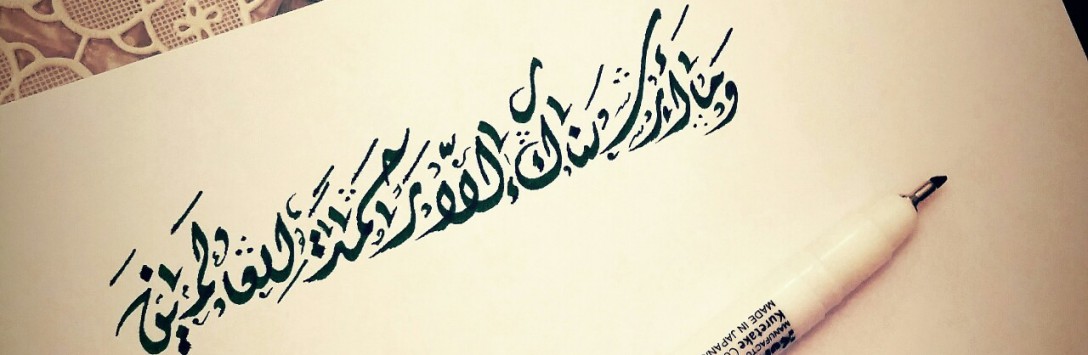
The Innumerous Blessings

‏        عن جابرِ بنِ عبد اللَّهِ رضي الله عنهما قال: ( خَرَجَ عَلَيْنَا النَّبِيُّ صَلّى اللهُ عليهِ وسلَّم، فَقَالَ: « خَرَجَ مِنْ عِنْدِي خَلِيلِي جِبْرِيلُ آنِفًا فَقَالَ: يَا محمَّد، وَالَّذِي بَعَثَكَ بِالْحَقِّ إِنَّ لِلَّهِ عَبْدًا مِنْ عَبِيدِهِ، عَبَدَ اللَّهَ تَعَالَى خَمْسَمِائَةِ سَنَةٍ عَلَى رَأْسِ جَبَلٍ فِي الْبَحْرِ عَرْضُهُ وَطُولُهُ ثَلَاثُونَ ذِرَاعًا فِي ثَلَاثِينَ ذِرَاعًا، وَالْبَحْرُ مُحِيطٌ بِهِ أَرْبَعَةَ آلَافِ فَرْسَخٍ مِنْ كُلِّ نَاحِيَةٍ، وَأَخْرَجَ اللَّهُ تَعَالَى لَهُ عَيْنًا عَذْبَةً بِعَرْضِ الْأُصْبَعِ تَبِضُّ بِمَاءٍ عَذْبٍ فَتَسْتَنْقِعُ فِي أَسْفَلِ الْجَبَلِ، وَشَجَرَةَ رُمَّانٍ تُخْرِجُ لَهُ كُلَّ لَيْلَةٍ رُمَّانَةً فَتُغَذِّيهِ يَوْمَهُ، فَإِذَا أَمْسَى نَزَلَ فَأَصَابَ مِنَ الْوَضُوءِ وَأَخَذَ تِلْكَ الرُّمَّانَةَ فَأَكَلَهَا ثُمَّ قَامَ لِصَلَاتِهِ، فَسَأَلَ رَبَّهُ عَزَّ وَجَلَّ عِنْدَ وَقْتِ الْأَجَلِ أَنْ يَقْبِضَهُ سَاجِدًا، وَأَنْ لَا يَجْعَلَ لِلْأَرْضِ وَلَا لِشَيْءٍ يُفْسِدُهُ عَلَيْهِ سَبِيلًا حَتَّى بَعَثَهُ وَهُوَ سَاجِدٌ، قَالَ: فَفَعَلَ، فَنَحْنُ نَمُرُّ عَلَيْهِ إِذَا هَبَطْنَا وَإِذَا عَرَجْنَا.

 فَنَجِدُ لَهُ فِي الْعِلْمِ أَنَّهُ يُبْعَثُ يَوْمَ الْقِيَامَةِ فَيُوقَفُ بَيْنَ يَدَيِ اللَّهِ عَزَّ وَجَلَّ فَيَقُولُ لَهُ الرَّبُّ: أَدْخِلُوا عَبْدِي الْجَنَّةَ بِرَحْمَتِي، فَيَقُولُ: رَبِّ بَلْ بِعَمَلِي، فَيَقُولُ الرَّبُّ: أَدْخِلُوا عَبْدِي الْجَنَّةَ بِرَحْمَتِي، فَيَقُولُ: يَا رَبِّ بَلْ بِعَمَلِي، فَيَقُولُ الرَّبُّ: أَدْخِلُوا عَبْدِي الْجَنَّةَ بِرَحْمَتِي، فَيَقُولُ: رَبِّ بَلْ بِعَمَلِي،  فَيَقُولُ اللَّهُ عَزَّ وَجَلَّ لِلْمَلَائِكَةِ: قَايِسُوا عَبْدِي بِنِعْمَتِي عَلَيْهِ وَبِعَمَلِهِ.  فَتُوجَدُ نِعْمَةُ الْبَصَرِ قَدْ أَحَاطَتْ بِعِبَادَةِ خَمْسِ مِائَةِ سَنَةٍ وَبَقِيَتْ نِعْمَةُ الْجَسَدِ فَضْلًا عَلَيْهِ، فَيَقُولُ: أَدْخِلُوا عَبْدِي النَّارَ.

  قَالَ فَيُجَرُّ إِلَى النَّارِ فَيُنَادِي: رَبِّ بِرَحْمَتِكَ أَدْخِلْنِي الْجَنَّةَ، فَيَقُولُ: رُدُّوهُ فَيُوقَفُ بَيْنَ يَدَيْهِ، فَيَقُولُ: يَا عَبْدِي، مَنْ خَلَقَكَ وَلَمْ تَكُ شَيْئًا؟  فَيَقُولُ: أَنْتَ يَا رَبِّ،  فَيَقُولُ: كَانَ ذَلِكَ مِنْ قِبَلِكَ أَوْ بِرَحْمَتِي؟  فَيَقُولُ: بَلْ بِرَحْمَتِكَ.  فَيَقُولُ: مَنْ قَوَّاكَ لِعِبَادَةِ خَمْسِ مِائَةِ عَامٍ؟  فَيَقُولُ: أَنْتَ يَا رَبِّ،  فَيَقُولُ: مَنْ أَنْزَلَكَ فِي جَبَلٍ وَسَطَ اللُّجَّةِ وَأَخْرَجَ لَكَ الْمَاءَ الْعَذْبَ مِنَ الْمَاءِ الْمَالِحِ وَأَخْرَجَ لَكَ كُلَّ لَيْلَةٍ رُمَّانَةً وَإِنَّمَا تَخْرُجُ مَرَّةً فِي السَّنَةِ، وَسَأَلْتَنِي أَنْ أَقْبِضَكَ سَاجِدًا فَفَعَلْتُ ذَلِكَ بِكَ؟  فَيَقُولُ: أَنْتَ يَا رَبِّ،  فَقَالَ اللَّهُ عَزَّ وَجَلَّ: فَذَلِكَ بِرَحْمَتِي وَبِرَحْمَتِي أُدْخِلُكَ الْجَنَّةَ، أَدْخِلُوا عَبْدِيَ الْجَنَّةَ فَنِعْمَ الْعَبْدُ كُنْتَ يَا عَبْدِي، فَيُدْخِلُهُ اللَّهُ الْجَنَّةَ. قَالَ جِبْرِيلُ عَلَيْهِ السَّلَامُ: إِنَّمَا الْأَشْيَاءُ بِرَحْمَةِ اللَّهِ تَعَالَى يَا محمَّد» .  رواه الحاكم.

— 

         Narrated Jabir Ibn Abdil-Allah -may God be pleased with them- said: “Prophet Muhammad -prayer and peace be upon him- came out to us and said:

‘My close companion Angel Gabriel just left me and he had said: `O Muhammad, by the One Who sent you with the true message, there is a slave of God, who worshipped the Almighty God for 500 years.  The slave was granted a shelter on top of a mountain whose length and width were thirty by thirty arm-lengths, and which was surrounded by the sea for four thousand leagues from all sides.  The Almighty God made a stream of fresh water with the width of a finger to flow through the mountain and collect at the mountain base for him.  The Almighty God also raised for him a pomegranate tree that grew one pomegranate every night from which the man would eat during the day.  Every evening, the man would go down, make ablution, and eat from that pomegranate, then stand up in prayer to his Lord.

The man supplicated his Lord -the Almighty- to take his soul while in prostration, and guard him against the earth and everything else until he would be resurrected in that state.

Angel Gabriel said: the Almighty God answered his supplication and granted his prayer.  So whenever we come down to the Earth or go up to the sky, we find this man (dead) but in a perpetual state of prostration to God.

          We find in the future knowledge that on the Day of Judgment, the Almighty God would say to the the angels: ‘Take this slave of Mine to Paradise with My Mercy.’   But the man would say: ‘O Lord, reward me with my good deeds.’  The Lord would say: ‘Take My Slave to Paradise with My Mercy.’  But the man would say: ‘O Lord, reward me with my good deeds.’  The Lord would say: ‘Take My Slave to Paradise with My Mercy.’   But the man would say: ‘O Lord, reward me with my good deeds.’

So the Almighty God would instruct the angels: ‘Measure his good deeds in comparison to My blessings on him.’  It would be found that 500 years of his worship would not even equal the blessings of the eyesight, and the bounty of the rest of his body would still remain in excess.

So God would say to the angels: ‘Take My slave to Hell-Fire.’  The man would be dragged toward Hell-Fire but he would plead: ‘O Lord, let me enter Paradise with Your Mercy.’   God would say: ‘Bring him back.’

The Almighty God would then say to him: ‘O My slave, Who created you from non-existence?’  The man would reply: ‘You have created me, O My Lord.’  God would say: ‘That was because of you or because of My Mercy?’  The man would reply: ‘Rather because of Your Mercy.’  God would say: ‘Who granted you the ability to worship for 500 years?’  The man would reply: ‘You, O My Lord.’  God would say: ‘Who placed you on the mountain surrounded by the ocean? Who created a stream of fresh water to flow in between the salty water? Who made a pomegranate to grow every night for you while it grows once a year?  And you supplicated Me to take your soul in a state of prostration, who did that?’  The man would reply: ‘‘You, O My Lord.’

The Almighty God would say: ‘Indeed, all of that happened with My Mercy, and with My Mercy you will enter Paradise.  Take My slave to Paradise.  Indeed, a righteous and good servant you were, O My slave.’  So God would let him enter Paradise.  Angel Gabriel -peace be upon him- said: O Muhammad, everything is by the Mercy of the Almighty God.` ’ ”  Related by Al-Haakim.


———————–


Indeed, humans have been granted blessings in everything: in health, in wealth, in progeny, in food, in dwelling, and in everything.  Yet, man being ungrateful often dwells on the few problems he has and forgets the many blessings he enjoys. 

God says in Qur’an: { And God has given you of all that you asked for, and if you try to count the blessings of God, never will you be able to count them. Verily, man is indeed most unjust, ungrateful} (Surah 14, verse 34).  Man is unjust when he uses the blessings of God in a bad way or to do sins, and he is ungrateful when he does not thank God for the many blessings but only remembers the few problems he may have.

          The Muslim should thank God for every single blessing he has and should never take it for granted.  And in case a problem or a calamity strikes him, then instead of focusing on this one single problem the Muslim should think of the many other blessings that God has granted him and should thank God for them.

In another verse, God says: { And (remember) when your Lord proclaimed: “If you thank Me, I will give you more; but if you are thankless, verily, My punishment is indeed severe”} (Surah 14, verse 7).  Thus, God promises increase and prosperity for those who thank Him and loss and punishment for those who are ungrateful.

          The Mercy of God is limitless and has no bound, but the Muslim is asked to take some effort and try to get the most of that mercy by obeying God’s commands, avoiding sins, and showing thankfulness and gratitude to God.  Indeed, the Muslim should thank God for every single blessing he has and never take it for granted, rather should know that these blessings are only possible because of the favor of God and His Great Mercy.  And God and His Messenger know best.

============================

Trials and Tribulations

(keywords: Patience, Gratefulness, Ingratitude and Complaining) 

     قال الله تعالى: { أَمْ حَسِبْتُمْ أَن تَدْخُلُواْ الْجَنَّةَ وَلَمَّا يَأْتِكُم مَّثَلُ الَّذِينَ خَلَوْاْ مِن قَبْلِكُم مَّسَّتْهُمُ الْبَأْسَآءُ وَالضَّرَّآءُ وَزُلْزِلُواْ حَتَّى يَقُولَ الرَّسُولُ وَالَّذِينَ ءَامَنُواْ مَعَهُ مَتَى نَصْرُ اللَّهِ أَلاَ إِنَّ نَصْرَ اللَّهِ قَرِيبٌ} سورة البقرة 214.

      God -the Exalted- says: { Do you think that you will enter Paradise without such (trials) as came to those who passed away before you. They were afflicted with severe poverty and ailments and were so shaken that even the Messenger and those who believed along with him said, ‘When will the help of God come’.  Yes! Certainly, the help of God is near (to come)} (Surah 2, verse 214).

    عن أبي يَحْيَى صُهَيْبِ بْنِ سِنَانٍ رضي الله عنه قال: قال رسولُ الله صَلّى اللهُ عليهِ وسلَّم: « عَجَباً لأمْرِ المُؤْمِنِ إِنَّ أَمْرَهُ كُلَّهُ لَهُ خَيْرٌ، وَلَيْسَ ذَلِكَ لأِحَدٍ إِلاَّ لِلْمُؤْمِن: إِنْ أَصَابَتْهُ سَرَّاءُ شَكَرَ فَكَانَ خَيْراً لَهُ، وَإِنْ أَصَابَتْهُ ضَرَّاءُ صَبَرَ فَكَانَ خيْراً لَهُ» .  رواه مسلم .

   Narrated Abu Yahya, Suheib Ibn Sinan -may God be pleased with him- that the Messenger of God -prayer and peace be upon him- said:

How wonderful is the case of a believer for there is good in every affair of his, and this is not the case with anyone else except for the believer.  When a good thing happens to him, he thanks God and that is good for him; and when a trouble befalls him, he endures it patiently and that is better for him.”  Related by Imam Muslim.


God the Almighty created the humans and jinns to worship Him and obey His commands.  God -the Exalted- says in Qur’an:

{And I (God) did not create the jinns and humans except to worship Me (Alone)} (surah 51, verse 56).

Then those who obey God will have the reward of Paradise, and those who disobey God and reject His commands will have the punishment of Hell-Fire.  Therefore, this life is a test for humans and jinns; whether they believe or disbelieve, whether they obey or disobey the commands of God, and whether they show thanks and gratitude or impatience and ingratitude.


      This life is a test for people to see who among them believes and disbelieves, who obeys God’s commands and who disobeys, who refrains from sins and who commits sins and misdeeds.  The Son of Adam will then see the results of his actions on the Day of Judgment. 

But to distinguish between people and their categories, people will face and go through certain tests.  These tests could be problems or troubles in their health, wealth, relatives, income, food and drink, belief system, and the like. 


Thus, the test of the worldly life includes having problems, trials and tribulation that the son of Adam must go through in order to distinguish between the true believers and the hypocrites and disbelievers.  As the above verse mentions, in order to get the greatest Reward of Paradise the believer must pass a test.  Everyone must pass through this test, both past generation and present, both righteous and sinners, and both old and young.  These tests come in the form of problems, trials and tribulations.  The test may afflict the person in his health, wealth, family, life, or worse of all in his religion.

When the test afflicts the son of Adam, his reaction and responses are recorded.  Then the recompense is tended based on that.  For the believer who stands firm in the face of these calamities, bears them patiently, returns to God and seeks His help, the result is great reward and the promise of peace of heart and contentment in this life and Paradise in the Hereafter.  But for that who complains and shows impatience and ingratitude, the recompense is more misery in this life and punishment in the Hereafter.


        Many times we forget the real purpose of the worldly life and as soon as a problem befalls us, we tend to complain and show signs of impatience and ingratitude.  Some people go further and ask: Why this happened to me?  When a natural disaster strikes, some wonder: why us?

But how soon the son of Adam forgets his own actions and ignore the consequences of his bad deeds until it is too late.  God -the Exalted- states in Qur’an: {And whatever befalls you of disaster, it is because of what your hands have earned. And He pardons much} (Surah 42, verse 30). 

Ali Ibn Abi Talib said: “Hardships befall you in the world because of your sins.” 

    Instead of complaining and showing ingratitude, the believer must:

First, repent of all sins and ask God’s forgiveness. 

Second, the believer must remind himself of the real purpose of this life.  The believer must ponder upon the reason behind the trials and tribulations of this world, and that is to test his faith, his patience, and his firmness in religion.  These problems and troubles are a test for the believer, whether he stands firm and bear the problem patiently seeking God’s help, or does he waver and starts having doubts and worse deny the bounty of God. 

And third, the believer must surrender to God’s will and accept Pre-destiny, believing that God has judged it this way and the don of Adam must accept it, while in the meantime try his best to find a solution.


     The believer must remember that previous nations went through the same trials and tribulations and now they are being tended the reward or punishment of their actions (in their graves).  One day we will be considered a past generation and we too will see the results of our actions in the Hereafter after death.   

And just like when previous nations indulged in sins, they saw the effects of that in their worldly life, so will we unless we repent and avoid those sins.  Prophet Muhammad -prayer and peace be upon him- warned of such sins:

عَنْ عَبْدِ اللَّهِ بْنِ عُمَرَ، قَالَ أَقْبَلَ عَلَيْنَا رَسُولُ اللَّهِ ـ صلى الله عليه وسلم ـ فَقَالَ ‏ “‏ يَا مَعْشَرَ الْمُهَاجِرِينَ خَمْسٌ إِذَا ابْتُلِيتُمْ بِهِنَّ وَأَعُوذُ بِاللَّهِ أَنْ تُدْرِكُوهُنَّ لَمْ تَظْهَرِ الْفَاحِشَةُ فِي قَوْمٍ قَطُّ حَتَّى يُعْلِنُوا بِهَا إِلاَّ فَشَا فِيهِمُ الطَّاعُونُ وَالأَوْجَاعُ الَّتِي لَمْ تَكُنْ مَضَتْ فِي أَسْلاَفِهِمُ الَّذِينَ مَضَوْا ‏.‏ وَلَمْ يَنْقُصُوا الْمِكْيَالَ وَالْمِيزَانَ إِلاَّ أُخِذُوا بِالسِّنِينَ وَشِدَّةِ الْمَؤُنَةِ وَجَوْرِ السُّلْطَانِ عَلَيْهِمْ ‏.‏ وَلَمْ يَمْنَعُوا زَكَاةَ أَمْوَالِهِمْ إِلاَّ مُنِعُوا الْقَطْرَ مِنَ السَّمَاءِ وَلَوْلاَ الْبَهَائِمُ لَمْ يُمْطَرُوا وَلَمْ يَنْقُضُوا عَهْدَ اللَّهِ وَعَهْدَ رَسُولِهِ إِلاَّ سَلَّطَ اللَّهُ عَلَيْهِمْ عَدُوًّا مِنْ غَيْرِهِمْ فَأَخَذُوا بَعْضَ مَا فِي أَيْدِيهِمْ ‏.‏ وَمَا لَمْ تَحْكُمْ أَئِمَّتُهُمْ بِكِتَابِ اللَّهِ وَيَتَخَيَّرُوا مِمَّا أَنْزَلَ اللَّهُ إِلاَّ جَعَلَ اللَّهُ بَأْسَهُمْ بَيْنَهُمْ. ‏”‏ رواه ابن ماجه والحاكم والبيهقي، بإسناد حسن.

   It was narrated that Abdul-Allah Ibn Omar said: “The Messenger of God -prayer and peace be upon him- turned to us and said: ‘O group of the Muhajireen (the migrants), beware of being afflicted with five characteristics, and I seek refuge in God of them befalling you:

  1. Adultery  never appears among a group of people to such an extent that they commit it openly, but plagues and diseases that were never known among their predecessors will spread among them.
  2. They do not cheat in weights and measures, but they will be stricken with famine, hardship in provision, and the oppression of their rulers.
  3. They do not withhold the Zakah (charity) of their wealth, but rain will be withheld from the sky, and were it not for the animals, no rain would fall on them.
  4.  They do not break their covenant with God and His Messenger, but God will enable their enemies to overpower them and take some of what is in their hands.
  5. And unless their leaders rule according to the Book of God and seek all good from that which God has revealed, God will cause them to fight one another.’”  Related by Ibn Majah, Al-Hakim, and Al-Beihaqi.

—-

     Then, the sensible person should reflect upon his action when afflicted with a problem or a calamity. 

The believer should remind himself of the real purpose of this life and the test he must pass through to attain Paradise.  The Muslim should always think of trials and tribulations as something that will absolve him of his sins and increase his reward.

Therefore instead of complaining and showing ingratitude, he should bear the problem patiently, turn to God and seek His help, and then surrender to Pre-destiny and accept God’s Judgment while trying his best to find a way out of his trouble.  We ask God to guide us to the Right Path, and make us die on Faith.  And God knows best.


————————————————-

Women’s Rights in Islam


A general misconception today is that women do not hold the same status as men in Islam. Some people may perceive women as being suppressed in Muslim families and as members whose voices are not heard. But far from that, Islam has in fact recognized women’s rights at its inception fourteen centuries ago.  Islam recognized women as the other half of men and men as the other half of women, and gives women respect and regard as mothers, wives, sisters, and daughters. At a time when the male heir used to get the whole inheritance, Islam recognized the female’s due share, and moreover allotted her full possession of her wealth to spend as she pleases. Furthermore, Islam recognized women as important partners in the Muslim community and urged taking care of their needs and allowing them to participate in the community’s public life.

The best way to understand and present the real status of women in Islam is to consider the way the Prophet of Islam, Muhammad ﷺ, treated women, as well as his advice to his companions regarding women.

Prophet Muhammad ﷺ gave a concise and eloquent statement regarding the treatment of women in Islam.  These words act as a main tenet of Islam:

   عن أبي هُرَيْرَةَ رضي الله عنه قال: قالَ رسولُ الله صَلّى اللهُ عليهِ وسلَّم: « أَكْمَلُ المُؤْمنينَ إِيمَاناً أَحْسنُهُمْ خُلُقاً، وَخِيارُكُمْ خيارُكُم لأهلِهِ» .  رواه أبو داود والترمذي وابن حبان، والبيهقي إلا أنه قال: « وَخِيارُكُمْ خيارُكُم لِنِسَائِهِم» .

Narrated Abu Hurairah, may God be pleased with him, that the Messenger of God ﷺ said: “The most perfect of the believers in faith are the best among them in moral character.  And the best among you are those who treat their family the best.”  Related by Abu Dawud, Al-Tirmidhi, and Al-Bayhaqi.

Al-Bayhaqi said: “And the best among you are the best to their wives.”.

Not only did the Prophet ﷺ say these words, but he also exemplified them in action. Indeed, Prophet Muhammad ﷺ was the best of people in good treatment to his family.  If we consider his treatment of his wife A’isha, we notice this kind and respectful treatment. A’isha herself admitted to his superb treatment of her. And who is a better judge than a wife to attest to the kind of treatment she receives from her husband.

عن عائشة رضي الله عنها،‏ ‏قالت: ( قال رسولُ الله ‏ ‏صَلّى اللهُ عليهِ وسلَّم: « ‏إِنِّي لَأَعْرِفُ غَضَبَكِ وَرِضَاكِ»، قَالَتْ: قُلْتُ وَكَيْفَ تَعْرِفُ ذَاكَ يَا رَسُولَ اللَّهِ؟ قَالَ: « إِنَّكِ إِذَا كُنْتِ رَاضِيَةً قُلْتِ: بَلَى وَرَبِّ ‏ ‏محمَّد،‏ ‏وَإِذَا كُنْتِ سَاخِطَةً قُلْتِ: لَا وَرَبِّ ‏إِبْرَاهِيمَ»،‏ ‏قَالَتْ قُلْتُ: أَجَلْ، لَسْتُ أُهَاجِرُ إِلَّا اسْمَكَ) . رواه البخاري ومسلم.

Narrated A’isha , may God be pleased with her: “The Messenger of God ﷺ said to me: ‘I know your anger from your pleasure.’  I asked: ‘And how do you know that, O Messenger of God?’  He replied: ‘When you are pleased you say: ‘No, by the Lord of Muhammad,’ but when you are angry, you say: ‘No, by the Lord of Ibrahim.’  I said: ‘You said the truth, I only leave out your name.’ ”  Related by Al-Bukhari and Muslim.

We find here the gentleness and kindness the Prophet ﷺ maintained in his treatment with A’isha.  The Prophet ﷺ did not express anger or displeasure when A’isha left out his name; instead, he good-naturedly informed her of his awareness of her behavior. Upon such gentleness, she professed her deep regard of him while at the same time admitting the truthfulness of his statement.

We can clearly see the same high manners of the Prophet ﷺ with his wives in many other occasions.  Many of these occasions had been described by A’isha herself as a lesson for the nation and as an example for other men. Indeed, the Prophet used to go out of his way to accommodate his wives and make them happy within his means, as shown in the following hadith, also narrated by A’isha:


وعن عُرْوَةَ بْنِ الزُّبَيْرِ، قال: ( قَالَتْ عَائِشَةُ: وَاللَّهِ لَقَدْ رَأَيْتُ رَسُولَ اللَّهِ صَلَّى اللَّهُ عَلَيْهِ وَسَلَّمَ يَقُومُ عَلَى بَابِ حُجْرَتِي، وَالْحَبَشَةُ يَلْعَبُونَ بِحِرَابِهِمْ فِي مَسْجِدِ رَسُولِ اللَّهِ صَلَّى اللَّهُ عَلَيْهِ وَسَلَّمَ، يَسْتُرُنِي بِرِدَائِهِ لِكَيْ أَنْظُرَ إِلَى لَعِبِهِمْ، ثُمَّ يَقُومُ مِنْ أَجْلِي حَتَّى أَكُونَ أَنَا الَّتِي أَنْصَرِفُ، فَاقْدِرُوا قَدْرَ الْجَارِيَةِ الْحَدِيثَةِ السِّنِّ حَرِيصَةً عَلَى اللَّهْوِ).  رواه البخاري ومسلم. ـ

Narrated ‘Urwa Ibn Az-Zubayr: “A’isha said: ‘By God, I have witnessed the Messenger of God ﷺ standing at the door of my apartment screening me with his mantle to allow me to see the sport of the Abyssinians as they played with their spears in the mosque of the Messenger of God. He would keep standing for my sake until I had enough and I was ready to leave.  Thus you should consider how long a girl of tender age who is fond of sports (could have watched it, while the Prophet ﷺ waited patiently for me).’ ”  Related by Al-Bukhari and Muslim.

Again we find here the utmost degree of affection and kindness that the Prophet ﷺ showed to his wife.  He would wait for her to watch the people play until she was the one to say she had enough.  One may ask: Were her rights violated and was she kept a prisoner in her home, or did she enjoy her rights as much as any free women would? Indeed, A’isha not only related the way of the Prophet ﷺ, but also the etiquette of Islam regarding women.

Islam urges on the highest code of morals and manners, and chief among them is the kind treatment of one’s family and wife.  Therefore, the Prophet ﷺ mentioned in the hadith above that the highest of people in faith are the best among them in morals and manners, and the highest among people in regard and reward are the best among them in manners and good treatment of their wives.

But at the same time, Islam also urges women to take seriously their responsibilities and try to be effective members of the community.  Islam commands women to follow the orders of God and His Messenger ﷺ and also to show respect to the husband, as summarized in the following hadith:


عَنْ ‏عَبْدِ الرَّحْمَنِ بْنِ عَوْفٍ رضي الله عنه‏ ‏قَالَ: قَالَ رَسُولُ اللَّهِ ‏ ‏صَلّى اللهُ عليهِ وسلَّم: « إِذا صَلَّتْ الْمَرْأَةُ خَمْسَهَا، وَصَامَتْ شَهْرَهَا، وَحَفِظَتْ فَرْجَهَا، وَأَطَاعَتْ زَوْجَهَا، قِيلَ لَهَا: ادْخُلِي الجَنَّةَ مِنْ أَيِّ أَبْوَابِ الجَنَّةِ شِئْتِ» .  رواه أحمد. ـ 

Narrated Abdul-Rahman Ibn ‘Awf, may God be pleased with him, that that the Messenger of God said:  “If the woman prayed her five daily prayers, fasted her month (of Ramadan), guarded her private parts, and obeyed her husband, it would be said to her: Enter Paradise from whichever door of Paradise you wish.”  Related by Imam Ahmad.

Thus, we see that, contrary to what some may claim, Islam recognizes the rights of women and puts great emphasis on their kind treatment.  This is not to deny any abuse or mistreatment of women that may be committed by few Muslim men; instead, the point is that the religion’s teachings have always maintained a consistent, principled stance in support of the honor, dignity, and happiness of women. Islam recognizes them as members of the community and as important partners and essential members of the Muslim family.  The Muslim family in turn is seen as one unit where both husband and wife strive to be kind to each other and recognize each other’s rights in order to bring about a happy family blessed with the obedience of God and His Messenger ﷺ, as well with goodness in this life and the next.