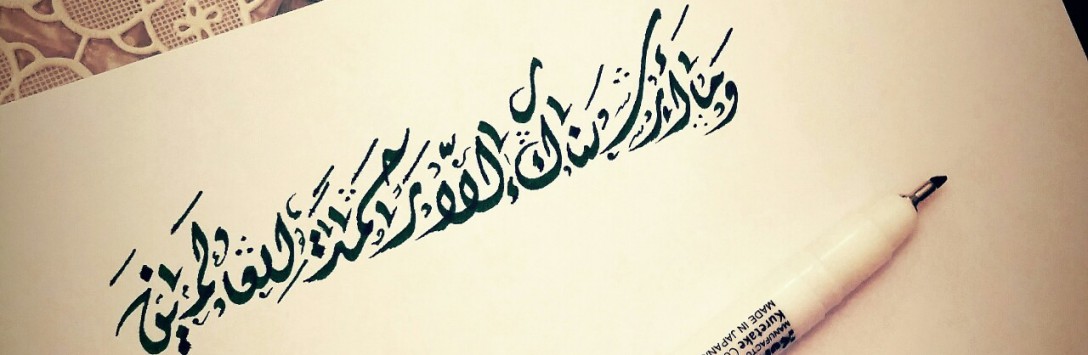
The Innumerous Blessings

‏        عن جابرِ بنِ عبد اللَّهِ رضي الله عنهما قال: ( خَرَجَ عَلَيْنَا النَّبِيُّ صَلّى اللهُ عليهِ وسلَّم، فَقَالَ: « خَرَجَ مِنْ عِنْدِي خَلِيلِي جِبْرِيلُ آنِفًا فَقَالَ: يَا محمَّد، وَالَّذِي بَعَثَكَ بِالْحَقِّ إِنَّ لِلَّهِ عَبْدًا مِنْ عَبِيدِهِ، عَبَدَ اللَّهَ تَعَالَى خَمْسَمِائَةِ سَنَةٍ عَلَى رَأْسِ جَبَلٍ فِي الْبَحْرِ عَرْضُهُ وَطُولُهُ ثَلَاثُونَ ذِرَاعًا فِي ثَلَاثِينَ ذِرَاعًا، وَالْبَحْرُ مُحِيطٌ بِهِ أَرْبَعَةَ آلَافِ فَرْسَخٍ مِنْ كُلِّ نَاحِيَةٍ، وَأَخْرَجَ اللَّهُ تَعَالَى لَهُ عَيْنًا عَذْبَةً بِعَرْضِ الْأُصْبَعِ تَبِضُّ بِمَاءٍ عَذْبٍ فَتَسْتَنْقِعُ فِي أَسْفَلِ الْجَبَلِ، وَشَجَرَةَ رُمَّانٍ تُخْرِجُ لَهُ كُلَّ لَيْلَةٍ رُمَّانَةً فَتُغَذِّيهِ يَوْمَهُ، فَإِذَا أَمْسَى نَزَلَ فَأَصَابَ مِنَ الْوَضُوءِ وَأَخَذَ تِلْكَ الرُّمَّانَةَ فَأَكَلَهَا ثُمَّ قَامَ لِصَلَاتِهِ، فَسَأَلَ رَبَّهُ عَزَّ وَجَلَّ عِنْدَ وَقْتِ الْأَجَلِ أَنْ يَقْبِضَهُ سَاجِدًا، وَأَنْ لَا يَجْعَلَ لِلْأَرْضِ وَلَا لِشَيْءٍ يُفْسِدُهُ عَلَيْهِ سَبِيلًا حَتَّى بَعَثَهُ وَهُوَ سَاجِدٌ، قَالَ: فَفَعَلَ، فَنَحْنُ نَمُرُّ عَلَيْهِ إِذَا هَبَطْنَا وَإِذَا عَرَجْنَا.

 فَنَجِدُ لَهُ فِي الْعِلْمِ أَنَّهُ يُبْعَثُ يَوْمَ الْقِيَامَةِ فَيُوقَفُ بَيْنَ يَدَيِ اللَّهِ عَزَّ وَجَلَّ فَيَقُولُ لَهُ الرَّبُّ: أَدْخِلُوا عَبْدِي الْجَنَّةَ بِرَحْمَتِي، فَيَقُولُ: رَبِّ بَلْ بِعَمَلِي، فَيَقُولُ الرَّبُّ: أَدْخِلُوا عَبْدِي الْجَنَّةَ بِرَحْمَتِي، فَيَقُولُ: يَا رَبِّ بَلْ بِعَمَلِي، فَيَقُولُ الرَّبُّ: أَدْخِلُوا عَبْدِي الْجَنَّةَ بِرَحْمَتِي، فَيَقُولُ: رَبِّ بَلْ بِعَمَلِي،  فَيَقُولُ اللَّهُ عَزَّ وَجَلَّ لِلْمَلَائِكَةِ: قَايِسُوا عَبْدِي بِنِعْمَتِي عَلَيْهِ وَبِعَمَلِهِ.  فَتُوجَدُ نِعْمَةُ الْبَصَرِ قَدْ أَحَاطَتْ بِعِبَادَةِ خَمْسِ مِائَةِ سَنَةٍ وَبَقِيَتْ نِعْمَةُ الْجَسَدِ فَضْلًا عَلَيْهِ، فَيَقُولُ: أَدْخِلُوا عَبْدِي النَّارَ.

  قَالَ فَيُجَرُّ إِلَى النَّارِ فَيُنَادِي: رَبِّ بِرَحْمَتِكَ أَدْخِلْنِي الْجَنَّةَ، فَيَقُولُ: رُدُّوهُ فَيُوقَفُ بَيْنَ يَدَيْهِ، فَيَقُولُ: يَا عَبْدِي، مَنْ خَلَقَكَ وَلَمْ تَكُ شَيْئًا؟  فَيَقُولُ: أَنْتَ يَا رَبِّ،  فَيَقُولُ: كَانَ ذَلِكَ مِنْ قِبَلِكَ أَوْ بِرَحْمَتِي؟  فَيَقُولُ: بَلْ بِرَحْمَتِكَ.  فَيَقُولُ: مَنْ قَوَّاكَ لِعِبَادَةِ خَمْسِ مِائَةِ عَامٍ؟  فَيَقُولُ: أَنْتَ يَا رَبِّ،  فَيَقُولُ: مَنْ أَنْزَلَكَ فِي جَبَلٍ وَسَطَ اللُّجَّةِ وَأَخْرَجَ لَكَ الْمَاءَ الْعَذْبَ مِنَ الْمَاءِ الْمَالِحِ وَأَخْرَجَ لَكَ كُلَّ لَيْلَةٍ رُمَّانَةً وَإِنَّمَا تَخْرُجُ مَرَّةً فِي السَّنَةِ، وَسَأَلْتَنِي أَنْ أَقْبِضَكَ سَاجِدًا فَفَعَلْتُ ذَلِكَ بِكَ؟  فَيَقُولُ: أَنْتَ يَا رَبِّ،  فَقَالَ اللَّهُ عَزَّ وَجَلَّ: فَذَلِكَ بِرَحْمَتِي وَبِرَحْمَتِي أُدْخِلُكَ الْجَنَّةَ، أَدْخِلُوا عَبْدِيَ الْجَنَّةَ فَنِعْمَ الْعَبْدُ كُنْتَ يَا عَبْدِي، فَيُدْخِلُهُ اللَّهُ الْجَنَّةَ. قَالَ جِبْرِيلُ عَلَيْهِ السَّلَامُ: إِنَّمَا الْأَشْيَاءُ بِرَحْمَةِ اللَّهِ تَعَالَى يَا محمَّد» .  رواه الحاكم.

— 

         Narrated Jabir Ibn Abdil-Allah -may God be pleased with them- said: “Prophet Muhammad -prayer and peace be upon him- came out to us and said:

‘My close companion Angel Gabriel just left me and he had said: `O Muhammad, by the One Who sent you with the true message, there is a slave of God, who worshipped the Almighty God for 500 years.  The slave was granted a shelter on top of a mountain whose length and width were thirty by thirty arm-lengths, and which was surrounded by the sea for four thousand leagues from all sides.  The Almighty God made a stream of fresh water with the width of a finger to flow through the mountain and collect at the mountain base for him.  The Almighty God also raised for him a pomegranate tree that grew one pomegranate every night from which the man would eat during the day.  Every evening, the man would go down, make ablution, and eat from that pomegranate, then stand up in prayer to his Lord.

The man supplicated his Lord -the Almighty- to take his soul while in prostration, and guard him against the earth and everything else until he would be resurrected in that state.

Angel Gabriel said: the Almighty God answered his supplication and granted his prayer.  So whenever we come down to the Earth or go up to the sky, we find this man (dead) but in a perpetual state of prostration to God.

          We find in the future knowledge that on the Day of Judgment, the Almighty God would say to the the angels: ‘Take this slave of Mine to Paradise with My Mercy.’   But the man would say: ‘O Lord, reward me with my good deeds.’  The Lord would say: ‘Take My Slave to Paradise with My Mercy.’  But the man would say: ‘O Lord, reward me with my good deeds.’  The Lord would say: ‘Take My Slave to Paradise with My Mercy.’   But the man would say: ‘O Lord, reward me with my good deeds.’

So the Almighty God would instruct the angels: ‘Measure his good deeds in comparison to My blessings on him.’  It would be found that 500 years of his worship would not even equal the blessings of the eyesight, and the bounty of the rest of his body would still remain in excess.

So God would say to the angels: ‘Take My slave to Hell-Fire.’  The man would be dragged toward Hell-Fire but he would plead: ‘O Lord, let me enter Paradise with Your Mercy.’   God would say: ‘Bring him back.’

The Almighty God would then say to him: ‘O My slave, Who created you from non-existence?’  The man would reply: ‘You have created me, O My Lord.’  God would say: ‘That was because of you or because of My Mercy?’  The man would reply: ‘Rather because of Your Mercy.’  God would say: ‘Who granted you the ability to worship for 500 years?’  The man would reply: ‘You, O My Lord.’  God would say: ‘Who placed you on the mountain surrounded by the ocean? Who created a stream of fresh water to flow in between the salty water? Who made a pomegranate to grow every night for you while it grows once a year?  And you supplicated Me to take your soul in a state of prostration, who did that?’  The man would reply: ‘‘You, O My Lord.’

The Almighty God would say: ‘Indeed, all of that happened with My Mercy, and with My Mercy you will enter Paradise.  Take My slave to Paradise.  Indeed, a righteous and good servant you were, O My slave.’  So God would let him enter Paradise.  Angel Gabriel -peace be upon him- said: O Muhammad, everything is by the Mercy of the Almighty God.` ’ ”  Related by Al-Haakim.


———————–


Indeed, humans have been granted blessings in everything: in health, in wealth, in progeny, in food, in dwelling, and in everything.  Yet, man being ungrateful often dwells on the few problems he has and forgets the many blessings he enjoys. 

God says in Qur’an: { And God has given you of all that you asked for, and if you try to count the blessings of God, never will you be able to count them. Verily, man is indeed most unjust, ungrateful} (Surah 14, verse 34).  Man is unjust when he uses the blessings of God in a bad way or to do sins, and he is ungrateful when he does not thank God for the many blessings but only remembers the few problems he may have.

          The Muslim should thank God for every single blessing he has and should never take it for granted.  And in case a problem or a calamity strikes him, then instead of focusing on this one single problem the Muslim should think of the many other blessings that God has granted him and should thank God for them.

In another verse, God says: { And (remember) when your Lord proclaimed: “If you thank Me, I will give you more; but if you are thankless, verily, My punishment is indeed severe”} (Surah 14, verse 7).  Thus, God promises increase and prosperity for those who thank Him and loss and punishment for those who are ungrateful.

          The Mercy of God is limitless and has no bound, but the Muslim is asked to take some effort and try to get the most of that mercy by obeying God’s commands, avoiding sins, and showing thankfulness and gratitude to God.  Indeed, the Muslim should thank God for every single blessing he has and never take it for granted, rather should know that these blessings are only possible because of the favor of God and His Great Mercy.  And God and His Messenger know best.

============================

A Mercy to Mankind

     قال الله تعالى: { وَمَا أَرْسَلْنَاكَ إِلَّا رَحْمَةً لِلْعَالَمِينَ} سورة الأنبياء، آية 107.

      Allah -the Exalted- says: { Verily, We have sent you (O Muhammad) but as a mercy for the worlds} (Surah 21, verse 107).

   عن عائشة رضي اللَّه عنها أَنها قالت للنبيِّ صَلّى اللهُ عليهِ وسلَّم: هل أَتى عَلَيْكَ يَوْمٌ كَانَ أَشدَّ مِنْ يوم أُحُدٍ؟ قال: « لَقَدْ لَقِيتُ مِنْ قَومِكِ، وكَان أَشدُّ ما لَقِيتُ مِنْهُمْ يوْم العقَبَةِ، إِذْ عرَضْتُ نَفسِي على ابْنِ عَبْدِ يَالِيلَ ابنِ عبْدِ كُلال، فلَمْ يُجبنِى إِلى ما أَردْتُ، فَانْطَلَقْتُ وَأَنَا مَهْمُومٌ على وَجْهِي، فلَمْ أَسْتَفِقْ إِلاَّ وَأَنا بقرنِ الثَّعالِبِ، فَرفَعْتُ رأْسِي فَإِذا أَنَا بِسحابَةٍ قَد أَظلَّتني، فنَظَرتُ فَإِذا فِيها جِبريلُ عليه السلام، فنَاداني فقال: إِنَّ اللَّه تعالى قَد سَمِع قَولَ قومِك لَكَ، وَما رَدُّوا عَلَيكَ، وَقد بعثَ إِلَيك ملَكَ الجبالِ لِتأْمُرهُ بما شِئْتَ فِيهم، فَنَادَانِي ملَكُ الجِبَالِ فَسلَّمَ عَليَّ ثُمَّ قال: يا محمَّد إِنَّ اللَّه قَد سمعَ قَولَ قَومِكَ لَكَ، وأَنَا مَلَكُ الجِبالِ، وقَدْ بَعَثَني رَبِّي إِلَيْكَ لِتأْمُرَني بِأَمْرِكَ، فَمَا شئتَ: إِنْ شئْتَ أَطْبَقْتُ عَلَيهمُ الأَخْشَبَيْن»، فقال النبي صَلّى اللهُ عليهِ وسلَّم: « بلْ أَرْجُو أَنْ يُخْرِجَ اللَّه مِنْ أَصْلابِهِم منْ يعْبُدُ اللَّه وَحْدَهُ لا يُشْرِكُ بِهِ شَيْئاً».  متفقٌ عليه .

          Narrated Aishah -may Allah be pleased with her- that she asked Prophet Muhammad -prayer and peace be upon him (English translation): “Have you encountered a day harder than the Day of Uhud?”

Prophet Muhammad -prayer and peace be upon him- replied: “I have experienced many hardships at the hand of your tribe [Qureish], but the greatest ordeal I experienced was on the day of ‘Aqaba when I presented myself to Ibn Abdi-Yalail Ibn Abdi-Kulal [in Al-Taif] and he did not respond to my invitation (to Islam).  So I departed, overwhelmed with distress, and proceeded on, and could not relax till I found myself at Qarn Al-Tha’alib where I lifted my head towards the sky and suddenly saw a cloud shading me.

I looked up and saw Angel Gabriel -peace be upon him- in it.  He called me and said: ‘The Almighty God has heard the speech of your people to you, and their reaction to your invitation.  So He has sent the Angel of the Mountains to you so that you may order him to do whatever you wish with these people.’

The Angel of the Mountains called and greeted me, and then said: ‘O Muhammad, God has heard the speech of your people to you.  I am the Angel of the Mountain, and my Lord has sent me to you to do as you command me.  Order whatever you wish; if you like I will let Al-Akh-Shabain (i.e. the two mountains surrounding Makkah) fall and crush them!’  The Prophet -prayer and peace be upon him- said: ‘I rather hope that Allah will produce from their descendants, people who will worship Allah alone and ascribe no partners with Him.’ ”  Related by Al-Bukhari and Muslim.

—-

The Almighty God describes Prophet Muhammad as a mercy to mankind, and in another verse as compassionate, kind, and merciful.  God is the Most Merciful, and all of His prophets and messengers were sent with this main message of mercy.  Indeed, Mercy is a divine characteristic that distinguishes the righteous and pious from the oppressors and the unjust.  Therefore, Prophet Muhammad -prayer and peace be him- instructed us:

    عن عبد الله بن عمرو بن العاص رضي الله عنهما أنَّ رسولَ الله صَلّى اللهُ عليهِ وسلَّم قال: « الرَّاحِمُونَ يَرْحَمُهُمُ الرَّحْمَنُ، ارْحَمُوا مَنْ فِي الْأَرْضِ يَرْحَمْكُمْ مَنْ فِي السَّمَاءِ» .  رواه أبو داود والترمذي.

     Narrated Abdul-Allah Ibn Amr Ibn ‘Aas -may Allah be pleased with them- that Prophet Muhammad -prayer and peace be upon him- said (English translation):

“The merciful ones will be shown mercy by the Most Merciful (God).  Be merciful to those on earth, the One in heaven will be merciful to you.”

Related by Abu Dawood and Al-Tirmidhi.

  If we study the biography of Prophet Muhammad (Seerah), we see many instances of his great mercy, kindness and compassion.  Not only did Prophet Muhammad show mercy to his followers but to all mankind, even to animals and plants.  The above story is a true story that was related by both Al-Bukhari and Muslim, something that testifies to its authenticity.

When the tribe of Qureish persecuted Prophet Muhammad and his companions in Makkah, the Prophet sought support and refuge in another tribe and town, namely the tribe of Thaqeef in Al-Ta’if.  But when the Prophet went there, not only did they refuse his invitation, they also asked their young and urchins to throw stones at his feet and drive him out.  When the Prophet reached the outskirts of the town, he passed by a farm owned by two chiefs of Qureish, Utbah and Sheibah sons of Rabee’ah.  When they saw the condition of their fellow tribesman, they sent some grapes with their Christian servant Addas.

Ibn Hisham related in “The Prophet’s Biography”: “Addas placed some grapes on a plate and presented it to Prophet Muhammad.  Prophet Muhammad -prayer and peace be upon him- said Bismil-llah (in the name of God) and then ate from it.  Addas was surprised by his speech, so asked: ‘By God, the people of this land do not utter these words.’ 

Prophet Muhammad asked him: ‘And which land do you come from? And what is your religion?’  Addas replied: ‘I am Christian, and I come from Neenwa (Nineveh).’  Prophet Muhammad said: ‘The town of the righteous man, Yoonus Ibn Matta (Jonah).’  Addas was astonished and asked: ‘And how do you know about Yoonus Ibn Matta (Jonah)?’  Prophet Muhammad replied: ‘We are brothers, Yoonus (Jonah) was a prophet and I am a prophet.’  Addas knew the true message of Prophet Muhammad and accepted Islam on the spot, and then knelt down to kiss the hands and feet of the Prophet.”  Seerah Ibn Hisham.

Prophet Muhammad then headed back to Makkah, with a heavy heart but full trust in God.  On the way, he invoked God, seeking His help and support.  And how soon does God respond to his supplication, for soon God sent him the Angel of the Mountains to order as he likes.  The Angel of the Mountains addressed Prophet Muhammad directly and let him choose the type of annihilation for his people.

          Here we see the true mercy of Prophet Muhammad, for here was the tribe of Qureish, who had called him bad names, had accused him falsely of different things, and had harmed him in every way possible.  And yet Prophet Muhammad showed great mercy not only to his followers but to his foes as well.  He said to the Angel of Mountains: Rather, I hope God will guide them, and if not then guide their children.

The Almighty God has praised Prophet Muhammad in Qur’an and stated that this mercy is a blessing of God on him, and had the Prophet been rude and churlish then people would have turned away from him.  But due to his great mercy, kindness and mercy, people admire Prophet Muhammad and follow his example in obedience to God and good morals.

      قال الله عز وجل: { فَبِمَا رَحْمَةٍ مِنَ اللَّهِ لِنْتَ لَهُمْ وَلَوْ كُنْتَ فَظًّا غَلِيظَ الْقَلْبِ لَانْفَضُّوا مِنْ حَوْلِكَ} آل عمران 159.

    God the Almighty says (English translation): {And by the mercy of God, you (O Muhammad) dealt with them gently. And had you been severe and harsh-hearted, they would have broken away from about you} (Surah 3, verse 159).

          In response to this true and loving feelings, the invocation of Prophet Muhammad was again granted, and many of his sworn enemies became his staunch followers and allies.  Not only that, but once they came to know Prophet Muhammad’s high moral character and his true message, they declared their deepest love for him.

Omar Ibn Al-Khattab took his sword to kill him, but had a chance to listen to Qur’an.  Upon hearing it, Omar was overwhelmed by its deep meaning and embraced Islam.  Then Omar became one of the Prophet’s strongest supporters and defenders.

Abu Sufyan, the Supreme Chief of Qureish, who fought Prophet Muhammad at every opportunity, finally embraced Islam and declared his greatest love for Prophet Muhammad.

Abu Jahl, an enemy of the Muslims, died as a disbeliever.  But his son Ikrimah Ibn Abi Jahl who fought with his father, finally embraced Islam and became a great defender of Islam and the Muslims.

Hind Bint Utbah, whose father, uncle and brother were killed as disbelievers during the battle of Badr, hated the Muslims and fought them along with her husband Abu Sufyan with all her might.  She also participated in the mutilation of the Prophet’s uncle Hamza.  But after the Conquest of Makkah, she embraced Islam.  After she came to know Prophet Muhammad and his true message, she went to Prophet Muhammad and said:

          عن عائشة رضي الله عنها، قَالَتْ: ( جَاءَتْ هِنْدٌ بِنْتُ عُتْبَةَ بْنِ رَبِيعَةَ فَقَالَتْ: يَا رَسُولَ اللَّهِ، وَاللَّهِ مَا كَانَ عَلَى ظَهْرِ الأَرْضِ خِبَاءٌ أَحَبَّ إِلَىَّ مِنْ أَنْ يَذِلُّوا مِنْ أَهْلِ خِبَائِكَ وَمَا أَصْبَحَ الْيَوْمَ عَلَى ظَهْرِ الأَرْضِ خِبَاءٌ أَحَبَّ إِلَىَّ مِنْ أَنْ يَعِزُّوا مِنْ أَهْلِ خِبَائِكَ). رواه البخاري ومسلم.

     Narrated Aishah -may Allah be pleased with her- said (English translation): “Hind Bint Utbah Ibn Rabee’ah, came to Prophet Muhammad -prayer and peace be upon him- and said:

O Messenger of God, I swear by God that there was no household upon the face of the earth that I wished to be disgraced and degraded more than your household.  But today there is no household on the face of the earth that I wish to be honored and revered more than your household.”  Related by Al-Bukhari and Muslim with authentic narration.

Then indeed we see how Prophet Muhammad was sent as a mercy to mankind, who was sent with true guidance and to show people the right path to God.  We see the great moral character and standards that Prophet Muhammad had and which he instructed his followers to have.  We see the great mercy he showed not only to his followers but to all mankind.  And finally, we see how when people really came to know Prophet Muhammad, they declared their utmost and deepest love for such a noble and blessed true prophet of God.

==================================

Trials and Tribulations

(keywords: Patience, Gratefulness, Ingratitude and Complaining) 

     قال الله تعالى: { أَمْ حَسِبْتُمْ أَن تَدْخُلُواْ الْجَنَّةَ وَلَمَّا يَأْتِكُم مَّثَلُ الَّذِينَ خَلَوْاْ مِن قَبْلِكُم مَّسَّتْهُمُ الْبَأْسَآءُ وَالضَّرَّآءُ وَزُلْزِلُواْ حَتَّى يَقُولَ الرَّسُولُ وَالَّذِينَ ءَامَنُواْ مَعَهُ مَتَى نَصْرُ اللَّهِ أَلاَ إِنَّ نَصْرَ اللَّهِ قَرِيبٌ} سورة البقرة 214.

      God -the Exalted- says: { Do you think that you will enter Paradise without such (trials) as came to those who passed away before you. They were afflicted with severe poverty and ailments and were so shaken that even the Messenger and those who believed along with him said, ‘When will the help of God come’.  Yes! Certainly, the help of God is near (to come)} (Surah 2, verse 214).

    عن أبي يَحْيَى صُهَيْبِ بْنِ سِنَانٍ رضي الله عنه قال: قال رسولُ الله صَلّى اللهُ عليهِ وسلَّم: « عَجَباً لأمْرِ المُؤْمِنِ إِنَّ أَمْرَهُ كُلَّهُ لَهُ خَيْرٌ، وَلَيْسَ ذَلِكَ لأِحَدٍ إِلاَّ لِلْمُؤْمِن: إِنْ أَصَابَتْهُ سَرَّاءُ شَكَرَ فَكَانَ خَيْراً لَهُ، وَإِنْ أَصَابَتْهُ ضَرَّاءُ صَبَرَ فَكَانَ خيْراً لَهُ» .  رواه مسلم .

   Narrated Abu Yahya, Suheib Ibn Sinan -may God be pleased with him- that the Messenger of God -prayer and peace be upon him- said:

How wonderful is the case of a believer for there is good in every affair of his, and this is not the case with anyone else except for the believer.  When a good thing happens to him, he thanks God and that is good for him; and when a trouble befalls him, he endures it patiently and that is better for him.”  Related by Imam Muslim.


God the Almighty created the humans and jinns to worship Him and obey His commands.  God -the Exalted- says in Qur’an:

{And I (God) did not create the jinns and humans except to worship Me (Alone)} (surah 51, verse 56).

Then those who obey God will have the reward of Paradise, and those who disobey God and reject His commands will have the punishment of Hell-Fire.  Therefore, this life is a test for humans and jinns; whether they believe or disbelieve, whether they obey or disobey the commands of God, and whether they show thanks and gratitude or impatience and ingratitude.


      This life is a test for people to see who among them believes and disbelieves, who obeys God’s commands and who disobeys, who refrains from sins and who commits sins and misdeeds.  The Son of Adam will then see the results of his actions on the Day of Judgment. 

But to distinguish between people and their categories, people will face and go through certain tests.  These tests could be problems or troubles in their health, wealth, relatives, income, food and drink, belief system, and the like. 


Thus, the test of the worldly life includes having problems, trials and tribulation that the son of Adam must go through in order to distinguish between the true believers and the hypocrites and disbelievers.  As the above verse mentions, in order to get the greatest Reward of Paradise the believer must pass a test.  Everyone must pass through this test, both past generation and present, both righteous and sinners, and both old and young.  These tests come in the form of problems, trials and tribulations.  The test may afflict the person in his health, wealth, family, life, or worse of all in his religion.

When the test afflicts the son of Adam, his reaction and responses are recorded.  Then the recompense is tended based on that.  For the believer who stands firm in the face of these calamities, bears them patiently, returns to God and seeks His help, the result is great reward and the promise of peace of heart and contentment in this life and Paradise in the Hereafter.  But for that who complains and shows impatience and ingratitude, the recompense is more misery in this life and punishment in the Hereafter.


        Many times we forget the real purpose of the worldly life and as soon as a problem befalls us, we tend to complain and show signs of impatience and ingratitude.  Some people go further and ask: Why this happened to me?  When a natural disaster strikes, some wonder: why us?

But how soon the son of Adam forgets his own actions and ignore the consequences of his bad deeds until it is too late.  God -the Exalted- states in Qur’an: {And whatever befalls you of disaster, it is because of what your hands have earned. And He pardons much} (Surah 42, verse 30). 

Ali Ibn Abi Talib said: “Hardships befall you in the world because of your sins.” 

    Instead of complaining and showing ingratitude, the believer must:

First, repent of all sins and ask God’s forgiveness. 

Second, the believer must remind himself of the real purpose of this life.  The believer must ponder upon the reason behind the trials and tribulations of this world, and that is to test his faith, his patience, and his firmness in religion.  These problems and troubles are a test for the believer, whether he stands firm and bear the problem patiently seeking God’s help, or does he waver and starts having doubts and worse deny the bounty of God. 

And third, the believer must surrender to God’s will and accept Pre-destiny, believing that God has judged it this way and the don of Adam must accept it, while in the meantime try his best to find a solution.


     The believer must remember that previous nations went through the same trials and tribulations and now they are being tended the reward or punishment of their actions (in their graves).  One day we will be considered a past generation and we too will see the results of our actions in the Hereafter after death.   

And just like when previous nations indulged in sins, they saw the effects of that in their worldly life, so will we unless we repent and avoid those sins.  Prophet Muhammad -prayer and peace be upon him- warned of such sins:

عَنْ عَبْدِ اللَّهِ بْنِ عُمَرَ، قَالَ أَقْبَلَ عَلَيْنَا رَسُولُ اللَّهِ ـ صلى الله عليه وسلم ـ فَقَالَ ‏ “‏ يَا مَعْشَرَ الْمُهَاجِرِينَ خَمْسٌ إِذَا ابْتُلِيتُمْ بِهِنَّ وَأَعُوذُ بِاللَّهِ أَنْ تُدْرِكُوهُنَّ لَمْ تَظْهَرِ الْفَاحِشَةُ فِي قَوْمٍ قَطُّ حَتَّى يُعْلِنُوا بِهَا إِلاَّ فَشَا فِيهِمُ الطَّاعُونُ وَالأَوْجَاعُ الَّتِي لَمْ تَكُنْ مَضَتْ فِي أَسْلاَفِهِمُ الَّذِينَ مَضَوْا ‏.‏ وَلَمْ يَنْقُصُوا الْمِكْيَالَ وَالْمِيزَانَ إِلاَّ أُخِذُوا بِالسِّنِينَ وَشِدَّةِ الْمَؤُنَةِ وَجَوْرِ السُّلْطَانِ عَلَيْهِمْ ‏.‏ وَلَمْ يَمْنَعُوا زَكَاةَ أَمْوَالِهِمْ إِلاَّ مُنِعُوا الْقَطْرَ مِنَ السَّمَاءِ وَلَوْلاَ الْبَهَائِمُ لَمْ يُمْطَرُوا وَلَمْ يَنْقُضُوا عَهْدَ اللَّهِ وَعَهْدَ رَسُولِهِ إِلاَّ سَلَّطَ اللَّهُ عَلَيْهِمْ عَدُوًّا مِنْ غَيْرِهِمْ فَأَخَذُوا بَعْضَ مَا فِي أَيْدِيهِمْ ‏.‏ وَمَا لَمْ تَحْكُمْ أَئِمَّتُهُمْ بِكِتَابِ اللَّهِ وَيَتَخَيَّرُوا مِمَّا أَنْزَلَ اللَّهُ إِلاَّ جَعَلَ اللَّهُ بَأْسَهُمْ بَيْنَهُمْ. ‏”‏ رواه ابن ماجه والحاكم والبيهقي، بإسناد حسن.

   It was narrated that Abdul-Allah Ibn Omar said: “The Messenger of God -prayer and peace be upon him- turned to us and said: ‘O group of the Muhajireen (the migrants), beware of being afflicted with five characteristics, and I seek refuge in God of them befalling you:

  1. Adultery  never appears among a group of people to such an extent that they commit it openly, but plagues and diseases that were never known among their predecessors will spread among them.
  2. They do not cheat in weights and measures, but they will be stricken with famine, hardship in provision, and the oppression of their rulers.
  3. They do not withhold the Zakah (charity) of their wealth, but rain will be withheld from the sky, and were it not for the animals, no rain would fall on them.
  4.  They do not break their covenant with God and His Messenger, but God will enable their enemies to overpower them and take some of what is in their hands.
  5. And unless their leaders rule according to the Book of God and seek all good from that which God has revealed, God will cause them to fight one another.’”  Related by Ibn Majah, Al-Hakim, and Al-Beihaqi.

—-

     Then, the sensible person should reflect upon his action when afflicted with a problem or a calamity. 

The believer should remind himself of the real purpose of this life and the test he must pass through to attain Paradise.  The Muslim should always think of trials and tribulations as something that will absolve him of his sins and increase his reward.

Therefore instead of complaining and showing ingratitude, he should bear the problem patiently, turn to God and seek His help, and then surrender to Pre-destiny and accept God’s Judgment while trying his best to find a way out of his trouble.  We ask God to guide us to the Right Path, and make us die on Faith.  And God knows best.


————————————————-

Actions and Consequences

قال الله عز وجل: { أَفَمَنْ كَانَ مُؤْمِنًا كَمَنْ كَانَ فَاسِقًا لَا يَسْتَوُونَ * أَمَّا الَّذِينَ آمَنُوا وَعَمِلُوا الصَّالِحَاتِ فَلَهُمْ جَنَّاتُ الْمَأْوَى نُزُلًا بِمَا كَانُوا يَعْمَلُونَ * وَأَمَّا الَّذِينَ فَسَقُوا فَمَأْوَاهُمُ النَّارُ كُلَّمَا أَرَادُوا أَنْ يَخْرُجُوا مِنْهَا أُعِيدُوا فِيهَا وَقِيلَ لَهُمْ ذُوقُوا عَذَابَ النَّارِ الَّذِي كُنْتُمْ بِهِ تُكَذِّبُونَ * وَلَنُذِيقَنَّهُمْ مِنَ الْعَذَابِ الْأَدْنَى دُونَ الْعَذَابِ الْأَكْبَرِ لَعَلَّهُمْ يَرْجِعُونَ  } سورة السجدة 18-21.

God the Exalted says: {Then is one who was a believer like one who was defiantly disobedient? They are not equal. As for those who believe and do righteous good deeds, for them are Gardens of Abode as an accommodation for what they used to do. But as for those who defiantly disobeyed, their abode will be Hell-Fire. Every time they wish to emerge from it, they will be returned to it, and it will be said to them: “Taste the torment of the Fire which you used to deny.” And verily, We will make them taste of the near (worldly) lighter torment prior to the greater torment, in order that they may return} (Surah 32, verses 18-21).

وعن عبد الله بن مسعود رضي الله عنه عن النبيِّ صَلّى اللهُ عليهِ وسلَّم قال: « إنَّ الشَّيْطَانَ قَدْ يَئِسَ أَنْ تُعْبَدُ الأَصْنَامُ فِي أَرْضِ العَرَبِ، ولكِنَّهُ سَيَرْضَى مِنْكُمْ بِدُونِ ذلِكَ، بِالمُحَقَّرَاتِ، وهِيَ المُوبِقَاتُ يَوْمَ القِيَامَةِ» الحديث.  رواه أبو يعلى والطبراني والبيهقي.

Narrated Abdullah Ibn Mas’ud, may Allah be pleased with him, that the Prophet ﷺ said: “Satan despaired of idols being worshipped in the Arabian Peninsula, but he will pleased with less than that from you: with the belittled sins (muhaqirat), and they are the destructive sins (mubiqat) on the Day of Judgment. ”  Related by Al-Tabarani, Abu-Ya’la and Al-Bayhaqi.

When we consider peace and order in worldly communities and societies, we find that order cannot be achieved except through laws and regulations.  Thus, a minor offense is prevented by imposing monetary fines on such transgressions, while more serious offenses receive greater sentences as a preventive measure. Those who commit these crimes are then handed prison sentences as a punishment for the offender and as a deterrent for others. Most often these offenses and transgressions entail harming oneself and/or others. These laws and regulations are implemented to protect the individual and the community as a whole. Those who try to harm themselves or other individuals in the community are punished. Those who disrupt the harmony of the community and try to bring disorder and violence to the community by breaking these rules and regulations are disciplined.  Thus, every member of the community has responsibilities and rights that must be observed, and when any member of the community violates these rights, there are consequences. Those who keep the law and order are lauded as good community members who are eligible to take leading roles, while those who violate these rules are considered disruptive members who must face the consequence of their actions so that they may then reform and act righteously.

The same analogy applies to religion.  God in His Most Wise and Divine Knowledge and Authority prescribed certain rules and regulations to be followed. Most of these regulations are in the form of sacred texts revealed to prophets and messengers; many of these center on worshiping God alone and obeying His commands. Just like laws and regulations are important to keep the community safe, religious rules and regulations are essential to keep humanity harmonious.

Among the rules that God revealed to all prophets are the Ten Commandments.  The Ten Commandments were revealed in the Torah, the Bible, and the Qur’an.

Narrated Ka’b Al-Ahbar: “The first thing that was revealed of the Torah are ten verses, and they are same ten verses mentioned in Surah Al-An’am (Qur’an): {Say (O Muhammad): “Come, I will recite what your Lord has prohibited to you:

  • Do not join anything in worship with Him;
  • Be good and dutiful to your parents;
  • Do not kill your children out of poverty – We provide sustenance for you and for them;
  • Do not come near to shameful deeds (adultery), whether committed openly or secretly;
  • Do not kill anyone whom Allah has forbidden (to be killed), except for a just cause: thus does He command you, that you may use wisdom.
  • And do not come near the orphan’s property, except to improve it, until he attains the age of full maturity;
  • Give full measure and full weight with justice – We do not burden any person but that which he can bear;
  • Whenever you speak (testify), speak justly even if a near relative is concerned;
  • And fulfill the Covenant of Allah: thus does He command you that you may remember} (Surah 6, verses 151-153).”

The Ten Commandments ensure justice and peace on earth, but when they are violated injustice and mischief spread through the land. And like the violation of worldly laws results in consequences, violation of the rules of God also results in consequences.

God the Exalted says:

{And verily, We will make them taste of the near (worldly) lighter torment prior to the greater torment, in order that they may return} (Surah 32, verse 21).

Ubayy Ibn Ka’b said: “The near worldly torment are problems and troubles in the worldly life.”  Therefore, when the commandments of God are violated, and His rules and regulations are broken, torment in this life is sent in the form of troubles and problems that strike the son of Adam and leave him in pain and agony.  And if the son of Adam continues as before and insists on violating the rules of God, then there is punishment after death in the grave and in Hell–we seek refuge in God from that.

Nowadays, there is a general trend of dissociating the consequences from their actions. Some people may violate more than one rule of God, and may be given a reprieve and a chance to repent at first. But when they insist on committing the sin, they may be punished for it and afflicted with a calamity. Instead of reflecting on their previous actions, they wonder why they were affected in particular and why that problem afflicted them. But the true believer understands that problems and troubles are a test and an expiation. Problems remind the Muslim of the need to return to God and to repent of all sins. Troubles urge the Muslim to seek the help of God and get closer to Him, and they remind the Muslim of the life to come and the need to prepare for that eternal life.

Thus, God is the Most Merciful and Most Kind and always gives His slaves a chance after chance before punishment.  God, the Lord of the Worlds, screens the sinning slave at first and gives him a chance to repent and return to religion. God the Exalted with his vast mercy forgives and continues to forgive, but when the son of Adam insists on turning away and committing sins then the slave is punished. And even then, God’s mercy surrounds the slave and He in His Most Glory awaits the slave’s repentance patiently and expectantly.  The Almighty God says in Qur’an:

{And whatever of misfortune befalls you, it is because of what your hands have earned. And He pardons much} (Surah 42, verse 30).

The scholar Ibn Kathir said: “The verse means: ‘Whatever disasters happen to you, O mankind, are because of sins that you have committed in the past.’ (And He pardons much) means: ‘He does not punish you for all of your sins, rather He forgives much.’

Narrated Aisha, may Allah be pleased with her, that the Messenger of Allah ﷺ said: ‘If a person commits many sins and has nothing that will expiate for them, Allah will test him with some grief that will expiate for them.’ Related by Imam Ahmad.”

As the first verse states, the obedient believer and the sinful are never equal, just like the law abiding person is not equal to the criminal. The Mu’min is characterized by having fear of Allah that makes him loathe sins and stay away from them. And in case he slips, he soon repents.  Allah the Exalted says:

 {And those who, when they commit an immorality or wrong themselves with evil, remember Allah and ask forgiveness for their sins. And none can forgive sins but Allah, and they do not persist in what (wrong) they have done, while they know}

(Surah 3, verse 135).

Al-Baghawi said: ‘They remember the punishment of Allah and that He will ask them about their actions (so they stop themselves).”  Thus, the Mu’min is the person who doesn’t insist on a sin. It is true that humans are weak and prone to slips and falls, but the Muslim remembers the consequences of disobeying Allah both in this life and the Hereafter, and thus repents of the sin as soon as possible. The Muslim shows regret and remorse and promises Allah never to commit that sin again. And in case he commits another sin (whether the same or different), then he repents a second time, and a third time, until he repents of all sins. When the Muslim reaches this state, then Allah with His Great Mercy and Infinite Forgiveness will erase the sin from his record and grants him purity and sweetness of faith.

The Prophet ﷺ instructs us in the hadith above never to belittle sins, no matter how minor they are. SubhanaAllah, in our age some have started to belittle even the major sins! Some started considering major sins as minor sins and do not think much of committing them. We need to consider the severe consequences that may follow such behavior.

Narrated Ubada Ibn As-Samit, may Allah be pleased with him, that the Messenger of Allah ﷺ said: “By the One in Whose Hand is my soul, a group of my nation will spend the night in merriment, wantonness, play, and forbidden entertainment, and so they will get up in the morning transformed into monkeys and pigs for considering lawful (and violating) the things Allah has forbidden, for taking on female singers, for drinking wine, eating usury, and wearing silk (for men).” Related by Ahmad and Al-Tabarani.

We see the direct cause-effect relationship between actions and their consequences in this hadith. The righteous people among the first Muslim generation (Sahaba) showed great concern over even minor sins and took great pains to avoid them. But now we show even less concern for major sins, and do not consider the enormity of disobeying the Mighty One.  The remedy of this affliction lies in frequent pondering and reflection.  Every day the Muslim should think of the sins he committed during the day and night, and should then make istighfar (ask Allah’s forgiveness) for them.  Only then will the Muslim realize his negligence and shortcomings.  Once he realizes that, then the Muslim should strive to please Allah by obeying His commands and staying away from things He has forbidden.  The Muslim should always keep in mind the good consequences of following Allah’s commands (both in this life and the Hereafter), and the dire consequences of disobeying Allah’s commands (both in this life and the Hereafter).  We pray Allah to guide us to the Right Path and grant us Paradise, and Allah knows best.

The Highest Level: Ihsan

قال الله عز وجل: { هَلْ جَزَاء الْإِحْسَانِ إِلَّا الْإِحْسَانُ} سورة الرحمن 60.

God the Exalted says: {Is the reward for good (Ihsan) anything other than good?} (Surah 55, verse 60).

Narrated Omar Ibn Al-Khattab, may Allah be pleased with him: “Once while we were sitting with the Messenger of God ﷺ, a man appeared before us, dressed in pure white clothes, with dark black hair, without any sign of travel. None of us recognized him. He sat with the Messenger of God ﷺ, resting his knees against the knees of the Messenger of God ﷺ, and placed his palms on the thighs of the Messenger of God ﷺ, and said: ‘O Muhammad, inform me about Islam.’  Prophet Muhammad ﷺ said: ‘Islam is to testify that there is no god worthy of worship but God and that Muhammad ﷺ is the messenger of God, and to establish prayer, to pay Zakah (the obligatory charity), to fast the month of Ramadan, and to perform pilgrimage to Makkah if you are capable of it.’ The man said: ‘You have said the truth.’  Omar said: We wondered at him, first asking and then confirming it as the truth!

Then the man said: ‘Inform me about faith (Iman).’  Prophet Muhammad ﷺ said: ‘It is to truly believe in God, in His angels, in His Books, in His messengers, in the Hereafter, and in the Divine Decree, the good of it and the bad of it.’

The man said: ‘You have said the truth. [Now] inform me about Ihsan.’  The Messenger of God ﷺ said:

‘It is to worship God as if you are seeing Him, for though you do not see Him, He, verily, sees you.’

The man said: ‘Inform me about the Hour (of the Day of Judgment).’  Prophet Muhammad ﷺ said: ‘The one asked about it knows no more than the inquirer.’ The man said: ‘Tell me some of its indications and signs.’  The Messenger of God ﷺ said: ‘That the slave-girl will give birth to her mistress and master, and that you will find barefooted, destitute goat-herders vying with one another in the construction of magnificent buildings.’  Omar said: Then the man went on his way and I stayed with Prophet Muhammad for a long while.

The Messenger of God then said to me: ‘O Omar, do you know who the inquirer was?’ I replied: God and His Messenger know best.’  He said: ‘That was Angel Gabriel who came to you in order to instruct you in matters of your religion.’ ”

(Related by Muslim, Abu Dawud, and Ahmad).

———–

In this beautiful and eloquent hadith, Prophet Muhammad ﷺ summarizes the main tenets of Islam and its major foundation.  The scholars said this incident occurred towards the end of the Prophet’s life, to clarify and summarize the important pillars of this deen.  Angel Gabriel and the Prophet ﷺ divided the tenets of Islam into three levels: Islam, Iman (faith), and Ihsan.  If we think of them as levels, then the basic level is Islam, the middle higher level is Iman, and the highest level is Ihsan.  Like any other structure, the highest level can be reached only after perfecting the levels before it.

The three concepts of Islam, Iman, and Ihsan are not limited to the spiritual heart; rather, they are firm beliefs of the heart but also actions by the limbs.  In other words, the belief in the heart must translate into good deeds and acts.  For example, one of the pillars of Islam is the Prayer. So the Muslim must believe in the importance and obligation of the Five Daily Prayers, but his Islam would not be perfect until he physically perfects his prayer.  Likewise, one of the pillars of Iman is the belief in Qadr (Divine Decree or pre-destiny), but Iman would not be perfect until the Muslim learns not to complain in the face of adversaries and calamities but instead to bear them patiently and seek God’s help. Finally, the Muslim has firm belief in the concept of Ihsan, and that God the Exalted is always watching him and his actions, but the Muslim’s Ihsan would not be complete until he translates that belief into action and starts fulfilling God’s commands by performing obligations (wajibat) and avoiding actions God has forbidden (sins).


One of the ninety-nine Honorable Names of God is: الرقيب (the Ever-Watchful).  God is also: البصير (the All-Seeing), السميع (the All-Hearing), العليم (the All-Knower), and الخبير (the All-Aware).  That is, every creature is under the constant watch and continuous surveillance of God, the Exalted.  This watch never ceases and is never interrupted, as God is the Perfect God and neither sleeps nor slumber ever affects Him.  Furthermore, God the Almighty has assigned two angels for every human, who write his good and bad deeds in a special record that will be presented to the slave on the Day of Judgment.  Thus, nothing of the slave’s actions is ever missed by God, the Lord of the Worlds.  God the Exalted says in Qur’an:

{Truly, nothing is hidden from God, in the earth or in the heavens} (Surah 3, verse 5).

This sense of being under the constant watch of God the Most High, and the resulting attention to one’s actions, is called Ihsan.  Ihsan has two parts: First is the belief that we are being watched by God the Exalted all the time. And second is the sense of shyness and the effort to follow God’s commands and avoid sins that results from realizing God is watching at all times.


Once the Muslim realizes he or she is under the constant watch of God, the Muslim tries his best to show respect and reverence to the One Who is watching. The Muslim feels shy of disobeying the Mighty One who is watching. Moreover, the Muslim tries her best to be in the best form and shape before the Only Lord and true God. So the Muslim tries to do as many good deeds as possible and do them only to please God Who is watching him during the day and night, during the morning and evening, in public and in private and on all occasions. This then develops into him a deep and heightened sense of Divine awareness that brings with it a higher level of piety (taqwa), righteousness (salah), and Iman (faith) such that he feels close to God all the time and spends most of his time trying to please his Lord by doing good deeds and avoiding sins. This condition then is called Ihsan, and it is as mentioned above the highest level of the religion.

This elevated level of Ihsan requires struggle and fending off the desires of the Evil tempting Self and the temptations of Satan and the devils.  Ihsan requires perfecting the stages of Islam and Iman (faith) first, then gradually building one’s Ihsan. Ihsan requires constant reminder of this continued watch by making Dhikr and glorifying God all the time, as well as daily repentance and frequent istighfar (seeking forgiveness from God) and asking God for the favor of this special state.

It is not an easy task, but God’s rewards are not cheap, either. In return for this struggle, God provides blessings both in this world, represented by a peaceful contented life, and in the Hereafter through the highest levels in Jannah or Paradise.  We pray God to guide us to the Right Path and grant us from His Favor.  And God knows best.

Reward and Punishment

قال الله عز وجل: { وَمَا أَصَابَكُمْ مِنْ مُصِيبَةٍ فَبِمَا كَسَبَتْ أَيْدِيكُمْ وَيَعْفُو عَنْ كَثِيرٍ} سورة الشورى 30.

Allah the Exalted says: { And whatever misfortune befalls you, it is because of what your hands have earned, but Allah pardons much} (Surah 42, verse 30).

وعن بريدة الأسلمي رضي الله عنه قال: سمعتُ رسولَ الله صَلّى اللهُ عليهِ وسلَّم يقولُ: « ما أصابَ رجلًا من المسلمين نكبةٌ فما فوقها- حتى ذكر الشوكة- إلا لإحدى خصلتين: إلا ليغفرَ الله من الذنوبِ ذنبًا لم يكن ليغفرَ الله له إلا بمثل ذلك، أو يبلغَ به من الكرامة كرامةً لم يكن يبلغها إلا بمثل ذلك».  رواه ابن أبي الدنيا والبيهقي.

Narrated Burayda Al-Aslami, may Allah be pleased with him: “I heard the Prophet ﷺ say: ‘Whatsoever small misfortune or greater than it–he even mentioned a thorn–befalls a Muslim for two reasons: Either so that Allah forgives a sin that He would have not forgiven except for that, or to make him attain honor that he would not have attained except for that.’ ”  Related by Ibn Abi Ad-Dunya and Al-Bayhaqi.

———–

In the Qur’an, Allah the Exalted states that He created this life to test people’s belief and disbelief, obedience and disobedience, and righteousness and evil. Part of the test is that this worldly  life (dunya) is never perfect: beside its happiness there is sadness; beside its richness there is poverty; beside its fortunes there are misfortunes, and beside its pleasures there is adversity. Then the human is tested in how he acts in every situation–the levels of his faith, piety, patience, and devotion to God are measured and recorded.  Based on the actions of the human and the Perfect Judgment of God, the person is then either rewarded with Paradise or punished with Hell on the Day of Judgment.

This worldly life is not a lawless place where man can live with no rule or code; rather, in every era, Allah the Exalted sent messengers with Divine instructions to lead mankind to guidance and to the path of eternal bliss in the Hereafter.  The Qur’an mentions many prophets and their Divine messages.  We read about the story of Adam, whom Allah created with His Own Exalted Hand from mud and blew the soul into him to bring life to him. We read about the first instruction to humans in the form of staying away from the forbidden tree.

Due to human nature being prone to slips and falls, Prophet Adam was tempted by Satan and ate from the tree, and was then moved from Paradise to the earth. But just as human nature is prone to slips and falls, it is also inclined to righteousness and repentance. Indeed, just as there is a dark side to the soul, there is a countering good side as well. Thus, Prophet Adam spent forty days on earth in prostration, crying in repentance to God. Allah the Most Merciful bestowed His mercy and forgiveness upon Adam and Eve and instructed them to act righteously on earth. Ever since, every nation and generation has received a Messenger and an accompanying Divine book with the instructions and commandments of God. There were many prophets who came as warners to their people, including Prophet Noah, Prophet Moses, Prophet Isa (Jesus), Prophet Abraham, Prophet David, Prophet Solomon, and many others. The last Prophet and Messenger of Allah is Prophet Muhammad ﷺ, the seal of prophets who has been sent to humankind at large until the end of time.

If we read about previous nations, we see that some nations followed the guidance their prophets brought them from God and gained eternal bliss, while others refused to obey and were punished both in this life and the Hereafter. In the Qur’an we read some of the stories of the people who were punished, like the story of people of Noah who were destroyed with the Great Flood, the story of the people of Thamud who were annihilated with the Piercing Cry, the story of the people of Aad who were destroyed with the Violent Wind, the story of Pharaoh who was drowned, and many others.

Allah the Exalted mentioned the stories of the nations before us in Qur’an so that we take heed and act righteously. These true stories are great lessons for us, and forewarn us of the consequences of our actions. Indeed, we see the effects of our actions in this life before the Hereafter.  In the above verse, Allah the Exalted states that a lot of corruption and evil we see on earth is a direct consequence of disobedience to God.  These consequences can appear in the form of misfortunes and adversity (though we should realize that misfortunes can also be a test for the righteous).  Therefore, we are instructed to repent to Allah and seek His forgiveness frequently during the day and night, but more so during times of difficulty and adversity.  Allah the Exalted says:

}وَلَقَدْ أَرْسَلْنَا إِلَى أُمَمٍ مِنْ قَبْلِكَ فَأَخَذْنَاهُمْ بِالْبَأْسَاءِ وَالضَّرَّاءِ لَعَلَّهُمْ يَتَضَرَّعُونَ * فَلَوْلَا إِذْ جَاءَهُمْ بَأْسُنَا تَضَرَّعُوا وَلَكِنْ قَسَتْ قُلُوبُهُمْ وَزَيَّنَ لَهُمُ الشَّيْطَانُ مَا كَانُوا يَعْمَلُونَ{

{Verily, We sent (Messengers) to many nations before you (O Prophet Muhammad). And We seized them with poverty and hardship so that they may believe with humility.

Then why, when Our Torment reached them, did they not believe with humility? Instead, their hearts became hardened, and Satan made attractive to them that which they were doing} (Surah 6, verse 42-43).

Thus, Allah the Exalted instructs us to turn back to Him during time of difficulty and adversity, and to seek His forgiveness and mercy with greater degree of humility and pleading.  But that must be accompanied by repentance, true repentance that dictates leaving the sin or sins that may have led to these consequences. When struck with a calamity or difficulty, the Muslim is instructed to seek forgiveness and mercy from Allah, to repent of sins, and then to seek His help and aid.

The time of difficulty is a time of reflection, a time of looking back at our actions, a time of carefully considering which rules of Allah we aren’t following.

As the verse above states, sometimes adversity and difficulty are just a reminder for the Muslim to abandon sins and repent to Allah. But when the human continues to act as before and tries to ignore the consequences of bad actions and finds no link between the two, then the situation may worsen–we seek refuge with Allah.  On the other hand, when the Muslim takes heed and starts by purifying his own self and then seeks Allah’s help, Allah will find him a way out of every difficulty and provide him from whence he doesn’t expect, a promise by Allah:

{And whoever fears Allah (by following His Commands and staying away from sins), He will make for him a way out (of difficulty).  And He will provide for him from where he does not expect} (Surah 65, verses 2-3).

In conclusion, we see a common habit of dissociating actions from their consequences. The Prophet ﷺ  mentioned in the hadith above that adversity and difficulty could be a direct result of some sin the Muslim is committing or it could be an elevating test for the pious person. And the above verses make it abundantly clear that happiness and calamity in both worlds have a direct link to human action. Therefore, in all difficulties, the Muslim is instructed to reflect upon his actions, repent of his sins, seek the forgiveness and mercy of Allah, and then seek help and aid from Allah, the Most Merciful and Most Forgiving.  And Allah knows best.

Feeling Superiority

قال الله عز وجل: { إِنَّ اللَّهَ لَا يُحِبُّ مَنْ كَانَ مُخْتَالًا فَخُورًا} النساء 36.

Allah the Exalted says: { Verily, Allah does not like those who are proud and boastful} (Surah 4, verse 36).

وعن جندب بن عبد الله رضي الله عنه قال: قال رسولُ الله صَلّى اللهُ عليهِ وسلَّم: « قالَ رَجُلٌ: واللَّهِ لا يَغْفِرُ اللَّه لفُلانٍ، فَقَالَ اللَّه عَزَّ وَجَلَّ: مَنْ ذا الَّذِي يَتَأَلَّى عليَّ أنْ لا أغفِرَ لفُلانٍ إنِّي قَد غَفَرْتُ لَهُ، وَأَحْبَطْتُ عمَلَكَ» .  رواه مسلم.

قال الْإِمَامُ مَالِكٌ: إذَا قَالَ ذَلِكَ مُعْجَبًا بِنَفْسِهِ مُزْدَرِيًا بِغَيْرِهِ فَهُوَ أَشَدُّ هَلَاكًا مِنْهُمْ،‏ لِأَنَّهُ لَا يَدْرِي سَرَائِرَ اللَّهِ فِي خَلْقِهِ‏.‏

Narrated Jundub Ibn Abdullah, may Allah be pleased with him, that the Messenger of Allah ﷺ said: “A man swore: ‘By God, Allah will not forgive such and such person.’  Thereupon, Allah the Almighty said: ‘Who is he who swears about Me that I will not forgive so and so; indeed I have forgiven him and abolished your deeds.’ ” Related by Imam Muslim.

Imam Malik said: “If he said so out of self-conceit and contempt of others, then he is the one who is ruined because he has no knowledge of people’s inner side and future intention.”

عن عبدِ اللَّهِ بن مسعُودٍ رضيَ اللَّهُ عنه عن النبيِّ صَلّى اللهُ عليهِ وسلَّم قال: « لا يَدْخُلُ الجَنَّةَ مَنْ كَانَ فِي قَلْبِهِ مِثْقَالُ ذَرَّةٍ مِنْ كِبْرٍ»، فقال رَجُلٌ: إِنَّ الرَّجُلَ يُحِبُّ أَنْ يَكُونَ ثَوْبُه حَسَناً ونَعْلُهُ حَسَناً، قال: « إِنَّ اللَّهَ جَمِيلٌ يُحِبُّ الجَمَالَ، الكِبْرُ بَطَرُ الحَقِّ وغَمْطُ النَّاسِ» . رواه مسلم والترمذي.

Narrated Abdullah Ibn Mas’ud, may Allah be pleased with him, that the Prophet ﷺ said: “Whosoever has a grain of mustard worth of pride in his heart shall not enter Paradise.’  A man asked: “Indeed, a person loves that his dress should be fine and his shoes should be fine.”  The Prophet ﷺ replied: “Verily, Allah is Graceful and He loves Grace. Pride is disdaining the truth (out of self-conceit) and having contempt for people.”  Related by Muslim and Al-Tirmidhi.

As the above hadith specifies, feeling superior to people is part of kibr (pride), which is a major sin. Indeed, pride is the greatest sin because through it Satan was banished from the Heavens and cursed.  When Allah the Exalted created Adam, He asked the angels to prostrate to him. The angels obeyed while Satan (who used to worship among the angels, and was even known for his great worship to Allah) stood aside and did not prostrate. When asked why he did not prostrate to Adam, Satan replied: ‘I am better than him; I was created from fire while he was created from clay.’  So Allah banished and cursed Satan for his disobedience.

The same concept applies when someone feels superior to other people because of his wealth, social status, intelligence, or any other trait.  We must understand that any blessing is granted by Allah alone, and He bestows it to whomever He wishes. Thus, there is no justification for feeling superior when the distinction is a blessing granted by Allah, and can instantly be taken away if Allah so wishes. Rather the Muslim is instructed to show humbleness and humility, and express his gratitude and thanks to Allah for His special favors. In Surat Al-Kahf, we read the story of a rich man who owned two orchards full with fruits and with a running river. He was once in his green and lush orchard, and looked around with pride and said I don’t think all of this will ever end, and when I die I will get better than this. His companion admonished him not to feel pride and superiority, but to instead thank Allah for His Blessings; but he persisted in his arrogance. That night, lightning struck his orchards and he lost everything because of his pride.

The same is true for religious status. When someone appears more adherent to the rules of Allah and thinks highly of himself or looks down upon others, then he might end up worse than them because he harbors the greatest sin of pride. Indeed, it is only Allah who granted him this gift, but when he attributes his worship to his own effort and looks down on others, then he has fallen in the same trap as Satan. We should abhor and prohibit the sin, but should have goodwill and compassion for the human.  When the Muslim sees a sin being committed, he should advise the wrong doer but should never look down upon the sinner or belittle him, but instead should maintain a positive opinion of him while wishing him guidance and goodness.

Indeed, the Muslim does not reach the full level of Faith (Iman) until he purifies his heart from vices like jealousy, worldly rivalry, hatred, pride, feeling superior to others, belittling others, and the like. In the following hadith, the Prophet  describes the best of people:

Narrated Abdullah Ibn Amr, maybe Allah be pleased with them: “The Messenger of Allah ﷺ was asked: ‘Who among the people is best?’  He replied: ‘Every person with a makhmum heart and  a truthful tongue.’  The companions asked: ‘We know the truthful person, but who is the one with a makhmum heart?’  The Prophet ﷺ  replied:

‘He is the one who is pious and pure, (in whose heart) there is neither sin, nor transgression, nor malice, nor envy.’ ”

(Related by Ibn Majah and Al-Bayhaqi with a good narration).

Pride led to Satan’s downfall, and it is this same pride that leads to problems in this world and destruction in the next. Arrogance and pride are among the most difficult of traits to remove, but our lives must be permanent, persisting efforts to do just that. By realizing our fragile position and by glimpsing at Allah’s majestic grandeur, we can achieve a level of humility that allows us to fix our relationships with the people and with Allah. We ask Allah for tawfiq.

Accounting for Deeds in Both Worlds


     عن أبي بَرْزَةَ رضي الله عنه أن رسولَ الله صَلّى اللهُ عليهِ وسلَّم قال: « لا تَزُولُ قَدمَا عبْدٍ يَومَ القِيامَةِ حَتَّى يُسْأَلَ عَنْ أَرْبعٍ: عَنْ عُمْرِهِ فِيمَ أَفْنَاهُ، وَعَنْ عِلْمِهِ مَا عَمِلَ بِهِ، وعَنْ مالِهِ منْ أَيْنَ اكْتَسبهُ وَفِيمَ أَنْفَقَهُ، وَعَن جِسْمِهِ فِيمَ أَبْلاه» .  رواه الترمذي وقال: هذا حديث حسن صحيح.

Narrated Abu Barza, may Allah be pleased with him, that the Messenger of God ﷺ said: “The two feet of any slave on the Day of Judgment shall not move on until he is asked about four things: About his age, how he spent it; about his knowledge, how he acted upon it; about his money, from where he earned it and how he spent it; and about his body, how he wore it away.”   Related by Al-Tirmidhi with an authentic narration.

In our daily struggle with the worldly life, we tend to forget or postpone thinking about and preparing for the Hereafter.  Man often considers only what is in front of him, while ignoring that which comes later. Man considers his immediate future yet postpones plans for the distant future. But the wise person is he who considers both the immediate and distant future. The wise person sees what is in front of him, but also what is lying ahead behind the curve. The wise Muslim prepares not only for this life, but also struggles as hard for the other world soon to come.

Indeed, as soon as one dies, the veil is lifted from his eyes and he starts seeing and experiencing the real truth for the first time.  After death, man starts seeing the world as never before. He starts seeing the recompense of his actions, he starts seeing and experiencing the bliss of Paradise or the punishment of Hell-Fire, he starts seeing the angels of mercy or the angels of punishment, and he starts seeing the end results of the righteous people and the evil unjust people. He is truly seeing the world for the first time.

Narrated Anas Ibn Malik, may Allah be pleased with him, that Prophet Muhammad ﷺ said:

When someone of you dies, then his day of judgment begins.

Related by Ibn Abi al-Dunya and Al-Daylami.

Indeed, when man dies, the angels take his soul, and either ascend with it to heavens or descend with it to the pits. Before that, the Angel of Death appears in either of two forms: a beautiful and inviting shape with which he captures the soul of the believers, or an ugly and terrifying form with which he captures the soul of the disbelievers. Soon after, the angels of mercy or punishment take over according to one’s deeds. And once the dead person is lain in his grave, the two angels, Munkar and Nakir, come to him and question him, asking him to account for every single deed and action he performed in the world.

Thus, our daily actions do not go without notice; rather, every action or deed is recorded and we will be asked about it. The major guideline and rule is: is this action in accordance with God’s rules?  Does it violate any of God’s commands?  This then sets the path to the Hereafter.  Obedience to God is rewarded with bliss and happiness in the Hereafter, while disobedience and sin may be punished in the grave and Hell. In the above hadith, the Prophet gives us a glimpse of the accounting that man would undergo after death.  After death, man will be asked about his age, his knowledge, his wealth, and his body. When man dies, he will be asked how he gained and used those four matters, and whether he followed God’s rules and commands regarding each. Then his reward or punishment will be served based on his actions–but God’s mercy is great.

If we ponder upon the things mentioned in the hadith, we will find that they encompass every deed of the son of Adam in this life:

First, the son of Adam will be asked about how he spent his age i.e. his time. Did he spend his time doing something permissible, did he spend his time doing something useful, or did he just waste his time? Did he take advantage of his time to do good deeds or was he too preoccupied with enjoyment and desires?

Second, the son of Adam will be asked about his knowledge i.e. the knowledge of Islam.  Did he learn about his deen (religion), did he learn about the commands of Allah or His obligations and forbidden things, did he act upon that knowledge, and did he teach it to others?

Third, the son of Adam will be asked about his wealth i.e. money. How did he earn his money? Did he steal, did he cheat, did he rob others, or did he earn from a permissible source? And how did he spend that money? Did he spend it on sins, did he waste it away, or did he give to the poor and the needy?

And fourth, the son of Adam will be asked about his body i.e. his limbs. Did he use his body to worship God or to instead commit sins? Did he guard his body from bad substances like drugs and alcohol or did harm himself? Did he fast for the sake of God? And how did he use his eyes, his ears, his mouth, his mind, his hands and his feet?  Indeed, he will be asked about every limb.

The sensible person should consider these four questions and should prepare answers for the accounting to come. The Muslim is forewarned; God the Exalted says: { And let every soul consider what it has presented for tomorrow, and fear God, verily God is well aware of all that you do} (surah 59, verse 18). The Muslim should take heed, as the following hadith prompts:

وعَنْ أبي يَعْلَى شَدَّادِ بْن أَوْسٍ رضي اللَّه عنه عن النبيِّ صَلّى اللهُ عليهِ وسلَّم قال: « الكَيِّسُ مَنْ دَانَ نَفْسَهُ وَعَمِلَ لِمَا بَعْدَ المَوْتِ، وَالعَاجِزُ مَنْ أَتْبَعَ نَفْسَهُ هَوَاهَا وَتَمَنَّى عَلَى اللَّهِ» .  رواه التِّرْمِذيُّ وابن ماجه وأحمد والحاكم .

Narrated Abu Ya’la Shaddad Ibn Aws, may Allah be pleased with him, that the Prophet ﷺ said:

“The sensible person is he who takes account of himself and works for what comes after death. And the foolish person is he who lets his self follow its desires, and then indulges in wishful thinking about God.”  Related by At-Tirmidhi, Ibn Majah, Ahmad and Al-Hakim.

The golden rule to follow to pass this accounting is to follow the rules of God in everything and to stay away from all sins.  In case the Muslim slips and commits a sin, he should return to God in repentance and ask His forgiveness as soon as possible. Thus, when he dies, he will be able to answer faithfully and with sincerity, and pass the accounting with ease.

Finally, the Muslim should not feel overwhelmed by the accounting for deeds, but should put his trust in His God and hope the best from His only Lord, for indeed God is the Most Merciful and Most Forgiving. The Muslim is asked to try his best and then leave the rest to God, provided the Muslim keeps asking God’s forgiveness and keeps returning to Him after every slip. Indeed, the son of Adam is weak and wrongful, but the door of repentance is wide and the bounds of God’s mercy are limitless–yet the sensible is the one who exerts effort and only then expects and hopes for the best from his Lord.  And God knows best.

Birr al-Walidayn: Islam’s Emphasis on Parents

عن أبى هُرَيْرَةَ عنِ النَّبِي صلى الله عليه وسلم قَالَ: « لَمْ يَتَكَلَّمْ فِى الْمَهْدِ إِلاَّ ثَلاَثَةٌ: عِيسَى ابْنُ مَرْيَمَ ، وَصَاحِبُ جُرَيْجٍ. وَكَانَ جُرَيْجٌ رَجُلاً عَابِدًا، فَاتَّخَذَ صَوْمَعَةً، فَكَانَ فِيهَا، فَأَتَتْهُ أُمُّهُ وَهُوَ يُصَلِّى. فَقَالَتْ: يَا جُرَيْجُ.  فَقَالَ: يَا رَبِّ أُمِّي وَصَلاَتِي. فَأَقْبَلَ عَلَى صَلاَتِهِ، فَانْصَرَفَتْ.
فَلَمَّا كَانَ مِنَ الْغَدِ أَتَتْهُ وَهُوَ يُصَلِّي، فَقَالَتْ: يَا جُرَيْجُ. فَقَالَ: يَا رَبِّ أمي وصلاتي، فَأَقْبَلَ عَلَى صَلاَتِهِ، فَانْصَرَفَتْ.
فَلَمَّا كَانَ مِنَ الْغَدِ أَتَتْهُ وَهُوَ يُصَلِّي، فَقَالَتْ: يَا جُرَيْجُ . فَقَالَ: أَي رَبِّ أُمِّي وصلاتي، فَأَقْبَلَ عَلَى صَلاَتِهِ.
فَقَالَتِ: اللَّهُمَّ لاَ تُمِتْهُ حَتَّى يَنْظُرَ إِلَى وُجُوهِ الْمُومِسَاتِ.
فَتَذَاكَرَ بَنُو إِسْرَائِيلَ جُرَيْجًا وَعِبَادَتَهُ، وَكَانَتِ امْرَأَةٌ بَغِىٌّ يُتَمَثَّلُ بِحُسْنِهَا، فَقَالَتْ: إِنْ شِئْتُمْ لأَفْتِنَنَّهُ لَكُمْ. قَالَ: فَتَعَرَّضَتْ لَهُ، فَلَمْ يَلْتَفِتْ إِلَيْهَا. فَأَتَتْ رَاعِيًا كَانَ يَأْوِي إِلَى صَوْمَعَتِهِ، فَأَمْكَنَتْهُ مِنْ نَفْسِهَا، فَوَقَعَ عَلَيْهَا، فَحَمَلَتْ. فَلَمَّا وَلَدَتْ ، قَالَتْ: هُوَ مِنْ جُرَيْجٍ.
فَأَتَوْهُ فَاسْتَنْزَلُوهُ، وَهَدَمُوا صَوْمَعَتَهُ، وَجَعَلُوا يَضْرِبُونَهُ، فَقَالَ: مَا شَأْنُكُمْ؟ قَالُوا: زَنَيْتَ بِهَذِهِ الْبَغِي فَوَلَدَتْ مِنْكَ.  فَقَالَ: أَيْنَ الصبي؟  فَجَاءُوا بِهِ، فَقَالَ: دعوني حَتَّى أُصَلِّىَ، فَصَلَّى. فَلَمَّا انْصَرَفَ أَتَى الصَّبيَّ فَطَعَنَ فِى بَطْنِهِ، وَقَالَ: يَا غُلاَمُ مَنْ أَبُوكَ؟  قَالَ: فُلاَنٌ الراعي.
قَالَ: فَأَقْبَلُوا عَلَى جُرَيْجٍ يُقَبِّلُونَهُ، وَيَتَمَسَّحُونَ بِهِ، وَقَالُوا: نَبْنِي لَكَ صَوْمَعَتَكَ مِنْ ذَهَبٍ.  قَالَ: لاَ أَعِيدُوهَا مِنْ طِينٍ كَمَا كَانَتْ، فَفَعَلُوا» . رواه البخاري ومسلم.
قال النووي: وفي حديث جريج هذا فوائد كثيرة؛ منها عظم بر الوالدين، وتأكد حق الأم، وأن دعاءها مجاب.  وأنه إذا تعارضت الأمور بدئ بالأهم.  وأن الله تعالى يجعل لأوليائه مخارج عند ابتلائهم بالشدائد غالبا . قال الله تعالى: {وَمَنْ يَتَّقِ اللَّهَ يَجْعَلْ لَهُ مَخْرَجًا} [الطلاق 2]، وقد يجري عليهم الشدائد بعض الأوقات زيادة في أحوالهم، وتهذيبا لهم، فيكون لطفا .

——

Narrated Abu Hurayra, may Allah be pleased with him, that Prophet Muhammad ﷺ said: “None spoke in the cradle except three (persons): Jesus the son of Mary, and [the second one is] the companion of Jurayj.  Jurayj was a man [from the Children of Isra’il] who devoted himself to worshiping God.  He confined himself in a hermitage and used to worship God in it.  His mother once came to him as he was busy in prayer and called him: ‘Jurayj.’  He said: ‘My Lord, my mother [is calling me while I am engaged in] my prayer.’  Then he chose to continue with the prayer, and she left.

She returned the next day and he was busy in prayer, and she called him again: ‘Jurayj’.  He said: ‘My Lord, my mother [is calling me while I am engaged] in prayer,’ and he chose to continue with the prayer, and she left.

She came back the third day as he was busy in prayer and called him: ‘Jurayj.’  He said: ‘My Lord, my mother [is calling me while I am engaged in] my prayer,’ and he chose to continue with the prayer.  So she said: ‘My Lord, do not let him die until he sees the faces of prostitutes.’

The Children of Isra’il talked about Jurayj and his great worship. There was a prostitute who was known for her beauty who said [to the people]: ‘If you like, I can entice him.’  She presented herself to him but he paid her no heed.  So she went to a shepherd who used to live near the hermitage and offered herself to him. The shepherd shared bed with her and she became pregnant.  When she gave birth to a child she said: ‘This is from Jurayj.’

People went to Jurayj, asked him to get down, demolished his hermitage, and began to beat him.  He said: ‘What is the matter with you?’  They said: ‘You have committed fornication with this prostitute, and she has given birth to your child.’  He said: ‘Where is the baby boy?’  They brought the baby boy and he said: ‘Let me offer prayer to my Lord.’  He observed prayer and when he finished, he went to the baby boy.  Juriaj struck his stomach and said: ‘O boy, who is your father?’ The baby boy spoke and said: ‘So and so the shepherd.’  Thereupon, the people turned towards Jurayj, kissed him and touched him [seeking blessing].  They said: ‘We will construct your hermitage with gold.’ He said: ‘No, just rebuild it with mud as it had been,’ and they did that.” Related by Al-Bukhari and Muslim.

—-


The above hadith indicates the great emphasis Islam has placed on the obligations and rights of parents.  In Islam the concept of gratefulness to God is stressed time and again. Thus, the Muslim should feel and express gratitude to Allah, Who has granted him innumerous blessings and countless favors.  As mentioned in the hadith, each blessing requires thankfulness and gratitude.  And the more the slave thanks Allah and admits his constant need of Him, the more Allah grants the slave; meanwhile, the ungrateful slave will find his recompense both in this life and the Hereafter.

Parents have been given such high status in Islam partially due to the concept of gratitude.  It is logically explained in the Qur’an that as the mother bears her child for nine months, and endures the hardships throughout her pregnancy, and then both parents take care of the baby while he or she is growing up, the parents deserve a similar attitude of care and respect from the child. In the Qur’an, Allah the Exalted states: { And We have enjoined on man to be dutiful and good to his parents. His mother bore him in weakness and hardship upon weakness and hardship, and his weaning is in two years.  Be grateful to Me and to your parents, unto Me is the final destination} (Surah 31, verse 14).

Thus, Allah the Exalted ties giving thanks and being grateful to Him, to giving thanks and being grateful to one’s parents. The scholars said that this verse indicates that the opposite is true, too. So the person who does not thank his parents and does not express gratitude by taking care of them, and does not show respect and reverence to them–that person has not expressed real gratitude to God. The Messenger of Allah ﷺ called undutifulness to one’s parents a major sin, and one of the seven deadly sins in Islam. The following hadith in fact tells us that the greatest major sin after disbelief is bad treatment of parents (‘uquq):

عن عبد اللَّهِ بنِ عمرو بن العاص رضي اللَّه عنهما عن النبيِّ صَلّى اللهُ عليهِ وسلَّم قال: « الكَبَائرُ: الإِشْرَاكُ بِاللَّهِ، وعُقُوقِ الوَالِديْنِ، وقَتْلُ النَّفْسِ، واليَمِينُ الغَمُوسُ» .  رواه البخاري.

Narrated Abdullah Ibn Amr Ibn Al-‘Aas, may Allah be pleased with them, that the Prophet ﷺ said: “The major sins are: Associating any partner in worship with Allah (shirk), undutifulness to one’s parents (uqooq), killing the soul, and taking a false oath that will take him deep into Hell (Al-Yameen Al-Ghamoos).”  Related by Al-Bukhari.

Despite this emphasis in the religion on parents’ rights, we see some abandoning this Divine command and preferring self-interest and personal family needs over their parents’ needs.

It is as if they have forgotten the extra care their parents took and the years they spent to raise them.

Thus, not only do they neglect an honorable duty and a moral obligation, but they also end up committing a major sin whose consequences are felt both in this life and the Hereafter–may Allah keep us safe.  The following hadith conveys some of the gravity of the matter:

عن جابِرِ بنِ سَمُرَةَ رضي اللَّهُ عنه قالَ: ( صَعِدَ النَّبِيُّ صَلّى اللهُ عليهِ وسلَّم الْمِنْبَرَ فَقَالَ: « آمِينَ، آمِينَ، آمِينَ». فَلَمَّا نَزَلَ سُئِلَ عَنْ ذَلِكَ ؟ فَقَالَ: « أَتَانِي جِبْرِيلُ، فَقَالَ: رَغِمَ أَنْفُ مَنْ أَدْرَكَ رَمَضَانَ فَلَمْ يُغْفَرْ لَهُ، قُلْ: آمِينَ، قُلْتُ: آمِينَ.  وَرَغِمَ أَنْفُ رَجُلٍ ذُكِرْتَ عِنْدَهُ فَلَمْ يُصَلِّ عَلَيْكَ، قُلْ: آمِينَ، فَقُلْتُ: آمِينَ.  وَرَغِمَ أَنْفُ رَجُلٍ أَدْرَكَ وَالِدَيْهِ أَوْ أَحَدَهُمَا فَلَمْ يُغْفَرْ لَهُ، أَوْ لا يُدْخِلانِهِ الْجَنَّةَ، قُلْ: آمِينَ. قُلْتُ: آمِينَ»). رواه البزار واللفظ له، ورواه الترمذي وابن حبان والطبراني وأحمد.

Narrated Jabir Ibn Samurah, may Allah be pleased with him: “The Prophet ﷺ climbed the pulpit once and then said: ‘Amen. Amen. Amen.’  When he climbed down, he was asked about that, so he replied: ‘Gabriel came to me and said: ‘Humiliated is he who attained the month of Ramadan, but was not forgiven, say Amen.’  I said Amen.  He said: ‘Humiliated is he in whose presence you are mentioned, but he does not send prayer upon you, say Amen.’  I said Amen.  He said: ‘And humiliated is he who is with his parents or one of them, but was not forgiven, or they did not make him enter Paradise, say Amen.’  I said Amen.’ ”  Related by Al-Bazzar (his narration), as well as Al-Tirmidhi, Ibn Hibban, Al-Tabarani, and Ahmad with good narration.

Respect for parents extends to the degree that Allah has prohibited us from even expressing annoyance to them.  Rather, the Muslim should be patient with his parents and swallow any anger or frustration he may feel and remember their great rights and obligation. Allah the Exalted says: {And your Lord has decreed that you worship none but Him, and that you be dutiful to your parents.  If one of them or both of them attain old age while with you, say not to them a word of disrespect (uff), nor reprimand them but address them in terms of honor.  And lower to them the wing of humility and mercy, and say: “My Lord, bestow upon them Your mercy as they brought me up when I was young.”} (Surah 17, verses 23-24).

Ibn Kathir said: “The meaning of the verse is: Do not let your parents hear any bad speech from you, not even to say ‘Uff’, which is the mildest level of disrespect and bad speech.

On the other hand, a great reward and good recompense is promised to the one who treats her parents with good manners, obeys them, and tries to fulfill their needs.  Such a dutiful child is promised goodness in this life and great reward in the Hereafter, as the following hadith shows:

عن أنس بن مالك رضي الله عنه قال: قال رسولُ الله صَلّى اللهُ عليهِ وسلَّم: « مَنْ سَرَّهُ أَنْ يُمَدَّ لَهُ فِي عُمُرِهِ ويُزَادَ فِي رِزْقِهِ فَلْيَبِرَّ وَالِدَيْهِ وَلْيَصِلْ رَحِمَهُ» .  رواه أحمد.

Narrated Anas Ibn Malik, may Allah be pleased with him, that the Messenger of Allah ﷺ said: “Whoever wishes for his age to be extended, and for his livelihood to be increased, then let him be dutiful to his parents and maintain relationship with his kin.”  Related by Imam Ahmad.

This goes to the extent that some scholars said that being dutiful to parents erases major sins.  It is related that Imam Ahmad Ibn Hanbal said: “Dutifulness to parents is an expatiation of major sins.”   And great stories have been narrated of the Companions of the Prophet and how they used to respect their parents and do everything they could to serve their parents and fulfill their needs.  Indeed, the righteous people realized the great reward in treating parents with good manners and being dutiful to them, and learned of its benefits both in this life and the Hereafter, so they took every effort to fulfill their parents’ needs and spent what they had to serve their parents.

Finally, we see the keenness of Companions to be dutiful to their parents even after death, as the following hadith shows:

‏عن أبي أُسَيْدٍ مالكِ بنِ ربيعةَ السَّاعِدِيِّ ‏قال: بَيْنَا نَحْنُ عِنْدَ رَسُولِ اللَّهِ صَلّى اللهُ عليهِ وسلَّم إِذْ جَاءَهُ رَجُلٌ مِنْ ‏بَنِي سَلَمَةَ فَقَالَ: يَا رَسُولَ اللَّهِ هَلْ بَقِيَ مِنْ بِرِّ أَبَوَيَّ شَيْءٌ أَبَرُّهُمَا بِهِ بَعْدَ مَوْتِهِمَا؟ قَالَ: « ‏نَعَمْ الصَّلَاةُ عَلَيْهِمَا، وَالِاسْتِغْفَارُ لَهُمَا، وَإِنْفَاذُ عَهْدِهِمَا مِنْ بَعْدِهِمَا، وَصِلَةُ الرَّحِمِ الَّتِي لَا تُوصَلُ إِلَّا بِهِمَا، وَإِكْرَامُ صَدِيقِهِمَا».  رواه أبو داود وابن ماجه.

Narrated Abu Usaid Malik Ibn Rabi’a Al-Sa’idi : “While we were sitting with the Messenger of Allah ﷺ, a man from the tribe of Bani Salama came to him and asked: ‘O Messenger of Allah, is there anything of filial devotion left with which I can be dutiful to my parents after their death?’  He replied: ‘Yes, praying for them, asking Allah to forgive them, fulfilling their pledge after them, maintaining relationship with the kinfolk not maintained except by them, and honoring their friends.’ ”  Related by Abu Dawud and Ibn Majah.

Islam has thus placed enormous emphasis on respect for and obedience to parents, with great rewards promised to righteous children, and severe punishment in both lives warned of those who mistreat their parents. We ask Allah to forgive us in our shortcomings to our parents, and we ask Him to reward them and raise their ranks for all their services on our behalf.

Eternal Bliss and Transient Pleasure: Insights on Fasting

قال الله عز وجل: { وَيَوْمَ يَحْشُرُهُمْ كَأَن لَّمْ يَلْبَثُواْ إِلاَّ سَاعَةً مِّنَ النَّهَارِ يَتَعَارَفُونَ بَيْنَهُمْ قَدْ خَسِرَ الَّذِينَ كَذَّبُواْ بِلِقَآءِ اللَّهِ وَمَا كَانُواْ مُهْتَدِينَ} سورة يونس 45 .

Allah the Exalted says: { And on the Day when He shall gather them together, (it will be) as if they had not stayed (in the life of this world and graves) but an hour of a day. They will recognize each other. Ruined indeed will be those who denied the meeting with Allah and were not guided} (Surah 10, verse 45).

عن أنس بن مالك رضي الله عنه قال: قال رسول الله صَلّى اللهُ عليهِ وسلَّم صَلّى اللهُ عليهِ وسلَّم: « يُؤْتَى بِأَنْعَمِ أَهْلِ الدُّنْيَا مِنْ أَهْلِ النَّارِ يَوْمَ الْقِيَامَةِ فَيُصْبَغُ فِي النَّارِ صَبْغَةً، ثُمَّ يُقَالُ: يَا ابْنَ آدَمَ هَلْ رَأَيْتَ خَيْرًا قَطُّ؟ هَلْ مَرَّ بِكَ نَعِيمٌ قَطُّ؟ فَيَقُولُ: لَا وَاللَّهِ يَا رَبِّ، وَيُؤْتَى بِأَشَدِّ النَّاسِ بُؤْسًا فِي الدُّنْيَا مِنْ أَهْلِ الْجَنَّةِ فَيُصْبَغُ صَبْغَةً فِي الْجَنَّةِ فَيُقَالُ لَهُ: يَا ابْنَ آدَمَ هَلْ رَأَيْتَ بُؤْسًا قَطُّ؟ هَلْ مَرَّ بِكَ شِدَّةٌ قَطُّ؟ فَيَقُولُ: لَا وَاللَّهِ يَا رَبِّ مَا مَرَّ بِي بُؤْسٌ قَطُّ وَلَا رَأَيْتُ شِدَّةً قَطُّ». رواه مسلم.

Narrated Anas Ibn Malik, may Allah be pleased with him, that the Messenger of Allah ﷺ said: “A person among the people of Hell who had led a life of ease and plenty in the world will be brought forth on the Day of Judgment and immersed only once in Hell. Then he will be asked: ‘O son of Adam, did you ever experience any comfort in your life? Did you ever get any material blessing in the world?’  He will reply: ‘By Allah, no, my Lord.’

And then a person among the people of Paradise who had led the most miserable life in the world will be brought forth and immersed only once in Paradise.  Then he will be asked: ‘O son of Adam, did you ever experience any misery in your life? Had you any hardship in the world?’  He will reply: ‘By Allah, no, my Lord, never did I experience any misery or face any hardship.’ ”  Related by Imam Muslim.

——————-

When it comes to emotions and feelings of faith, the Muslim is most conscious of them while fasting, and especially so during the blessed month of Ramadan. When the Muslim stops himself from food and drink from sunrise to sunset, he feels a special bond and closeness to his Lord since he does so only to obey his Lord and please Him. And soon enough, through this struggle, the Muslim realizes that fasting involves deeper meaningful purposes and aspects beyond merely refraining from food and drink.

Indeed, the objectives and purposes of fasting are numerous.  Fasting is a discipline and a training exercise for the Muslim, for when the Muslim stops himself from the permissible, it is even easier to avoid the forbidden.

Thus, while he starts out by avoiding food, he ends up abandoning sins.

Furthermore, when the Muslim devotes more than half of his day for this sacred worship, he realizes the importance of paying attention to his hereafter.  And when the Muslim feels the pangs of hunger or yearns to quench his parched throat, he starts tasting the sweet taste of faith as never before, and is eager to do more to please his Lord.

Everyone is familiar with hunger and thirst, but these feelings are heightened during the long fast. Yet the Muslim sacrifices his will to eat and drink to obey and please his Lord. Not only that, but when the Muslim breaks his fast at sunset, he is rewarded with the sweet taste of faith (Iman) which brings him closer to his Lord and makes him more aware of God.  This moment of happiness will be followed by another joyous moment in the Hereafter, as mentioned in the following authentic hadith:

عن أبي هريرة رضي الله عنه قال: قال رسول الله صَلّى اللهُ عليهِ وسلَّم  : ( كل عمل ابن آدم يضاعف: الحسنة بعشر أمثالها إلى سبعمائة ضعف. قال الله تعالى: “إلا الصوم، فإنه لي وأنا أجزي به؛ يدع شهوته وطعامه من أجلي”.  للصائم فرحتان: فرحة عند فطره، وفرحة عند لقاء ربه. ولَخَلُوف فم الصائم أطيب عند الله من ريح المسك. والصوم جُنَّة. وإذا كان يوم صوم أحدكم فلا يرفث ولا يصخب، فإن سابَّه أحد أو قاتله، فليقل: إني امرؤ صائم). متفق عليه.

Narrated Abu Hurairah, may Allah be pleased with him, that the Messenger of Allah ﷺ said: “Allah said: ‘Every good deed of the son of Adam will be multiplied ten times to seven hundred times except fasting, which is for Me and I will reward for it accordingly; for he abandons his (sexual) desire, food, and drink for My sake.’

Verily, there are two moments of joy for the fasting person: one at the time of breaking his fast, and the other at the time of meeting his Lord (in the Hereafter).

Verily, the altered smell emanating from the mouth of the fasting person is better in the sight of Allah than the scent of musk.  Fasting is a shield (with which a servant protects himself from the Fire). When one of you is fasting, then he should avoid shameless and loud idle talk. And if someone calls him bad names or fights with him, then he should say: ‘I am fasting.’”  (Related by Al-Bukhari and Muslim).

Thus, there are two joyous and pleasurable moments for the fasting person: one when he breaks his fast and the other one in the Hereafter when he meets his Lord.

And herein is a great lesson and reminder for us.  After fasting the whole day, after experiencing hunger and thirst the whole day, and after waiting long hours, within minutes of eating and drinking at sunset all of that hunger and thirst is gone!  We no longer remember the long hours of waiting but enjoy the food in front of us. Indeed, the long day is forgotten and we feel like our fasting lasted only a short time. The same feeling will be experienced on the Day of Judgment.  The many years of struggle on earth will be remembered as one day, one morning, and even one hour.

The Muslim should take heed of the shortness and transience of the worldly life and should give preference to the long and everlasting Hereafter, while fulfilling the necessities of the worldly life. Just like fasting the whole day is diminished at the time of breaking the fast, so this worldly life will be diminished after death and will be felt like a short time only.  But the Hereafter continues on and on forever.

The Muslim should take care to avoid sins in this world just like he prevents himself from food and drink during the day–and he should expect Allah to grant him happiness at the end of his life just like he experiences happiness at the end of the fast.

One of the scholars said, “Live your entire life as if it were Ramadan; your death will be like Eid!”

On the other hand, indulgence in sins will be greatly regretted on the Day of Judgment.  If the whole worldly life will seem like an hour on that Day, then forbidden pleasures would seem like seconds or even parts of a second, and the regret will be much greater that a person compromised on so much for the sake of seconds. But it will be too late.

Allah the Exalted gives us a contrast of the two conditions and their recompense very clearly in Qur’an, and urges us to be forewarned and act righteous.  He says:

{35.The Day when man shall remember what he strove for.

  1. And Hell-fire shall be made apparent in full view for (every) one who sees.
  2. Then, for him who transgressed (the bounds of Allah by disobeying Him),
  3. And preferred the life of this world (by following self-desires and lusts),
  4. Verily, his abode will be Hell-fire;
  5. But as for him who feared the standing before his Lord, and restrained himself from evil desires and lusts,
  6. Verily, Paradise will be his abode} (Surah 79, verses 35- 41).

Indeed, the temporary forbidden pleasures of this world can never be compared to the eternal real bliss of the Hereafter.  What seems like years and years now will feel like a short time on the Day of Judgment.  What seems like a long life now, will seem as an hour on that great Day.  And any comforts enjoyed and hardships suffered will be forgotten. Only devotion to the Lord will remain as the only criteria for the final Judgment.  May Allah guide us to the Right Path and grant us Paradise.  And Allah and His Messenger know best.

The Repentant and the Command to Repent


عن أبِي هُرَيْرَةَ، قالَ: قالَ رَسُولُ اللَّهِ صلى الله عليه وسلم: «‏ وَالَّذِي نَفْسِي بِيَدِهِ لَوْ لَمْ تُذْنِبُوا لَذَهَبَ اللَّهُ بِكُمْ وَلَجَاءَ بِقَوْمٍ يُذْنِبُونَ فَيَسْتَغْفِرُونَ اللَّهَ فَيَغْفِرُ لَهُمْ».  رواه مسلم وأحمد.


Narrated Abu Hurayra, may Allah be pleased with him: the Messenger of Allah ﷺ said: “By the One in Whose Hand is my soul, if you were not to commit sins, Allah would replace you with a people who would commit sins and then seek forgiveness from Allah; and He would forgive them.”  (Related by Muslim and Ahmad).

Allah, the Creator and the Most Knowledgeable, describes the son of Adam in His Holy Book as follows: {And man was created weak} (Surah 4, verse 28). The word ‘weak’ aptly describes the son of Adam, no matter how lofty he considers himself and how arrogantly he tries to elevate himself.  Not only is man weak in his body, but he is also weak in the face of temptations and self-desires.

When disease strikes the son of Adam, only then does he realize the limitation of his strength; when sickness cripples his limbs, only then he realizes the fragility of his health; and when old age overtakes him, only then he realizes the little power he possesses. Likewise, in the face of strong temptations and desires, man realizes how weak he is in controlling his inner self–except for those whom Allah gives strength.

Thus, the Muslim is urged to seek Allah’s help in all of his affairs, to present his needs before the Mighty One, and to ask for His forgiveness and pray for redemption. While Allah is Most Merciful to His creation, the son of Adam is asked to follow Allah’s commands and refrain from disobedience.

But since man is weak and will inevitably commit sins, the Prophet ﷺ instructed the Muslim in the hadith above to seek forgiveness from Allah the Exalted, as soon as one slips and commits a sin. The Muslim is urged to repent of his sin and promise His Lord to abandon that sin. The Muslim is also commanded to ask for Allah’s forgiveness and to feel regret over his slip and transgression.

There are two common misconceptions concerning the above hadith. First, this hadith is not an invitation to commit sins; indeed, Allah is displeased when His commands are violated and has created Hell for those who disobey Him. Instead, the hadith is an invitation towards repentance: Allah loves repentance so much that He would rather see weak people inevitably slip and repent, instead of seeing strong people who never slip and thus have no need to repent. Thus, this hadith should not be considered an excuse to commit sins; rather it should be looked at as encouragement to abandon sins whenever they happen, to repent, and to return to Allah and fulfill His obligations.

The second misconceptions is the notion that whoever commits sins is in Hell. The hadith dispels this notion by reminding the Muslim of the great mercy of Allah and of his vast forgiveness. Indeed, an inkling of this limitless mercy can be seen in the following authentic hadith:

عَنْ أَبِي مُوسَى، عَنِ النَّبِيِّ صلى الله عليه وسلم قَالَ: « إِنَّ اللَّهَ عَزَّ وَجَلَّ يَبْسُطُ يَدَهُ بِاللَّيْلِ لِيَتُوبَ مُسِيءُ النَّهَارِ، وَيَبْسُطُ يَدَهُ بِالنَّهَارِ لِيَتُوبَ مُسِيءُ اللَّيْلِ، حَتَّى تَطْلُعَ الشَّمْسُ مِنْ مَغْرِبِهَا».  رواه مسلم.

Abu Musa reported that the Messenger of Allah ﷺ said: “Allah, the Exalted and Glorious, stretches out His Hand during the night so that the sinner of the day may repent; and He stretches out His Hand during the day so that the sinner of the night may repent. (He accepts repentance) before the sun rises from the west (i.e. before the Day of Judgment).”  (Related by Muslim).

Allah’s mercy has no bounds; it is limitless and eternal. Part of seeking Allah’s mercy is repenting to Him, as the following hadith urges:

عن أبي هريرة رضي الله عنه عن النبي صَلّى اللهُ عليهِ وسلَّم قال: « لو أخطأتم حتى تبلغ خطاياكم السماء، ثم تبتم لتاب عليكم». رواه ابن ماجه.

Narrated Abu Hurayra, may Allah be pleased with him, that the Messenger of Allah ﷺ said: “If you committed sins until your sins reached the sky, then repented, Allah would accept your repentance.”  (Related by Ibn Majah).

Thus, the Muslim should never despair of the vast mercy of Allah, but should always seek it and do his best to receive it. The Muslim is urged to return to Allah and to take advantage of this great bounty before it is too late. Now there is time for repentance while we are alive. As for those who indulge in sins and ignore Allah’s commands, then they may be punished.  Allah the Exalted has given us this warning in Qur’an in the most gentle way. Allah says:

53.{Say: “O My slaves who have transgressed against themselves (by committing evil deeds and sins), do not despair of the Mercy of Allah. Indeed, Allah forgives all sins. Truly, He is Oft-Forgiving, Most Merciful.”

  1. And turn in repentance to your Lord and submit to Him, before the punishment comes upon you, then you will not be helped.
  2. And follow the best of that which is revealed to you from your Lord (i.e. this Qur’an, do what it orders you to do and keep away from what it forbids), before the punishment comes upon you suddenly while you do not perceive!
  3. Lest a person should say: “Alas, my grief that I was undutiful to Allah (i.e. I have not done what Allah has ordered me to do), and I was indeed among those who mocked [at the truth]”.
  4. Or (lest) he should say: “If only Allah had guided me, I would have been among the pious and righteous (Muttaqun).”
  5. Or (lest) he should say when he sees the punishment: “If only I had another chance (to return to the world) then I should indeed be among the doers of good (Muhsinun).”} (Surah 39, verses 53-58).

Thus the sensible Muslim is the one who takes heed of the warning of His Lord and tries his best to follow His command to get His reward. The prudent Muslim is the one who is forewarned and tries to resist temptations and self-desires to attain eternal bliss, and if he slips and commits a sin then he soon repents and returns to Allah the Exalted. And the wise Muslim is the one who repents to Allah during day and night, and tries to get the greatest share of Allah’s limitless mercy by constantly asking His forgiveness and vast bounty and by trying his best to follow Allah’s commands and avoid things He has forbidden.  And Allah knows best.

“Preserve God’s Commands, He will Preserve you!”


عن ابنِ عبَّاسٍ رضيَ اللَّه عنهمَا قال: كُنْتُ خَلْفَ النَّبِيِّ صَلّى اللهُ عليهِ وسلَّم يوْماً فَقال: « يَا غُلامُ إِنِّي أُعلِّمُكَ كَلِمَاتٍ: احْفَظِ اللَّهَ يَحْفَظْكَ، احْفَظِ اللَّهَ تَجِدْهُ تُجَاهَكَ، إِذَا سَأَلْتَ فَاسْأَلِ اللَّهَ، وَإِذَا اسْتَعَنْتَ فَاسْتَعِنْ بِاللَّهِ، واعلَمْ أَنَّ الأُمَّةَ لَوِ اجْتَمَعَتْ عَلَى أَنْ يَنْفعُوكَ بِشيْءٍ، لَمْ يَنْفعُوكَ إِلاَّ بِشَيْءٍ قَد كَتَبَهُ اللَّهُ لَكَ، وإِنِ اجْتَمَعُوا عَلَى أَنْ يَضُرُّوكَ بِشَيْءٍ، لَمْ يَضُرُّوكَ إِلاَّ بَشَيْءٍ قد كَتَبَهُ اللَّه عليْكَ، رُفِعَتِ الأقْلامُ، وجَفَّتِ الصُّحُفُ».  رواهُ التِّرْمذيُّ.

Narrated Ibn Abbas, may Allah be pleased with him and his father: “I was riding behind the Prophet ﷺ once when he said: ‘O boy!  I will teach you some words (so learn them).  Be mindful of Allah; He will protect you. Safeguard His obligations; Allah will be on your side. If you ask for assistance, ask Allah, and if you seek help, seek it from Allah. Know that if all people gather their strength to benefit you, they will never benefit you with anything except that which Allah has foreordained for you.  And if all of them gather their strength to harm you, they will never be able to harm you with anything except that which Allah had pre-destined against you.  The pens had been raised, and the ink had dried up.’” (Related by Al-Tirmidhi).

The Prophet ﷺ gave his young cousin Abdullah Ibn Abbas–who went on to become the learned scholar of this nation–advice that should be written with ink of gold and engraved on stone so it can be remembered forever. This hadith is one of the Jawami’ al-Kalim: ‘Concise and Comprehensive words’ of Prophet Muhammad ﷺ, full of the eloquence that indicates the true message of the Prophet ﷺ.

Indeed, every word of this hadith deserves a volume by itself, but here we briefly focus on the statement:

(احْفَظِ اللَّهَ يَحْفَظْكَ، احْفَظِ اللَّهَ تَجِدْهُ تُجَاهَكَ)

 Preserve (the Commands of) Allah, He will preserve you. And keep the rules of Allah, He will be there for you.


If we ponder upon this statement, we will find that it contains the path to success in both this life and the Hereafter. This worldly life has been created with troubles and tribulations as a test for the son of Adam, and he then chooses to believe and show patience and gratitude or to disbelieve and display ingratitude and impatience.  As Allah the Exalted states in Qur’an: {He (God) is the One Who has created death and life, that He may test you which of you is best in deed. And He is the All-Mighty, the Oft- Forgiving} (Surah 67, verse 2).  Thus, every person experiences some troubles and difficulties in his daily life, some minor and some major.

But Islam also teaches us how to deal with these problems and troubles. In the above hadith, Prophet Muhammad ﷺ explains that the first step to overcome problems is to obey the commands of Allah and observe His rules in everything. Consequently, just as we try our best to preserve the commands of Allah, Allah will preserve us and be there for us when we need Him.

Indeed, when the Muslim is afflicted with a calamity or trouble, the first thing he does is raise his hands to Allah and seek His help. And as the Prophet ﷺ explained in the above statement, the pious Muslim’s call for help is answered faster, and his need is fulfilled sooner–as a result of his safeguarding of Allah’s obligations. Despite how severe his calamity may be, sooner or later a solution or a way out of his trouble is found for him.  As Allah the Exalted states: {And whoever fears Allah, He will make for him a way out (of difficulty).  And He will provide for him from where he does not expect} (Surah 65, verses 2-3).  Ibn Abbas, may Allah be pleased with him and his father, said concerning this verse: “Allah will deliver him from every difficulty of this world and the Hereafter.”

Consider the other situation, when a man is busy with sins and following self-desires; when calamity or trouble befalls him, he is left with no support and no real help. Naturally, he too turns to his Creator and seeks His help.  But the help may or may not come, and it may come at a much later point, leaving him anxious, worried, and depressed. More significantly, this anxiety may raise self-doubts and ungrounded assumptions in the weak person’s heart. Thus, his initial lack of obedience becomes a cause of the weakening of his faith. This is in contrast to the pious person who is firm in his belief and has full trust in his deliverance and aid from his Lord.

But it is never late to return to Allah, the Most Merciful.  Indeed, troubles sometimes act as a reminder to the slave to get back to his Lord. And when the Muslim repents of his sins and observes Allah’s commands, the limitless mercy of Allah encompasses him, and it is hoped that he will find a way out of his trouble despite his sinful past. As Allah the Exalted states in Qur’an: {Say: “O My slaves who have transgressed against themselves (by committing evil deeds and sins), do not despair of the Mercy of Allah. Indeed, Allah forgives all sins. Truly, He is Oft-Forgiving, Most Merciful.” And turn in repentance to your Lord and submit to Him, before the punishment comes upon you, then you will not be helped} (Surah 39, verses 53-54).

Thus, we see the effects of the statement: “Preserve (the Commands of) Allah, He will preserve you.  And Keep the rules of Allah, He will be there for you,” both in this life and the Hereafter. In this life, the pious Muslim experiences the blessings of steadfastness and firmness in religion and full trust in Allah in the face of difficulties and troubles, as well as a forthcoming solution for his troubles that soon materializes by the Will of the Almighty (though the Muslim is asked to take every effort to consult the people of knowledge and find a solution). And in the Hereafter, the pious Muslim wins the Pleasure of Allah, along with Paradise and the Eternal Bliss. To paraphrase Ibn Abbas, through this piety a person thus gains the happiness of this world and the next. We ask Allah to grant us this gift.  And Allah knows best.

Women’s Rights in Islam


A general misconception today is that women do not hold the same status as men in Islam. Some people may perceive women as being suppressed in Muslim families and as members whose voices are not heard. But far from that, Islam has in fact recognized women’s rights at its inception fourteen centuries ago.  Islam recognized women as the other half of men and men as the other half of women, and gives women respect and regard as mothers, wives, sisters, and daughters. At a time when the male heir used to get the whole inheritance, Islam recognized the female’s due share, and moreover allotted her full possession of her wealth to spend as she pleases. Furthermore, Islam recognized women as important partners in the Muslim community and urged taking care of their needs and allowing them to participate in the community’s public life.

The best way to understand and present the real status of women in Islam is to consider the way the Prophet of Islam, Muhammad ﷺ, treated women, as well as his advice to his companions regarding women.

Prophet Muhammad ﷺ gave a concise and eloquent statement regarding the treatment of women in Islam.  These words act as a main tenet of Islam:

   عن أبي هُرَيْرَةَ رضي الله عنه قال: قالَ رسولُ الله صَلّى اللهُ عليهِ وسلَّم: « أَكْمَلُ المُؤْمنينَ إِيمَاناً أَحْسنُهُمْ خُلُقاً، وَخِيارُكُمْ خيارُكُم لأهلِهِ» .  رواه أبو داود والترمذي وابن حبان، والبيهقي إلا أنه قال: « وَخِيارُكُمْ خيارُكُم لِنِسَائِهِم» .

Narrated Abu Hurairah, may God be pleased with him, that the Messenger of God ﷺ said: “The most perfect of the believers in faith are the best among them in moral character.  And the best among you are those who treat their family the best.”  Related by Abu Dawud, Al-Tirmidhi, and Al-Bayhaqi.

Al-Bayhaqi said: “And the best among you are the best to their wives.”.

Not only did the Prophet ﷺ say these words, but he also exemplified them in action. Indeed, Prophet Muhammad ﷺ was the best of people in good treatment to his family.  If we consider his treatment of his wife A’isha, we notice this kind and respectful treatment. A’isha herself admitted to his superb treatment of her. And who is a better judge than a wife to attest to the kind of treatment she receives from her husband.

عن عائشة رضي الله عنها،‏ ‏قالت: ( قال رسولُ الله ‏ ‏صَلّى اللهُ عليهِ وسلَّم: « ‏إِنِّي لَأَعْرِفُ غَضَبَكِ وَرِضَاكِ»، قَالَتْ: قُلْتُ وَكَيْفَ تَعْرِفُ ذَاكَ يَا رَسُولَ اللَّهِ؟ قَالَ: « إِنَّكِ إِذَا كُنْتِ رَاضِيَةً قُلْتِ: بَلَى وَرَبِّ ‏ ‏محمَّد،‏ ‏وَإِذَا كُنْتِ سَاخِطَةً قُلْتِ: لَا وَرَبِّ ‏إِبْرَاهِيمَ»،‏ ‏قَالَتْ قُلْتُ: أَجَلْ، لَسْتُ أُهَاجِرُ إِلَّا اسْمَكَ) . رواه البخاري ومسلم.

Narrated A’isha , may God be pleased with her: “The Messenger of God ﷺ said to me: ‘I know your anger from your pleasure.’  I asked: ‘And how do you know that, O Messenger of God?’  He replied: ‘When you are pleased you say: ‘No, by the Lord of Muhammad,’ but when you are angry, you say: ‘No, by the Lord of Ibrahim.’  I said: ‘You said the truth, I only leave out your name.’ ”  Related by Al-Bukhari and Muslim.

We find here the gentleness and kindness the Prophet ﷺ maintained in his treatment with A’isha.  The Prophet ﷺ did not express anger or displeasure when A’isha left out his name; instead, he good-naturedly informed her of his awareness of her behavior. Upon such gentleness, she professed her deep regard of him while at the same time admitting the truthfulness of his statement.

We can clearly see the same high manners of the Prophet ﷺ with his wives in many other occasions.  Many of these occasions had been described by A’isha herself as a lesson for the nation and as an example for other men. Indeed, the Prophet used to go out of his way to accommodate his wives and make them happy within his means, as shown in the following hadith, also narrated by A’isha:


وعن عُرْوَةَ بْنِ الزُّبَيْرِ، قال: ( قَالَتْ عَائِشَةُ: وَاللَّهِ لَقَدْ رَأَيْتُ رَسُولَ اللَّهِ صَلَّى اللَّهُ عَلَيْهِ وَسَلَّمَ يَقُومُ عَلَى بَابِ حُجْرَتِي، وَالْحَبَشَةُ يَلْعَبُونَ بِحِرَابِهِمْ فِي مَسْجِدِ رَسُولِ اللَّهِ صَلَّى اللَّهُ عَلَيْهِ وَسَلَّمَ، يَسْتُرُنِي بِرِدَائِهِ لِكَيْ أَنْظُرَ إِلَى لَعِبِهِمْ، ثُمَّ يَقُومُ مِنْ أَجْلِي حَتَّى أَكُونَ أَنَا الَّتِي أَنْصَرِفُ، فَاقْدِرُوا قَدْرَ الْجَارِيَةِ الْحَدِيثَةِ السِّنِّ حَرِيصَةً عَلَى اللَّهْوِ).  رواه البخاري ومسلم. ـ

Narrated ‘Urwa Ibn Az-Zubayr: “A’isha said: ‘By God, I have witnessed the Messenger of God ﷺ standing at the door of my apartment screening me with his mantle to allow me to see the sport of the Abyssinians as they played with their spears in the mosque of the Messenger of God. He would keep standing for my sake until I had enough and I was ready to leave.  Thus you should consider how long a girl of tender age who is fond of sports (could have watched it, while the Prophet ﷺ waited patiently for me).’ ”  Related by Al-Bukhari and Muslim.

Again we find here the utmost degree of affection and kindness that the Prophet ﷺ showed to his wife.  He would wait for her to watch the people play until she was the one to say she had enough.  One may ask: Were her rights violated and was she kept a prisoner in her home, or did she enjoy her rights as much as any free women would? Indeed, A’isha not only related the way of the Prophet ﷺ, but also the etiquette of Islam regarding women.

Islam urges on the highest code of morals and manners, and chief among them is the kind treatment of one’s family and wife.  Therefore, the Prophet ﷺ mentioned in the hadith above that the highest of people in faith are the best among them in morals and manners, and the highest among people in regard and reward are the best among them in manners and good treatment of their wives.

But at the same time, Islam also urges women to take seriously their responsibilities and try to be effective members of the community.  Islam commands women to follow the orders of God and His Messenger ﷺ and also to show respect to the husband, as summarized in the following hadith:


عَنْ ‏عَبْدِ الرَّحْمَنِ بْنِ عَوْفٍ رضي الله عنه‏ ‏قَالَ: قَالَ رَسُولُ اللَّهِ ‏ ‏صَلّى اللهُ عليهِ وسلَّم: « إِذا صَلَّتْ الْمَرْأَةُ خَمْسَهَا، وَصَامَتْ شَهْرَهَا، وَحَفِظَتْ فَرْجَهَا، وَأَطَاعَتْ زَوْجَهَا، قِيلَ لَهَا: ادْخُلِي الجَنَّةَ مِنْ أَيِّ أَبْوَابِ الجَنَّةِ شِئْتِ» .  رواه أحمد. ـ 

Narrated Abdul-Rahman Ibn ‘Awf, may God be pleased with him, that that the Messenger of God said:  “If the woman prayed her five daily prayers, fasted her month (of Ramadan), guarded her private parts, and obeyed her husband, it would be said to her: Enter Paradise from whichever door of Paradise you wish.”  Related by Imam Ahmad.

Thus, we see that, contrary to what some may claim, Islam recognizes the rights of women and puts great emphasis on their kind treatment.  This is not to deny any abuse or mistreatment of women that may be committed by few Muslim men; instead, the point is that the religion’s teachings have always maintained a consistent, principled stance in support of the honor, dignity, and happiness of women. Islam recognizes them as members of the community and as important partners and essential members of the Muslim family.  The Muslim family in turn is seen as one unit where both husband and wife strive to be kind to each other and recognize each other’s rights in order to bring about a happy family blessed with the obedience of God and His Messenger ﷺ, as well with goodness in this life and the next.

True Shyness: Haya’


In today’s world, the term ‘shyness’ sounds almost strange and invokes negative connotations for many people.  A shy person is seen as socially deficient and is encouraged to shed that shyness away. But in Islam, moral shyness is a commendable trait and a sought after characteristic. This is shown in the following hadith:

عن ابن عمر رضي الله عنهما أن رسولَ الله صَلّى اللهُ عليهِ وسلَّم مَرَّ عَلَى رَجُلٍ مِنَ الأَنْصَارِ وَهُوَ يَعِظُ أَخَاهُ في الحَيَاءِ، فَقَالَ رسُولُ اللَّه صَلّى اللهُ عليهِ وسلَّم: « دَعْهُ فإِنَّ الحَيَاءَ مِنَ الإِيمانِ».  رواه البخاري ومسلم.

Narrated Ibn Umar, may Allah be pleased with him and his father: “The Messenger of Allah ﷺ passed by a man of the Ansar who was admonishing his brother regarding shyness (haya’) [discouraging him from being excessively shy].  So the Messenger of Allah ﷺ said:

‘Leave him, for shyness (haya’) is part of Faith.’ ”

(Related by Al-Bukhari and Muslim)

Let us consider this moral shyness (as opposed to social shyness) and the reasons for its high regard in Islam.

The celebrated hadith scholar Ibn Hajr Al-‘Asqalani mentioned in his book Fath al-Bari (Grant of the Creator: A Commentary on Sahih Al-Bukhari):

“Shyness in linguistic terms is a change and embarrassment that comes over the person for fear of being criticized or exposed.

In religious terms, shyness is a characteristic that prompts one to avoid bad deeds and prevents him from neglecting the rights of others.  Shyness is part of faith because it induces righteous deeds and prevents misdeeds.”

Thus, Allama Ibn Hajr explained the reasons that Islam places such emphasis on this trait. Moral shyness is a trait that prompts one to stay away from shameful acts by him or herself, let alone in front of others.  And committing such acts before others leads to an even greater level of shamefulness.  Such a trait only leads to increased Iman, because moral shyness in this case prevents the Muslim from committing shameful acts and encourages him or her to avoid sins and misdeeds. Therefore, Prophet Muhammad ﷺ described shyness as being part of Faith.

The Prophet ﷺ further explained the meaning of shyness in this Hadith:

عن عبد الله بن مسعود رضي الله عنه قال: قال رسولُ الله صَلّى اللهُ عليهِ وسلَّم: « اسْتَحْيُوا مِنَ اللَّهِ حَقَّ الْحَيَاءِ»، قال قلنا: يَا رَسُولَ اللَّهِ إِنَّا ‏نَسْتَحْيِي وَالحَمْدُ لِلَّهِ، قال: « لَيْسَ ذَاكَ، وَلَكِنَّ الإِسْتِحْيَاءَ مِنَ اللَّهِ حَقَّ الحَيَاءِ أَنْ تَحْفَظَ الرَّأْسَ وَمَا وَعَى، وَالبَطْنَ وَمَا حَوَى، ‏وَلْتَذْكُرِ المَوْتَ وَالبِلَى وَمَنْ أَرَادَ الآخِرَةَ تَرَكَ زِينَةَ الدُّنْيَا فَمَنْ فَعَلَ ذَلِكَ فَقَدِ اسْتَحْيَا مِنَ اللَّهِ حَقَّ الحَيَاءِ» .  رواه الترمذي وأحمد والحاكم والبيهقي.

Narrated Abdullah bin Mas’ud, may Allah be pleased with him: “The Messenger of Allah ﷺ said: ‘Feel shy of Allah as is His due.’  We replied: ‘O Messenger of Allah, Praise be to Allah, we do feel shy.’  He said: ‘Not that, but it is to guard the head and what it holds and the belly and what it contains, and to remember the graves and the decay.  Whoever seeks the Hereafter, then he should leave the adornment of the worldly life.  Whoever does all of that, then he has fulfilled the shyness that is due to Allah.’ ”  (Related by Al-Tirmidhi, Ahmad, Al-Hakim, and Al-Bayhaqi)

Thus, the concept of shyness in Islam is deep and involves other aspects as well.  Shyness is not only a trait that makes the Muslim loathe shameful acts and stay away from them, but it also involves observing Allah’s obligations and limits in everything and feeling conscious and guilty when any of them are violated or broken.

The Muslim should have a sense of shyness before his Lord who is observing him at all times. Just like a child who acts in the best terms under the supervision of a disciplinary father, the Muslim should have this sense of being watched by Allah all the time and should feel shy of breaking His rules or violating His rights. This sense of shyness then leads the Muslim to the obedience of his Lord and to an increase in piety and faith.  Therefore, the Prophet  described shyness as being part of faith.

Finally, we can see great examples of true shyness in the Messenger of Allah ﷺ and his companions. Among his companions, Uthman Ibn Affan was especially well-known for his shyness, to the extent that even the angels felt shy of him!

Uthman Ibn Affan’s moral shyness contributed to his level of Iman and high status in this nation, as shown in the following hadith:

عن عائشة رضي اللَّه عنها ‏قالت: كَانَ رَسُولُ اللَّهِ صَلّى اللهُ عليهِ وسلَّم مُضْطَجِعًا في بيتي كاشِفًا عن فَخِذَيْهِ ‏أو ساقَيْهِ، فاستأذنَ أبو بكرٍ ‏فَأَذِنَ له وهو على تلك الحالِ فَتَحَدَّثَ، ثم اسْتَأْذنَ عمرُ ‏فَأَذِنَ لَهُ وهو كذلكَ فَتَحَدَّثَ، ثم استأذنَ عثمانُ فَجَلَسَ رسولُ اللَّهِ ‏صَلّى اللهُ عليهِ وسلَّم ‏وسَوَّى ثِيَابَهُ -‏ قَال ‏محمَّد: ولا أقولُ ذلكَ في يومٍ واحدٍ- ‏فدخلَ فَتَحَدَّثَ، فلمَّا خَرَجَ قالتْ ‏عائشةُ: ‏دخلَ أبو بكرٍ ‏فلمْ ‏تَهْتَشَّ ‏لهُ ولم تُبَالِهِ، ‏ثم دخلَ عمرُ فلم ‏تَهْتَشَّ ‏له ولم تُبَالِهِ، ‏ثم دخلَ ‏عثمانُ ‏فَجَلَسْتَ وسَوَّيْتَ ثِيَابَكَ؟ فقالَ: ‏« ‏أَلَا أَسْتَحِي مِنْ رَجُلٍ تَسْتَحِي مِنْهُ الْمَلَائِكَةُ». رواه مسلم.

Narrated Aisha, may Allah be pleased with her: “The Messenger of Allah ﷺ was lying in bed in my house with his thigh or his legs uncovered.  Abu Bakr sought permission to come in. The Prophet ﷺ gave him permission to enter, and conversed with him while he was in the same state (the Prophet’s thigh or leg uncovered). Then Umar sought permission to come in and it was given to him and he conversed in the same state. Then Uthman sought permission to come in; the Messenger of Allah ﷺ sat down and set right his clothes.  [Muhammad (one of the narrators) said: I do not say that it happened only once]. Uthman then entered and conversed.  After Uthman left, Aisha inquired from the Prophet ﷺ: ‘Abu Bakr entered and you did not stir and did not observe much care (in arranging your clothes), then Umar entered and you did not stir and did not arrange your clothes, then Uthman entered and you sat down and set your clothes right?’  Thereupon the Prophet ﷺ said:

‘Indeed, should I not feel shy of a person of whom even the angels feel shy.’ ”

(Related by Muslim)

In our day and age, we face serious challenges in preserving our Din and the Din of our children. Knowing the strong link between haya’ and Iman should instill in us the importance of actively preserving our haya’: keeping our haya’ is among the most important keys to maintaining our Faith.

Families of the Righteous (Umm Sulaym and Anas Ibn Malik)

(Umm Sulaim, Umm Sulaym, Umm Suleim)

When the Prophet Muhammad ﷺ and his companions migrated to Medina, the Ansar tribe welcomed them with open arms and incredible hospitality.  Not only did they make the Muhajir migrants feel welcome, but the Ansar shared their homes and wealth with them. This happened to such an extent that Allah the Exalted praised their act of altruism in the Holy Qur’an: {And those who, before them, had homes (in Medina) and had adopted the Faith, love those who emigrate to them, and have no jealousy in their breasts for that which they have been given, and give them (the emigrants) preference over themselves, even though they were in need. And whosoever is saved from the covetousness of his soul, then it is those who will be the successful} (59:9).

One of the leading Ansari families in Medina that showed such warm welcome and utmost altruism was the family of Umm Sulaym, may Allah be pleased with her.  When the Prophet ﷺ arrived at Medina, Umm Sulaym went to him with her son Anas Ibn Malik in tow.  Umm Sulaym was among the first group to accept Islam in Medina, and when Abu Talha proposed to her, she made his acceptance of Islam as her only dowry.  Having this strong faith, she offered the Prophet ﷺ the most precious gift as seen in this authentic hadith:

Narrated Anas Ibn Malik, may Allah be pleased with him: “The Prophet Muhammad ﷺ immigrated to Medina when I was ten years old.  When he arrived at Medina, my mother Umm Sulaym took me to the Prophet ﷺ and said to him:

‘This is Anas, my young son.  I have brought him to serve you.’

So the Prophet ﷺ accepted her offer.”  (Related by Ibn Hajr Al-‘Asqalani in his book Al-Isaba fi Tamyiz As-Sahaba.)

What a great sacrifice by a mother! But she did it for the sake of Allah and in seeking His pleasure.  But ultimately, it was she who benefited most, for what greater blessing is there than being with the Prophet, listening to his blessed speech, and observing his noble action nearly all the time?

Umm Sulaym was also a great manifestation of patience and wisdom.  When her young son died, she did not wail and despair, but was calm and took matters into her hands to break the news to her husband Abu Talha in such a gentle and appealing way that the Prophet invoked Allah for her, as seen in the following hadith:

Narrated Anas Ibn Malik, may Allah be pleased with him: “A son of Abu Talha who was born of Umm Sulaym died. Umm Sulaym said to the members of her family: ‘Do not tell Abu Talha about his son until I do so.’  When Abu Talha came home, she presented supper to him, and he ate and drank water.  She then embellished herself as best like she did not do before, and he (Abu Talha) shared bed with her that night.  When she saw that he was full and had slept with her, she said: ‘O Abu Talha, if some people lent something to another family, and then they asked for its return, could the second family stop its return?’  He said: ‘No.’  She said: ‘Then seek the reward of the death of your son.’  He was angry, and said: ‘You did not inform me until I lay down with you and then you told me about my son.’  He went to the Messenger of Allah ﷺ and informed him about what happened.  Thereupon the Messenger ﷺ said:

‘May Allah bless both of you in the night you spent together.’ ”

(Related by Bukhari and Muslim.)

Ubaya bin Rufa’a said: “Afterwards, I saw seven sons of that young boy. All of them had memorized the Qur’an.”

Umm Sulaym’s son, Anas Ibn Malik, benefited greatly from his association with the Prophet ﷺ, not only in terms of religious knowledge but also in worldly blessings.  Anas learned much while serving the Prophet ﷺ, and narrated over 2000 hadiths.  He is considered the third most prolific narrators of hadith (after Abu Hurayra and Ibn ‘Umar).  One of the greatest aspects he narrated of the Prophet ﷺ was his high morals and noble manners:

Narrated Anas Ibn Malik, may Allah be pleased with him: “I served the Messenger of Allah ﷺ for ten years, and he never said a word of displeasure to me (Uff), nor did he ever say to me concerning something I had done: ‘Why did you do that?’.  And he never said to me concerning something I had not done: ‘Why did you not do this?’. He had the best character. And I never touched silk or anything else that was softer than the palm of the Messenger of Allah ﷺ.  And I never smelled any musk or perfume that had a better fragrance than the sweat of the Messenger of Allah ﷺ.”  (Related by Al-Tirmidhi, also related by Al-Bukhari and Muslim.)


Umm Sulaym
then asked the Prophet  to invoke Allah to grant blessings upon her son, and so he did.  And Anas saw the result of that supplication in his life:

Narrated Anas Ibn Malik, may Allah be pleased with him: “My mother, Umm Anas, took me to the Messenger of Allah ﷺ, having dressed me in upper and lower garments made from her headdress, and said: ‘O Messenger of Allah, this is my son Unais; I have brought him to you to serve you. Invoke Allah’s blessings upon him.’ Thereupon the Prophet ﷺ supplicated: ‘O Allah, make abundant his wealth and progeny.’  Anas said: ‘By Allah, my fortune is huge and my children and grandchildren are more than one hundred today.”  (Related by Muslim.)

So Umm Sulaym was the one who gained most from her offer.  Indeed, not only did she see her son prosper in wealth and progeny, but she herself gained a high status with Allah.  She continued to obey Allah and His Messenger ﷺ and do all in her power to serve the Prophet.  She was given the glad tidings of Paradise by the Prophet ﷺ himself:

Narrated Anas Ibn Malik, may Allah be pleased with him, that the Prophet ﷺ said:

“I entered Paradise and heard the sound of footsteps.  I said: ‘Who is that?’  It was said: ‘This is Al-Gumaysa’ Bint Milhan, the mother of Anas Ibn Malik.”

(Related by Muslim.)

Such people demonstrated the reality of having a good opinion in Allah (husn al-dhan billah), knowing that what little sacrifice they offer will result in blessings in both worlds, and that Allah will never put any deed to waste. Allah says: Indeed, those who have believed and done righteous deeds – indeed, We will not allow to be lost the reward of any who did well in deeds. (Qur’an 18:30).

May Allah be pleased with them all.


Umm Ayman, Baraka

Editor’s note: Muslim societies today are not free from the sickness of racism. The following post introduces a little known character of Islamic history, whose position in the nascent Muslim community serves as a model for race relations in our contemporary society.

Among the early Muslim women of African origin was Umm Ayman.  She was the nanny of the Prophet Muhammad ﷺ and took care of him from the time of his birth. The Prophet ﷺ in turn loved her and was very kind to her.  Indeed, he used to praise her in front of his Companions.  It is narrated that the Messenger of Allah ﷺ said: ‘Whoever desires to wed a woman from Paradise, then let him marry Umm Ayman.’  So Zayd bin Haritha married Umm Ayman and she bore him a son, Usama bin Zayd. (Related by Ibn Sa’d.)  And what greater honor is there than being a woman of Paradise!

When Usama bin Zayd was born, the Prophet ﷺ used to love him so much that he was known as ‘the Beloved of the Prophet’!  No wonder, for his father was Zayd bin Haritha, who was so loved by the Prophet ﷺ that he adopted him, until the command was revealed in Qur’an to attribute everyone to their father. And Usama’s mother was Umm Ayman, who was greatly respected and treated as a second mother by the Prophet ﷺ.  We can see this love in the following authentic narration:

وعن عبدِ اللَّهِ بنِ عمرَ رضي اللَّهُ عنهما، قال: ( بَعَثَ النَّبِيُّ صلى الله عليه وسلم بَعْثًا، وَأَمَّرَ عليهِم أُسامةَ بنَ زيدٍ فَطَعَنَ بعضُ النَّاسِ في إمارَتِهِ، فقالَ النَّبِيُّ صلى الله عليه وسلم: « أَنْ تَطْعُنُوا فِي إِمَارَتِهِ فَقَدْ كُنْتُمْ تَطْعُنُونَ فِي إِمَارَةِ أَبِيهِ مِنْ قَبْلُ، وَايْمُ اللَّهِ إِنْ كَانَ لَخَلِيقًا لِلْإِمَارَةِ وَإِنْ كَانَ لَمِنْ أَحَبِّ النَّاسِ إِلَيَّ، وَإِنَّ هَذَا لَمِنْ أَحَبِّ النَّاسِ إِلَيَّ بَعْدَهُ» .  رواه البخاري ومسلم.

Narrated ‘Abd Allah bin ‘Umar (may Allah be pleased with him and his father):

“The Prophet ﷺ sent an army and appointed Usama bin Zayd as their commander. When some people criticized Usama’s leadership, the Prophet ﷺ said: ‘If you are criticizing Usama’s leadership, then you used to criticize his father’s leadership before. By Allah, he (Zayd) was worthy of leadership and was one of the most beloved persons to me, and now this (i.e. his son, Usama) is among the most beloved to me”  (Bukhari and Muslim).

From Umm Ayman and her family, we see that Islam gives equal status to everyone, and people excel one another by nothing but piety and righteousness.  Indeed, discrimination based on color, race, or gender has no place in Islam.

عن أبي هريرة رضي الله عنه أن رسولَ الله صَلّى اللهُ عليهِ وسلَّم قال: « المُسْلِمُ أخُو المُسْلِمِ: لا يَظْلِمُهُ، ولا يَخْذُلُهُ ولا يَحْقِرُهُ، التَّقْوَى ههُنَا، التَّقْوَى ههُنَا، ويُشِيرُ إلى صَدْرِهِ، بِحْسبِ امْرِيءٍ مِنَ الشَّرِّ أَنْ يَحْقِرَ أَخَاهُ المُسْلِمَ، كُلُّ المُسْلِمِ عَلَى المُسْلِمِ حَرَامٌ: دَمُهُ، وعِرْضُهُ، ومَالُهُ، إنَّ اللَّهَ لا يَنْظُرُ إلَى أجْسَادِكُمْ، وَلا إلَى صُوَرِكُمْ، وأَعْمَالِكُمْ، ولكِنْ يَنْظُرُإلَى قُلُوبِكُمْ».  رواه البخاري ومسلم.


Narrated Abu Hurayra (may Allah be pleased with him) that the Prophet ﷺ said:

“A Muslim is the brother of a Muslim. He neither oppresses him, nor humiliates him, nor looks down upon him.  Piety is here (and while saying so he pointed towards his chest).  It is a serious evil for a Muslim that he should look down upon his brother Muslim.  All things of a Muslim are prohibited for his brother in faith: his blood, his wealth, and his honor. Verily Allah does not look to your bodies nor to your faces and actions but He looks to your hearts.”  (Bukhari and Muslim).

It is well-known that Bilal, the freed African slave, had great status with the Prophet ﷺ.  And now we learn about Umm Ayman, the African nursemaid of the Prophet ﷺ, who had a similar high regard and status with the Prophet ﷺ. Suffice it to say, these examples serve as important lessons for us today in our interaction with others.

The Most Important Obligation

    عن أبي هريرة رضي الله عنه، قال: سمعت رسول الله صلى الله عليه وسلم يقول: « إِنَّ أَوَّلَ مَا يُحَاسَبُ النَّاسُ بِهِ يَوْمَ الْقِيَامَةِ مِنْ أَعْمَالِهِمْ: الصلاةُ، قَالَ يَقُولُ رَبُّنَا جَلَّ وَعَزَّ لِمَلَائِكَتِهِ وَهُوَ أَعْلَمُ: انْظُرُوا فِي صَلَاةِ عَبْدِي أَتَمَّهَا أَمْ نَقَصَهَا، فَإِنْ كَانَتْ تَامَّةً كُتِبَتْ لَهُ تَامَّةً، وَإِنْ كَانَ انْتَقَصَ مِنْهَا شَيْئًا قَالَ: انْظُرُوا هَلْ لِعَبْدِي مِنْ تَطَوُّعٍ، فَإِنْ كَانَ لَهُ تَطَوُّعٌ قَالَ: أَتِمُّوا لِعَبْدِي فَرِيضَتَهُ مِنْ تَطَوُّعِهِ، ثُمَّ تُؤْخَذُ الْأَعْمَالُ عَلَى ذَاكُمْ» .  رواه أبو داود والترمذي والنسائي وأحمد.

Narrated Abu Hurayra (may Allah be pleased with him) that he heard the Messenger of Allah ﷺ say:

“The first thing people will be asked to account for on the Day of Judgment of their deeds is the prayer (Salah).  Our Lord the Exalted says to His angels, even as He knows all: ‘Look into the prayer of My slave: has he performed it fully or has he been negligent.’ If the slave performed the prayer fully, then it will be written for him as complete.  But if he has been negligent, then Allah says to His angels: ‘See if you find any voluntary deed of My slave.’  And if he has voluntary deeds then Allah says: ‘Complete his obligatory prayer with his voluntary deed.’  Then the rest of the deeds will be judged according to that.” (Related by Abu Dawud, Tirmidhi, Al-Nisa’i, and Ahmad in an authentic narration).

After the shahada (testimony that there is no god but Allah and that Muhammad ﷺ is the Messenger of Allah), the second and most important pillar of Islam is the obligatory prayers. Therefore, the first thing the slave will be asked about after death is the Prayer, and the first thing to be accounted for on the Day of Judgment is the Prayer. The Prophet  mentioned that if the Prayer is sound and complete, then the Muslim has achieved success and happiness; but if the prayer is incomplete or lacking and there are no voluntary deeds to compensate for it, then he or she has failed and may be punished–as other deeds are dependent on this great deed.

The nation of Muhammad ﷺ was honored with this great worship five times a day, but it is equal in reward to fifty prayers. It is prescribed at five times only, but its reward and benefit encompass the whole day and night.  And while some angels are always standing, some always kneeling, and some always prostrating, our prayer combines all of those forms of worship.  Moreover, the prayer includes all forms of remembrance (dhikr), such as the Qur’an, glorification, praise, thankfulness, prayer upon the Prophet, and supplication (du’a).  Thus, one simple act is a treasure of reward containing a mine of actions that bring the slave closer to his or her Lord if the Five Daily Prayers are fulfilled according to their right.

The Five Daily Prayers are a time-out from our busy worlds and a chance to remember the real world: the Hereafter.  When we get too involved in worldly affairs and start forgetting about the Hereafter, the Five Daily Prayers remind us of the world to come and bring our attention back to religion.  When we are overcome with problems and troubles of the world, the Five Daily Prayers act as a soothing medicine that soon makes us forget those troubles and focus on more important things to come.  When we are sad and overwhelmed by the trials and tribulations of the world, the Five Daily Prayers offer us a direct means of communication with our Lord, and a chance for du’a and supplication.

Despite all of these benefits, many of us are careless about this great worship.  Some perform the Five Daily Prayers only because it is an obligation, with no attention, no reverence, no care, and no love.  Some may neglect the Five Daily Prayers by delaying it, missing it, or forgetting about it altogether.  But according to the hadith, the Five Daily Prayers are either a source of comfort, mercy and reward, or a source of discomfort, punishment, and Hell.  For those who perform it with attention and devotion, the Prayer is a source of comfort and a chance to communicate with the Lord.  But for those who neglect the prayer, then it is a source of discomfort and punishment, both in this world and the Hereafter.

The Muslim should feel the greatness of this worship as he is standing before our Lord, and show his humility and reverence for such a great act. The Muslim should not only look at the Prayer as something she must do, but also as something she loves and longs to do. Indeed, the Prayer offers the Muslim the closest communication with his or her Lord and a great chance to become closer to the Lord of the Universe. If the Muslim performs the Prayer with such devotion and love, then the Prayer becomes a source of comfort and happiness for him in this world, and a source of great reward and Paradise in the Hereafter.  And Allah knows best.

The Foundations of Islam

‘Umar Ibn Al-Khattab (may Allah be pleased with him) narrated: “Once while we were sitting with the Messenger of Allah ﷺ, a man dressed in pure white clothes, with very black hair, without any sign of travel, and whom none of us recognized, appeared before us.  He sat with the Messenger of Allah ﷺ. He rested his knees against the knees of the Messenger of Allah  ﷺ, placed his palms on the thighs of the Messenger of Allah ﷺ, and said:

‘O Muhammad, inform me about Islam.’  The Messenger of Allah ﷺ said:

‘Islam is to testify that there is no god worthy of worship but Allah and that Muhammad is the messenger of Allah, to establish the prayer, to pay Zakah (the obligatory charity), to fast the month of Ramadan, and to perform pilgrimage to Makkah if you are capable of it.’

The man said: ‘You have said the truth.’  ‘Umar said: We wondered at him, asking him and then confirming it as the truth!

Then the man said: ‘Then inform me about faith (Iman).’  The Messenger of Allah ﷺ said:

‘It [Iman] is to believe truly in Allah, in His angels, in His Books, in His messengers, in the Hereafter, and to believe truly in the Divine Decree, the good of it and the bad of it.’

The man said: ‘You have said the truth.  Then inform me about Ihsan.’  The Messenger of Allah ﷺ said:

‘It [Ihsan] is to worship Allah as if you are seeing Him, for though you do not see Him, He, verily, sees you.’

The man said: ‘Then Inform me about the Hour (of the Day of Judgment).’  The Messenger of Allah ﷺ said: ‘The one questioned knows no more than the questioner.’   The man said: ‘Tell me some of its indications and signs.’  The Messenger of Allah ﷺ said: ‘They are that the slave-girl will give birth to her mistress and master, and that you will find barefooted, destitute goat-herders vying with one another in the construction of lofty buildings.’

‘Umar said: Then the man went on his way and I stayed with the Messenger of Allah ﷺ for a long while.  The Messenger of Allah ﷺ then said to me: ‘O ‘Umar, do you know who the questioner was?’ I replied: Allah and His Messenger know best.’  He said: ‘That was the Angel Gabriel, who came to you in order to instruct you in matters of your religion.’ ”  (Muslim, Abu Dawud,Tirmidhi, Al-Nisa’i, Ibn Majah, and Ahmad).


THE scholar Al-Baghawi said: “The Prophet ﷺ defined Islam as a term that describes outer good deeds, and he defined Iman as a term that describes inner beliefs.”

Imam al-Nawawi said: “The scholar Abu ‘Amr Ibn As-Salah said: ‘This hadith states the origin of Iman, and that is inner affirmation and belief; and it states the origin of Islam, and that is outer surrender and submission to Allah. Islam is determined and judged by the outer testimony that there is no god worthy of worship except Allah and that Muhammad is His Messenger.  But the Prophet ﷺ added into the [basic] definition of Islam the five daily prayers, Zakah, Hajj, and fasting of Ramadan because these are the most apparent and greatest rituals of Islam.  Thus, complete surrender is achieved by their performance, while leaving them makes submission incomplete or deficient.’”

Al-Mubarakpuri said in his book Mir’at al-Mafatih (a commentary on Mishkat al-Masabih): “The coming of this man happened at the end of the Prophet’s life ﷺ, as indicated by the narration of Ibn Mandah in the Book of Faith.  So this event took place after the revelation of all the rulings of Islam that had been conveyed at different times, to state and summarize the essential points of Islam in one setting to ensure they are preserved and retained.”

Qadi ‘Iyad said: “This hadith contains all the kinds of outer and inner forms of worship, including the conditions of Faith (Iman), outer good deeds performed by the limbs, sincerity of the inner self, and the avoidance of major sins; therefore, all religious knowledge is based on this hadith and branches out from it.”