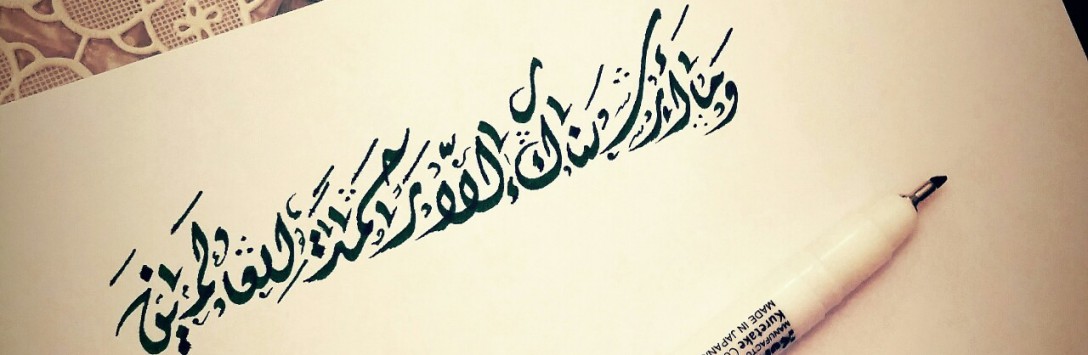
(Stories of Mercy, story of mercy, story of compassion, Mercy, Compassion, Abu-Bakr’s Mercy, Omar’s Mercy, Othman’s Mercy, Ali’s Mercy, Abdul-Rahman Ibn Awf mercy, Aisha’ Mercy)
عن عبد الله بن عمرو بن العاص رضي الله عنهما أنَّ رسولَ الله صَلّى اللهُ عليهِ وسلَّم قال: « الرَّاحِمُونَ يَرْحَمُهُمُ الرَّحْمَنُ، ارْحَمُوا مَنْ فِي الْأَرْضِ يَرْحَمْكُمْ مَنْ فِي السَّمَاءِ» . رواه أبو داود والترمذي. ـ
Narrated Abdul-Allah Ibn Amr Ibn ‘Aas -may God be pleased with them- that the Messenger of God -prayer and peace be upon him- said: “The merciful ones will be shown mercy by the Most Merciful. Be merciful to those on earth, the One in heaven will be merciful to you.” Related by Abu Dawood and Al-Tirmidhi.
—
عن أَبي هريرة رضي اللَّه عنهُ، عن النبيِّ صَلّى اللهُ عليهِ وسلَّم قال: « مَنْ نَفَّسَ عَنْ مُسْلِمٍ كُرْبَةً مِنْ كُرَبِ الدُّنْيا، نَفَّسَ اللَّهُ عَنْهُ كُرْبَةً مِنْ كُرَبِ يَوْمِ القِيامَةِ، ومَنْ يَسَّرَ عَلَى مُعْسِرٍ فِي الدُّنْيا يَسَّرَ اللَّهُ عَلَيْهِ فِي الدُّنْيَا والآخِرَةِ، ومَنْ سَتَرَ عَلَى مُسْلِمٍ فِي الدُّنْيَا سَتَرَ اللَّهُ عَلَيْهِ فِي الدُّنْيَا والآخِرَةِ، واللَّهُ فِي عَوْنِ العَبْدِ ما كَانَ العَبْدُ فِي عَوْنِ أَخِيهِ» الحديث. رواه مسلم وأبو داود والترمذي واللفظ له والنسائي وابن ماجه والحاكم . ـ
Narrated Abu Hurairah -may God be pleased with him- that the Prophet -prayer and peace be upon him- said: “Whoever alleviates one of the hardships of the worldly life from a Muslim, God would alleviate one of the hardships of the Day of Judgment from him. Whoever eased for the troubled-some in the worldly life, God would ease for him in the worldly life and the Hereafter. Whoever concealed (the faults of) a Muslim, God would conceal (that person’s faults) in the worldly life and the Hereafter. And God continues to aid the slave as long as he continues to aid his brother.” Related by Muslim, Abu Dawood, Al-Tirmidhi, Al-Nasa’i, Ibn Majah, and Al-Hakim.
—
وعن أبي هريرة رضي الله عنه قال: سمعت رسولَ الله صَلّى اللهُ عليهِ وسلَّم يقول: « ابْغُونِي في ضُعَفَائِكُمْ، فَإِنَّمَا تُرْزَقُونَ وتُنْصَرُونَ بِضُعَفَائِكُمْ» . رواه أبو داود والترمذي والنسائي. ـ
Narrated Abu Hurairah -may God be pleased with him- said: “I heard the Messenger of God -prayer and peace be upon him- say: ‘Seek me among your weak ones, for you are only granted provision and victory through the weak among you.’ ” Related by Abu Dawood, Al-Tirmidhi, and Al-Nasa’i.
The Mercy of Abu-Bakr As-Siddeeq:
عن هشام بن عروة عن أبيه قال: ( مر أبو بكر رضي الله عنه ببلال وهو يعذب- وكانت دار أبي بكر في بني جمح- فقال أبو بكر لأمية بن خلف: ألا تتقي الله في هذا المسكين، حتى متى؟ قال: أنت أفسدته فأنقذه، فقال أبو بكر: أفعل، عندي غلام أسود أجلد منه وأقوى على دينك أعطيكه به، قال: قبلت، قال: هو لك، فأعطاه أبو بكر رضي الله عنه غلامه ذلك وأخذ بلالاً فأعتقه ثم أعتق معه على الإسلام قبل أن يهاجر من مكة ست رقاب بلال سابعهم؛ عامر بن فهيرة شهد بدراً وأحداً وقتل يوم بئر معونة شهيداً وأم عبيس وزنيرة والنهدية وابنتها وجارية من بني مؤمل حي من بني عدي بن كعب). وقال له أبوه: يا بنىَّ أراك تَعْتِقُ رِقابًا ضِعافاً، فلو أنك إذ فعلتَ ما فعلتَ أعتقتَ قوماً جُلْدَاً يمنعونك، فقال له أبو بكر: إنى أُرِيدُ ما أُرِيدُ. ـ
وروي أن أبا بكر الصِّدِّيق رضي الله عنه كان يسمى الأواه لشفقته ورأفته. ـ
Narrated Hisham Ibn Urwah, narrated his father said: “Abu Bakr -may God be pleased with him- once passed by Bilal while the latter was being tortured. Abu Bakr said to Umayyah Ibn Khelef: ‘Have you no fear of God regarding this poor slave, until when are you going to torture him?’ Umayyah replied: ‘You have corrupted him, so save him.’
Abu Bakr said: ‘I shall do so; I have a stronger and sturdier black slave who follows your religion, I will exchange him for this one.’ Umayyah said: ‘I accept, he is yours.’ Abu Bakr -may God be pleased with him- gave Umayyah that slave and took Bilal in his place, and then Abu Bakr set Bilal free. Abu Bakr had freed six slaves for their Islam before Bilal before migration. Bilal was the seventh, before him Abu Bakr had freed Aamir Ibn Faheerah -who witnessed both the battles of Badr and Uhud and was martyred in the battle of Bi’r Ma’oonah. Abu Bakr also freed Umm Abees, Zuneirah, Al-Nahdiyah and her daughter, and a slave girl from Bani Mu’ammal from the tribe of Idy Ibn Ka’b.”
His father said to him: “O son, I see that you free weak slaves, why do you not free sturdy slaves who would protect you.” Abu Bakr replied: “I do that intentionally (seeking the pleasure of Allah).”
And It is related that Abu Bakr Al-Siddeeq -may Allah be pleased with him- used to be called the compassionate, due to his much mercy, kindness and compassion.
The Mercy of Omar Ibn Al-Khattab:
عن زيد بن أسلم عن أبيه قال: ( خرجنا مع عمر بن الخطاب إلى حرة واقم حتى إذا كنا بصِرار إذا نار، فقال: يا أسلم إني لأرى ها هنا ركبا قصر بهم الليل والبرد انطلق بنا. فخرجنا نهرول حتى دنونا منهم فإذا بامرأة معها صبيان صغار وقدر منصوبة على نار وصبيانها يتضاغون [أي يتباكون]، فقال عمر: السلام عليكم يا أصحاب الضوء -وكره أن يقول يا أصحاب النار، فقالت: وعليك السلام، فقال: ادنو؟ فقالت: ادن بخير أو دع، فدنا فقال: ما بالكم؟ قالت: قصر بنا الليل والبرد، قال: فما بال هؤلاء الصبية يتضاغون؟ قالت: الجوع، قال: فأي شيء في هذه القدر؟ قالت: ما أسكتهم به حتى يناموا والله بيننا وبين عمر، فقال: أي رحمك الله وما يدري عمر بكم؟ قالت: يتولى عمر أمرنا ثم يغفل عنا؟ قال فأقبل علي فقال: انطلق بنا. فخرجنا نهرول حتى أتينا دار الدقيق فأخرج عِدلا من دقيق وكَبة من شحم فقال: احمله علي، فقلت: أنا أحمله عنك، قال: أنت تحمل عني وزري يوم القيامة؟ لا أم لك، فحملته عليه فانطلق وانطلقت معه إليها نهرول، فألقى ذلك عندها وأخرج من الدقيق شيئا، فجعل يقول لها: ذِّري علي وأنا أحرك لك، وجعل ينفخ تحت القدر ثم أنزلها فقال: أبغيني شيئا، فأتته بصحفة فأفرغها فيها ثم جعل يقول لها: أطعميهم وأنا أسطح لهم، فلم يزل حتى شبعوا وترك عندها فضل ذلك، وقام وقمت معه فجعلت تقول: جزاك الله خيرا كنت أولى بهذا الأمر من أمير المؤمنين، فيقول: قولي خيرا إذا جئت أمير المؤمنين وحدثيني هناك إن شاء الله، ثم تنحى ناحية عنها ثم استقبلها فربض مربضا فقلنا له أن لنا شأنا غير هذا، ولا يكلمني حتى رأيت الصبية يصطرعون ثم ناموا وهدأوا فقال: يا أسلم إن الجوع أسهرهم وأبكاهم فأحببت أن لا أنصرف حتى أرى ما رأيت). ذكره ابن جرير في تاريخه. ـ
Narrated Zaid Ibn Aslam, narrated his father said: “I went out with Omar Ibn Al-Khattab to Harrat Waqim (area in the east side of Al-Medina). When we reached Sirar, we saw a campfire. Omar said: ‘O Aslam, I see some travelers stranded here by the night and the cold, let’s go to them.’
We hurried toward them and when we drew near, we saw a woman with young children. There was a pot set over the fire, while her children were crying.
Omar said: ‘Peace be upon you, O people of the light (he disliked to say: O people of the fire).’ The woman replied: ‘And peace be upon you.’ Omar asked: ‘Can I come closer?’ She replied: ‘Come closer with good, otherwise just leave.’ Omar went closer and asked: ‘What is the matter with you?’ She replied: ‘We were stranded by the night and the cold.’ Omar asked: ‘Why are these children crying?’ She replied: ‘They are hungry.’ Omar asked: ‘Then what is inside this pot?’ She replied: ‘A pretense until they calm down and fall asleep, and Allah is the Judge between us and the Caliph Omar.’ Omar said: ‘May Allah have mercy on you, and how could Omar know about you?’ She replied: ‘He is appointed our ruler and then does not know about us?’ Omar turned to me and said: ‘Let’s go.’
We hurried toward the wheat storage. Omar took out a sack of wheat and a jar of fat, and then said to me: ‘Place it over my back.’ I said: ‘I will carry it for you.’ He said: ‘Will you carry my burden on the Day of Judgment, may your mother be bereaved of you!’ So I placed the sack on his back and we hurried back.
When he reached the woman’s camp, Omar put down the sack. He then took some wheat out, and said to the woman: ‘Winnow the wheat and I will cook it for you.’ He then started cooking and kindling the fire by blowing beneath the pot. Omar then said: ‘Bring me something.’ She brought him a bowl, and he poured it into it, and then said: ‘Feed the children and I will flatten it for them.’
He stayed with them until they ate their full, and he left the remainder of the food with her. He turned to go and I did so, so the woman said: ‘May Allah reward you, you are more worthy to be ruler than the Leader of the Faithful, Omar.’ Omar said: ‘Say a good word if you go to the Leader of the Faithful, Omar, and look for me there God willing.’
He then walked away, but stopped after some distance, faced them and waited for a while. I said to him: ‘We have other things to do.’ He said nothing, until we saw the boys wrestling then falling asleep, then he said: ‘O Aslam, hunger kept them awake and made them cry, so I did not want to leave until I saw their current state (of comfort).’ ” Related by Ibn Jareer in his book.
Glory be to God, the Caliph himself cooks food for a poor widow and her children while his servant watches on. Compassion for other creatures speaks of a true believer and a generous heart.
The Mercy of Othman Ibn Affan:
وعن ابن عباس رضي الله عنهما، قال: ( قَحِطَ الناس في زمان أبي بكر، فقال الخليفة لهم: إن شاء الله لا تُمْسُونَ غدا حتى يأتيكم فرج اللَّه. فلما كان صباح الغد، قدمت قافلة لعثمان، فغدا عليه التجار، فخرج إليهم وعليه مُلاءة قد خالف بين طرفيها على عاتقه، وسألوه أن يبيعهم قافلته. فسألهم: كم تربحونني؟ قالوا: العشرة اثني عشر. قال: قد زادني! قالوا: فالعشرة خمسة عشر. قال: قد زادني. قالوا: من الذي زادك ونحن تجار المدينة؟ قال: إنه الله، زادني بكل درهم عشرة، فهل لدكم أنتم مزيد؟ فانصرف التجار عنه وهو ينادي: اللهم إني وهبتها فقراء المدينة بلا ثمن وبلا حساب). ذكره الآجري في الشريعة. ـ
Narrated Ibn Abbas -may God be pleased with them- said: “During the caliphate of Abu Bakr Al-Siddeeq, people faced famine. The people of Madinah went to Abu Bakr and asked him for help, so he said: ‘God willing, a relief will come as soon as the morning comes.’ The next morning, a caravan laden with food and other goods that belonged to Othman Ibn affan reached Al-Medinah. The merchants of Medinah went to Othman while he had a cloak whose both ends were tied together behind his shoulder. They asked him to sell them the items he received in his caravan.
Othman asked them: ‘What profit are you offering?’ The merchants replied: ‘Twelve Dirham for every ten.’ He said: “Someone offered me more than that.’ They said: ‘Fifteen Dirham for every ten.’ He said: “Someone offered me more than that.’ The merchants said: ‘Who else can place an offer and we are the only merchants of Medinah?’ Othman replied: ‘He is God, He has offered me a profit of ten Dirham for every Dirham, can you offer more?’ The merchants left, and he declared: ‘O God, I give my caravan away to the people of Medinah, freely with no charge or fee.’ ” Related by Al-Ajurri in his book Al-Sharee’ah.
Thus were the faithful, Othman Ibn Affan donated the whole caravan to the poor. His level of compassion and mercy for God’s creatures was such that he didn’t care for profit or loss, all he was concerned about was that the Muslims weren’t having enough food, so he donated the whole caravan.
The Mercy of Ali Ibn Abi Talib:
وعن أبي هاشم عن زاذان قال: ( كان علي يمشي في الاسواق وحده وهو خليفة، يرشد الضال، ويعين الضعيف، ويمر بالبياع والبقال فيفتح عليه القرآن ويقرأ: {تلك الدار الآخرة نجعلها للذين لا يريدون علوا في الارض ولا فسادا}[القصص، 83]، ثم يقول: نزلت هذه الآية في أهل العدل والتواضع من الولاة وأهل القدرة من سائر الناس). ذكره ابن كثير في البداية والنهاية.
Narrated Abu Hashim, narrated Zathan said: “Ali Ibn Abi Talib -may Allah pleased with him- used to walk in the marketplace alone while he was the Caliph. He would guide and direct the lost person, help the weak person, and pass by the seller and shopkeeper so would open the Qur’an for them and recite the verse: {That home of the Hereafter (i.e. Paradise), We assign to those who do not want to exalt themselves upon the earth nor cause corruption} [Surah 28, verse 83]. He would then say: ‘This verse was revealed regarding the just and modest rulers and leaders among people.’ ” Related by Ibn Katheer in Al-Bidayah and Al-Nihayah.
The Mercy of Abdul-Rahman Ibn Awf:
عن أُمِّ بَكْرٍ بِنْتِ الْمِسْوَرِ: ( أَنَّ عَبْدَ الرَّحْمَنِ بْنَ عَوْفٍ بَاعَ أَرْضًا لَهُ بِأَرْبَعِينَ أَلْفِ دِينَارٍ، فَقَسَمَهَا فِي بَنِي زُهْرَةَ، وَفُقَرَاءِ الْمُسْلِمِينَ وَالْمُهَاجِرِينَ، وَأَزْوَاجِ النَّبِيِّ صَلَّى اللَّهُ عَلَيْهِ وَسَلَّمَ، فَبَعَثَ إِلَى عَائِشَةَ رَضِيَ اللَّهُ عَنْهَا بِمَالٍ مِنْ ذَلِكَ فَقَالَتْ: مَنْ بَعَثَ هَذَا الْمَالَ؟ قُلْتُ: عَبْدُ الرَّحْمَنِ بْنُ عَوْفٍ، قَالَ: وَقَصَّ الْقِصَّةَ، قَالَتْ: قَالَ رَسُولُ اللَّهِ صَلَّى اللَّهُ عَلَيْهِ وَسَلَّمَ: « لَا يَحْنُو عَلَيْكُنَّ مِنْ بَعْدِي إِلَّا الصَّابِرُونَ»، سَقَى اللَّهُ ابْنَ عَوْفٍ مِنْ سَلْسَبِيلِ الْجَنَّةِ). رواه الحاكم والترمذي وابن حبان وأحمد في الزهد.ـ
Narrated Umm Bakr Bint Al-Miswar said: “Abdul-Rahman Ibn Awf sold a piece of land he owned for forty thousand Deenar. He then distributed that amount among the tribe of Zuhrah, among the poor Muslims and migrants, and mong the wives of the Prophet -prayer and peace upon him. He sent Aishah -may Allah be pleased with her- a portion of the money, so she asked: ‘Who sent this money?’ I replied: ‘Abdul-Rahman Ibn Awf’, and told her the whole story. Aishah said: ‘The Messenger of Allah -prayer and peace be upon him- said: `No one will be kind to you after me expet those who are patient.` May Allah grant Ibn Awf a drink from the Salsabeel Spring of Paradise.’ ” Related by Al-Hakim, Al-Tirmidhi, Ibn Hibban, and Ahmad in Al-Zuhd.
The Mercy of Aishah Bint Abi-Bakr As-Siddeeq:
عَنْ عَائِشَةَ رضي الله عنها، قَالَتْ: ( جَاءَتْنِي مِسْكِينَةٌ تَحْمِلُ ابْنَتَيْنِ لَهَا، فَأَطْعَمْتُهَا ثَلاَثَ تَمَرَاتٍ، فَأَعْطَتْ كُلَّ وَاحِدَةٍ مِنْهُمَا تَمْرَةً وَرَفَعَتْ إِلَى فِيهَا تَمْرَةً لِتَأْكُلَهَا، فَاسْتَطْعَمَتْهَا ابْنَتَاهَا، فَشَقَّتِ التَّمْرَةَ الَّتِي كَانَتْ تُرِيدُ أَنْ تَأْكُلَهَا بَيْنَهُمَا، فَأَعْجَبَنِي شَأْنُهَا، فَذَكَرْتُ الَّذِي صَنَعَتْ لِرَسُولِ اللَّهِ صلى الله عليه وسلم فَقَالَ: « إِنَّ اللَّهَ قَدْ أَوْجَبَ لَهَا بِهَا الْجَنَّةَ أَوْ أَعْتَقَهَا بِهَا مِنَ النَّارِ»). رواه مسلم.
Narrated Aishah Bin Abi Bakr -may Allah be pleased with her- said: “A poor woman came to me carrying her two daughters. I gave her three dates, so she gave a date to each one of them. She then took up one date and brought it to her mouth to eat. Her two daughters asked her for that too. So she divided the date she intended to eat between them. This (kind) treatment of her impressed me, and I mentioned what she did to the Messenger of Allah- prayer and peace be upon him. Thereupon he said: ‘Verily, Allah has obligated Paradise for her because of (this act), or He has rescued her from Hell-Fire.’” Related by Muslim.
 Prophetic Profit