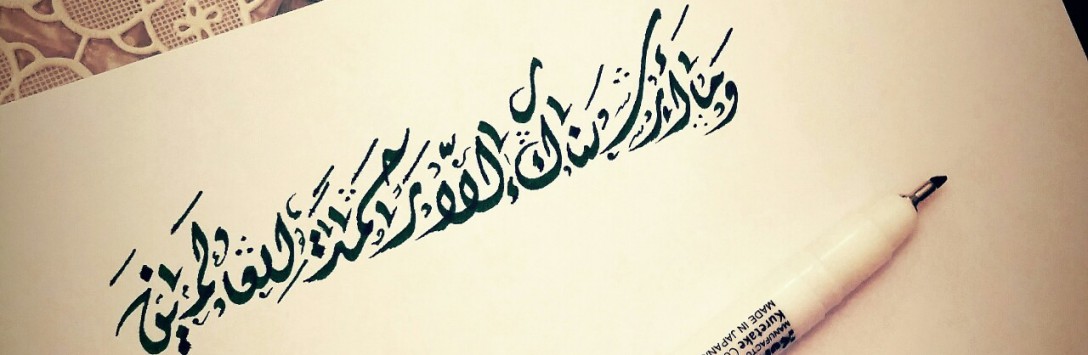
قال الله تعالى: { وَاتَّقُوا يَوْمًا تُرْجَعُونَ فِيهِ إِلَى اللَّهِ ثُمَّ تُوَفَّى كُلُّ نَفْسٍ مَا كَسَبَتْ وَهُمْ لَا يُظْلَمُونَ} سورة البقرة 281.
God the Almighty says in Qur’an (English translation): { And beware of the Day when you shall be brought back to God. Then every person shall be paid what he earned, and they shall never be dealt with unjustly } (Surah 2, 281).
———
عن البراء بن عازب رضي الله عنه قال: ( خَرَجْنَا مع النبيِّ صَلّى اللهُ عليهِ وسلَّم في جِنَازَةِ رَجُلٍ من الأنصار فانتهينا إلى القَبْر، ولَمَّا يُلْحَدْ، فَجَلَسَ رسولُ الله صَلّى اللهُ عليهِ وسلَّم وجلسنا حوله وكَأَنَّ على رُءُوسِنَا الطَّيْرَ، وفي يَدِهِ عُودٌ يَنْكُتُ في الأرض، فَرَفَعَ رأسه فقال: « اسْتَعِيذُوا بِاللَّهِ مِنْ عَذَابِ القَبْرِ- مَرَّتَيْنِ أَوْ ثَلَاثًا» ثُمَّ قَالَ: « إِنَّ العَبْدَ المُؤْمِنَ إِذَا كَانَ فِي انْقِطَاعٍ مِنَ الدُّنْيَا، وَإِقْبَالٍ مِنَ الآخِرَةِ نَزَلَ إِلَيْهِ مَلَائِكَةٌ مِنَ السَّمَاءِ بِيضُ الْوُجُوهِ، كَأَنَّ وُجُوهَهُمُ الشَّمْسُ، مَعَهُمْ كَفَنٌ مِنْ أَكْفَانِ الجَنَّةِ، وَحَنُوطٌ مِنْ حَنُوطِ الجَنَّةِ، حَتَّى يَجْلِسُوا مِنْهُ مَدَّ الْبَصَرِ، ثُمَّ يَجِيءُ مَلَكُ المَوْتِ عَلَيْهِ السَّلَام حَتَّى يَجْلِسَ عِنْدَ رَأْسِهِ، فَيَقُولُ: أَيَّتُهَا النَّفْسُ الطَّيِّبَةُ اخْرُجِي إِلَى مَغْفِرَةٍ مِنَ اللَّهِ وَرِضْوَانٍ، قَالَ: فَتَخْرُجُ تَسِيلُ كَمَا تَسِيلُ القَطْرَةُ مِنْ فِي السِّقَاءِ، فَيَأْخُذُهَا فَإِذَا أَخَذَهَا لَمْ يَدَعُوهَا فِي يَدِهِ طَرْفَةَ عَيْنٍ حَتَّى يَأْخُذُوهَا فَيَجْعَلُوهَا فِي ذَلِكَ الكَفَنِ، وَفِي ذَلِكَ الحَنُوطِ، وَيَخْرُجُ مِنْهَا كَأَطْيَبِ نَفْحَةِ مِسْكٍ وُجِدَتْ عَلَى وَجْهِ الأَرْضِ، قَالَ: فَيَصْعَدُونَ بِهَا، فَلا يَمُرُّونَ -يَعْنِي بِهَا- عَلَى مَلَإٍ مِنَ المَلَائِكَةِ إِلَّا قَالُوا: مَا هَذَا الرُّوحُ الطَّيِّبُ؟ فَيَقُولُونَ: فُلانُ بْنُ فُلانٍ – بِأَحْسَنِ أَسْمَائِهِ الَّتِي كَانُوا يُسَمُّونَهُ بِهَا فِي الدُّنْيَا- حَتَّى يَنْتَهُوا بِهَا إِلَى السَّمَاءِ الدُّنْيَا فَيَسْتَفْتِحُونَ لَهُ فَيُفْتَحُ لَهُمْ فَيُشَيِّعُهُ مِنْ كُلِّ سَمَاءٍ مُقَرَّبُوهَا إِلَى السَّمَاءِ الَّتِي تَلِيهَا، حَتَّى يُنْتَهَى بِهِ إِلَى السَّمَاءِ السَّابِعَةِ، فَيَقُولُ اللَّهُ عَزَّ وَجَلَّ: اكْتُبُوا كِتَابَ عَبْدِي فِي عِلِّيِّينَ، وَأَعِيدُوهُ إِلَى الأَرْضِ فَإِنِّي مِنْهَا خَلَقْتُهُمْ وَفِيهَا أُعِيدُهُمْ وَمِنْهَا أُخْرِجُهُمْ تَارَةً أُخْرَى.
قَالَ: فَتُعَادُ رُوحُهُ فِي جَسَدِهِ فَيَأْتِيهِ مَلَكَانِ فَيُجْلِسَانِهِ فَيَقُولَانِ لَهُ: مَنْ رَبُّكَ؟ فَيَقُولُ: رَبِّيَ اللَّهُ، فَيَقُولَانِ لَهُ: مَا دِينُكَ؟ فَيَقُولُ: دِينِيَ الْإِسْلَامُ، فَيَقُولَانِ لَهُ: مَا هَذَا الرَّجُلُ الَّذِي بُعِثَ فِيكُمْ؟ فَيَقُولُ: هُوَ رَسُولُ اللَّهِ صَلّى اللهُ عليهِ وسلَّم، فَيَقُولَانِ لَهُ: وَمَا عِلْمُكَ؟ فَيَقُولُ: قَرَأْتُ كِتَابَ اللَّهِ، فَآمَنْتُ بِهِ وَصَدَّقْتُ، فَيُنَادِي مُنَادٍ فِي السَّمَاءِ: أَنْ صَدَقَ عَبْدِي فَأَفْرِشُوهُ مِنَ الجَنَّةِ، وَأَلْبِسُوهُ مِنَ الجَنَّةِ، وَافْتَحُوا لَهُ بَابًا إِلَى الجَنَّةِ، قَالَ: فَيَأْتِيهِ مِنْ رَوْحِهَا وَطِيبِهَا، وَيُفْسَحُ لَهُ فِي قَبْرِهِ مَدَّ بَصَرِهِ، قَالَ: وَيَأْتِيهِ رَجُلٌ حَسَنُ الوَجْهِ، حَسَنُ الثِّيَابِ، طَيِّبُ الرِّيحِ؛ فَيَقُولُ: أَبْشِرْ بِالَّذِي يَسُرُّكَ، هَذَا يَوْمُكَ الَّذِي كُنْتَ تُوعَدُ، فَيَقُولُ لَهُ: مَنْ أَنْتَ فَوَجْهُكَ الوَجْهُ يَجِيءُ بِالْخَيْرِ؟ فَيَقُولُ: أَنَا عَمَلُكَ الصَّالِحُ، فَيَقُولُ: رَبِّ أَقِمِ السَّاعَةَ حَتَّى أَرْجِعَ إِلَى أَهْلِي وَمَالِي») الحديث. رواه أحمد وأبو داود والحاكم بإسناد صحيح.
—————
Narrated Al-Bara’ Ibn ‘Azib -may God be pleased with him- said: “We went out with Prophet Muhammad -prayer and peace be upon him- to attend the funeral of an Ansari man. We reached the gravesite, and it was not completely dug yet. Prophet Muhammad -prayer and peace be upon him- sat, and we sat around him, as if the birds were over our heads [sitting quietly and still]. The Prophet -prayer and peace be upon him- had a stick in his hand with which he was poking the ground. He raised his head and said twice or three times: ‘Seek refuge with God from the punishment of the grave.’
Prophet Muhammad -prayer and peace be upon him- then said: ‘When the believing slave is reaching the end of his time in the worldly life and the beginning of his Hereafter, a group of angels, whose faces are white and bright as the sun, will descend to him from heaven. They will carry with them a white shroud from Paradise, and fragrance for enshrouding from Paradise. They will sit around him as far as the eyesight can see. Then, the Angel of Death -peace be upon him- will come until he sits by his head, and say: ‘O good and pure soul, depart (your body) to God’s forgiveness and pleasure.’ So the soul comes out flowing just as the water drop flows out from the tip of the water skin, and the Angel of Death will take hold of it.
When the Angel of Death has captured the soul, the other angels will not leave it with him for more than an instance, but will take the soul and wrap it in that shroud, and place it in that fragrance. A most pleasant musk scent ever found on earth will emit from the soul, and the angels will take the soul up (to heaven).
They will not pass by any group of angels, except they will ask: ‘Whose is this blessed soul?’ They (the angels) will reply: ‘So and so person, the son of such and such person,’ calling him by the best names that he used to be called in the world. They will go on until they will reach the heaven closest to the world and will ask permission for him to enter, and they will be given permission to enter. The best residents of every heaven will then accompany him to the next heaven, until he is brought to the seventh heaven. The Almighty God will say: ‘List my slave’s record in `Illiyyin (the Highest Register) and send him back to the earth, for I have created them from it, and into it I shall return them, and from it I shall resurrect them once again.’
The soul will be returned to his body, and two angels will come to him, sit him up and ask him: ‘Who is your Lord?’ He will reply: ‘God is my Lord.’ They will ask him: ‘What is your religion?’ He will reply: ‘My religion is Islam.’ They will ask him: ‘What do you say about this man (Prophet Muhammad) who was sent with the message to you?’ He will reply: ‘He is the Messenger of God -prayer and peace be upon him.’ They will ask him: ‘And how do you know that?’ He will say: ‘I read the Holy Book of God (the Qur’an), and had faith and belief in it.’ Then, a caller (God) will call from heaven: ‘My slave has said the truth. Therefore, furnish him from Paradise, let him wear from (the clothes of) Paradise, and open a door for him to Paradise.’
So some of Paradise’s breeze and fragrance will reach him, and his grave will be expanded for him as far as his sight can see. Then, a man with a handsome face, fine clothes and a pleasant smell will come to him and say: ‘Receive the glad tidings with that which pleases you. This is the Day that you have been promised.’ He will ask him: ‘Who are you; for yours is the face that brings good news?’ He will reply: ‘I am your good deeds.’ He will say: ‘O my Lord! Hasten with the commencement of the Hour, so I can return to my family and my wealth.’’ ” The complete Hadith. Related by Imam Ahmad, Abu Dawood and Al-Hakim with an authentic (Sahih) narration.
============================
 Prophetic Profit