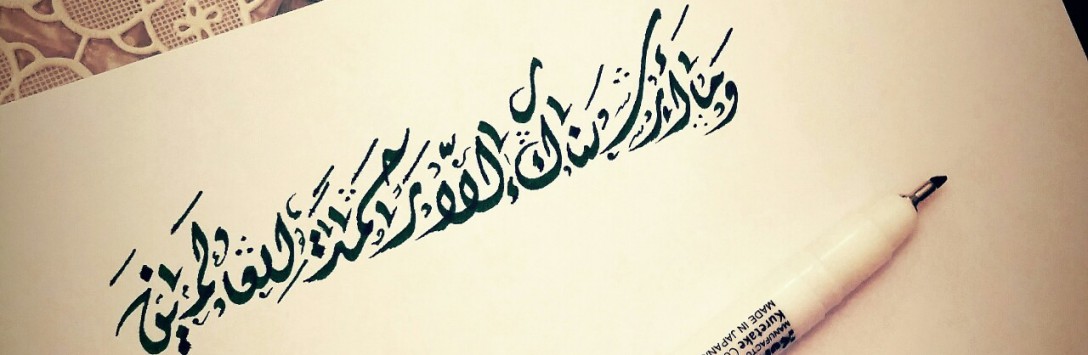
Birr al-Walidayn: Islam’s Emphasis on Parents

عن أبى هُرَيْرَةَ عنِ النَّبِي صلى الله عليه وسلم قَالَ: « لَمْ يَتَكَلَّمْ فِى الْمَهْدِ إِلاَّ ثَلاَثَةٌ: عِيسَى ابْنُ مَرْيَمَ ، وَصَاحِبُ جُرَيْجٍ. وَكَانَ جُرَيْجٌ رَجُلاً عَابِدًا، فَاتَّخَذَ صَوْمَعَةً، فَكَانَ فِيهَا، فَأَتَتْهُ أُمُّهُ وَهُوَ يُصَلِّى. فَقَالَتْ: يَا جُرَيْجُ.  فَقَالَ: يَا رَبِّ أُمِّي وَصَلاَتِي. فَأَقْبَلَ عَلَى صَلاَتِهِ، فَانْصَرَفَتْ.
فَلَمَّا كَانَ مِنَ الْغَدِ أَتَتْهُ وَهُوَ يُصَلِّي، فَقَالَتْ: يَا جُرَيْجُ. فَقَالَ: يَا رَبِّ أمي وصلاتي، فَأَقْبَلَ عَلَى صَلاَتِهِ، فَانْصَرَفَتْ.
فَلَمَّا كَانَ مِنَ الْغَدِ أَتَتْهُ وَهُوَ يُصَلِّي، فَقَالَتْ: يَا جُرَيْجُ . فَقَالَ: أَي رَبِّ أُمِّي وصلاتي، فَأَقْبَلَ عَلَى صَلاَتِهِ.
فَقَالَتِ: اللَّهُمَّ لاَ تُمِتْهُ حَتَّى يَنْظُرَ إِلَى وُجُوهِ الْمُومِسَاتِ.
فَتَذَاكَرَ بَنُو إِسْرَائِيلَ جُرَيْجًا وَعِبَادَتَهُ، وَكَانَتِ امْرَأَةٌ بَغِىٌّ يُتَمَثَّلُ بِحُسْنِهَا، فَقَالَتْ: إِنْ شِئْتُمْ لأَفْتِنَنَّهُ لَكُمْ. قَالَ: فَتَعَرَّضَتْ لَهُ، فَلَمْ يَلْتَفِتْ إِلَيْهَا. فَأَتَتْ رَاعِيًا كَانَ يَأْوِي إِلَى صَوْمَعَتِهِ، فَأَمْكَنَتْهُ مِنْ نَفْسِهَا، فَوَقَعَ عَلَيْهَا، فَحَمَلَتْ. فَلَمَّا وَلَدَتْ ، قَالَتْ: هُوَ مِنْ جُرَيْجٍ.
فَأَتَوْهُ فَاسْتَنْزَلُوهُ، وَهَدَمُوا صَوْمَعَتَهُ، وَجَعَلُوا يَضْرِبُونَهُ، فَقَالَ: مَا شَأْنُكُمْ؟ قَالُوا: زَنَيْتَ بِهَذِهِ الْبَغِي فَوَلَدَتْ مِنْكَ.  فَقَالَ: أَيْنَ الصبي؟  فَجَاءُوا بِهِ، فَقَالَ: دعوني حَتَّى أُصَلِّىَ، فَصَلَّى. فَلَمَّا انْصَرَفَ أَتَى الصَّبيَّ فَطَعَنَ فِى بَطْنِهِ، وَقَالَ: يَا غُلاَمُ مَنْ أَبُوكَ؟  قَالَ: فُلاَنٌ الراعي.
قَالَ: فَأَقْبَلُوا عَلَى جُرَيْجٍ يُقَبِّلُونَهُ، وَيَتَمَسَّحُونَ بِهِ، وَقَالُوا: نَبْنِي لَكَ صَوْمَعَتَكَ مِنْ ذَهَبٍ.  قَالَ: لاَ أَعِيدُوهَا مِنْ طِينٍ كَمَا كَانَتْ، فَفَعَلُوا» . رواه البخاري ومسلم.
قال النووي: وفي حديث جريج هذا فوائد كثيرة؛ منها عظم بر الوالدين، وتأكد حق الأم، وأن دعاءها مجاب.  وأنه إذا تعارضت الأمور بدئ بالأهم.  وأن الله تعالى يجعل لأوليائه مخارج عند ابتلائهم بالشدائد غالبا . قال الله تعالى: {وَمَنْ يَتَّقِ اللَّهَ يَجْعَلْ لَهُ مَخْرَجًا} [الطلاق 2]، وقد يجري عليهم الشدائد بعض الأوقات زيادة في أحوالهم، وتهذيبا لهم، فيكون لطفا .

——

Narrated Abu Hurayra, may Allah be pleased with him, that Prophet Muhammad ﷺ said: “None spoke in the cradle except three (persons): Jesus the son of Mary, and [the second one is] the companion of Jurayj.  Jurayj was a man [from the Children of Isra’il] who devoted himself to worshiping God.  He confined himself in a hermitage and used to worship God in it.  His mother once came to him as he was busy in prayer and called him: ‘Jurayj.’  He said: ‘My Lord, my mother [is calling me while I am engaged in] my prayer.’  Then he chose to continue with the prayer, and she left.

She returned the next day and he was busy in prayer, and she called him again: ‘Jurayj’.  He said: ‘My Lord, my mother [is calling me while I am engaged] in prayer,’ and he chose to continue with the prayer, and she left.

She came back the third day as he was busy in prayer and called him: ‘Jurayj.’  He said: ‘My Lord, my mother [is calling me while I am engaged in] my prayer,’ and he chose to continue with the prayer.  So she said: ‘My Lord, do not let him die until he sees the faces of prostitutes.’

The Children of Isra’il talked about Jurayj and his great worship. There was a prostitute who was known for her beauty who said [to the people]: ‘If you like, I can entice him.’  She presented herself to him but he paid her no heed.  So she went to a shepherd who used to live near the hermitage and offered herself to him. The shepherd shared bed with her and she became pregnant.  When she gave birth to a child she said: ‘This is from Jurayj.’

People went to Jurayj, asked him to get down, demolished his hermitage, and began to beat him.  He said: ‘What is the matter with you?’  They said: ‘You have committed fornication with this prostitute, and she has given birth to your child.’  He said: ‘Where is the baby boy?’  They brought the baby boy and he said: ‘Let me offer prayer to my Lord.’  He observed prayer and when he finished, he went to the baby boy.  Juriaj struck his stomach and said: ‘O boy, who is your father?’ The baby boy spoke and said: ‘So and so the shepherd.’  Thereupon, the people turned towards Jurayj, kissed him and touched him [seeking blessing].  They said: ‘We will construct your hermitage with gold.’ He said: ‘No, just rebuild it with mud as it had been,’ and they did that.” Related by Al-Bukhari and Muslim.

—-


The above hadith indicates the great emphasis Islam has placed on the obligations and rights of parents.  In Islam the concept of gratefulness to God is stressed time and again. Thus, the Muslim should feel and express gratitude to Allah, Who has granted him innumerous blessings and countless favors.  As mentioned in the hadith, each blessing requires thankfulness and gratitude.  And the more the slave thanks Allah and admits his constant need of Him, the more Allah grants the slave; meanwhile, the ungrateful slave will find his recompense both in this life and the Hereafter.

Parents have been given such high status in Islam partially due to the concept of gratitude.  It is logically explained in the Qur’an that as the mother bears her child for nine months, and endures the hardships throughout her pregnancy, and then both parents take care of the baby while he or she is growing up, the parents deserve a similar attitude of care and respect from the child. In the Qur’an, Allah the Exalted states: { And We have enjoined on man to be dutiful and good to his parents. His mother bore him in weakness and hardship upon weakness and hardship, and his weaning is in two years.  Be grateful to Me and to your parents, unto Me is the final destination} (Surah 31, verse 14).

Thus, Allah the Exalted ties giving thanks and being grateful to Him, to giving thanks and being grateful to one’s parents. The scholars said that this verse indicates that the opposite is true, too. So the person who does not thank his parents and does not express gratitude by taking care of them, and does not show respect and reverence to them–that person has not expressed real gratitude to God. The Messenger of Allah ﷺ called undutifulness to one’s parents a major sin, and one of the seven deadly sins in Islam. The following hadith in fact tells us that the greatest major sin after disbelief is bad treatment of parents (‘uquq):

عن عبد اللَّهِ بنِ عمرو بن العاص رضي اللَّه عنهما عن النبيِّ صَلّى اللهُ عليهِ وسلَّم قال: « الكَبَائرُ: الإِشْرَاكُ بِاللَّهِ، وعُقُوقِ الوَالِديْنِ، وقَتْلُ النَّفْسِ، واليَمِينُ الغَمُوسُ» .  رواه البخاري.

Narrated Abdullah Ibn Amr Ibn Al-‘Aas, may Allah be pleased with them, that the Prophet ﷺ said: “The major sins are: Associating any partner in worship with Allah (shirk), undutifulness to one’s parents (uqooq), killing the soul, and taking a false oath that will take him deep into Hell (Al-Yameen Al-Ghamoos).”  Related by Al-Bukhari.

Despite this emphasis in the religion on parents’ rights, we see some abandoning this Divine command and preferring self-interest and personal family needs over their parents’ needs.

It is as if they have forgotten the extra care their parents took and the years they spent to raise them.

Thus, not only do they neglect an honorable duty and a moral obligation, but they also end up committing a major sin whose consequences are felt both in this life and the Hereafter–may Allah keep us safe.  The following hadith conveys some of the gravity of the matter:

عن جابِرِ بنِ سَمُرَةَ رضي اللَّهُ عنه قالَ: ( صَعِدَ النَّبِيُّ صَلّى اللهُ عليهِ وسلَّم الْمِنْبَرَ فَقَالَ: « آمِينَ، آمِينَ، آمِينَ». فَلَمَّا نَزَلَ سُئِلَ عَنْ ذَلِكَ ؟ فَقَالَ: « أَتَانِي جِبْرِيلُ، فَقَالَ: رَغِمَ أَنْفُ مَنْ أَدْرَكَ رَمَضَانَ فَلَمْ يُغْفَرْ لَهُ، قُلْ: آمِينَ، قُلْتُ: آمِينَ.  وَرَغِمَ أَنْفُ رَجُلٍ ذُكِرْتَ عِنْدَهُ فَلَمْ يُصَلِّ عَلَيْكَ، قُلْ: آمِينَ، فَقُلْتُ: آمِينَ.  وَرَغِمَ أَنْفُ رَجُلٍ أَدْرَكَ وَالِدَيْهِ أَوْ أَحَدَهُمَا فَلَمْ يُغْفَرْ لَهُ، أَوْ لا يُدْخِلانِهِ الْجَنَّةَ، قُلْ: آمِينَ. قُلْتُ: آمِينَ»). رواه البزار واللفظ له، ورواه الترمذي وابن حبان والطبراني وأحمد.

Narrated Jabir Ibn Samurah, may Allah be pleased with him: “The Prophet ﷺ climbed the pulpit once and then said: ‘Amen. Amen. Amen.’  When he climbed down, he was asked about that, so he replied: ‘Gabriel came to me and said: ‘Humiliated is he who attained the month of Ramadan, but was not forgiven, say Amen.’  I said Amen.  He said: ‘Humiliated is he in whose presence you are mentioned, but he does not send prayer upon you, say Amen.’  I said Amen.  He said: ‘And humiliated is he who is with his parents or one of them, but was not forgiven, or they did not make him enter Paradise, say Amen.’  I said Amen.’ ”  Related by Al-Bazzar (his narration), as well as Al-Tirmidhi, Ibn Hibban, Al-Tabarani, and Ahmad with good narration.

Respect for parents extends to the degree that Allah has prohibited us from even expressing annoyance to them.  Rather, the Muslim should be patient with his parents and swallow any anger or frustration he may feel and remember their great rights and obligation. Allah the Exalted says: {And your Lord has decreed that you worship none but Him, and that you be dutiful to your parents.  If one of them or both of them attain old age while with you, say not to them a word of disrespect (uff), nor reprimand them but address them in terms of honor.  And lower to them the wing of humility and mercy, and say: “My Lord, bestow upon them Your mercy as they brought me up when I was young.”} (Surah 17, verses 23-24).

Ibn Kathir said: “The meaning of the verse is: Do not let your parents hear any bad speech from you, not even to say ‘Uff’, which is the mildest level of disrespect and bad speech.

On the other hand, a great reward and good recompense is promised to the one who treats her parents with good manners, obeys them, and tries to fulfill their needs.  Such a dutiful child is promised goodness in this life and great reward in the Hereafter, as the following hadith shows:

عن أنس بن مالك رضي الله عنه قال: قال رسولُ الله صَلّى اللهُ عليهِ وسلَّم: « مَنْ سَرَّهُ أَنْ يُمَدَّ لَهُ فِي عُمُرِهِ ويُزَادَ فِي رِزْقِهِ فَلْيَبِرَّ وَالِدَيْهِ وَلْيَصِلْ رَحِمَهُ» .  رواه أحمد.

Narrated Anas Ibn Malik, may Allah be pleased with him, that the Messenger of Allah ﷺ said: “Whoever wishes for his age to be extended, and for his livelihood to be increased, then let him be dutiful to his parents and maintain relationship with his kin.”  Related by Imam Ahmad.

This goes to the extent that some scholars said that being dutiful to parents erases major sins.  It is related that Imam Ahmad Ibn Hanbal said: “Dutifulness to parents is an expatiation of major sins.”   And great stories have been narrated of the Companions of the Prophet and how they used to respect their parents and do everything they could to serve their parents and fulfill their needs.  Indeed, the righteous people realized the great reward in treating parents with good manners and being dutiful to them, and learned of its benefits both in this life and the Hereafter, so they took every effort to fulfill their parents’ needs and spent what they had to serve their parents.

Finally, we see the keenness of Companions to be dutiful to their parents even after death, as the following hadith shows:

‏عن أبي أُسَيْدٍ مالكِ بنِ ربيعةَ السَّاعِدِيِّ ‏قال: بَيْنَا نَحْنُ عِنْدَ رَسُولِ اللَّهِ صَلّى اللهُ عليهِ وسلَّم إِذْ جَاءَهُ رَجُلٌ مِنْ ‏بَنِي سَلَمَةَ فَقَالَ: يَا رَسُولَ اللَّهِ هَلْ بَقِيَ مِنْ بِرِّ أَبَوَيَّ شَيْءٌ أَبَرُّهُمَا بِهِ بَعْدَ مَوْتِهِمَا؟ قَالَ: « ‏نَعَمْ الصَّلَاةُ عَلَيْهِمَا، وَالِاسْتِغْفَارُ لَهُمَا، وَإِنْفَاذُ عَهْدِهِمَا مِنْ بَعْدِهِمَا، وَصِلَةُ الرَّحِمِ الَّتِي لَا تُوصَلُ إِلَّا بِهِمَا، وَإِكْرَامُ صَدِيقِهِمَا».  رواه أبو داود وابن ماجه.

Narrated Abu Usaid Malik Ibn Rabi’a Al-Sa’idi : “While we were sitting with the Messenger of Allah ﷺ, a man from the tribe of Bani Salama came to him and asked: ‘O Messenger of Allah, is there anything of filial devotion left with which I can be dutiful to my parents after their death?’  He replied: ‘Yes, praying for them, asking Allah to forgive them, fulfilling their pledge after them, maintaining relationship with the kinfolk not maintained except by them, and honoring their friends.’ ”  Related by Abu Dawud and Ibn Majah.

Islam has thus placed enormous emphasis on respect for and obedience to parents, with great rewards promised to righteous children, and severe punishment in both lives warned of those who mistreat their parents. We ask Allah to forgive us in our shortcomings to our parents, and we ask Him to reward them and raise their ranks for all their services on our behalf.

The Repentant and the Command to Repent


عن أبِي هُرَيْرَةَ، قالَ: قالَ رَسُولُ اللَّهِ صلى الله عليه وسلم: «‏ وَالَّذِي نَفْسِي بِيَدِهِ لَوْ لَمْ تُذْنِبُوا لَذَهَبَ اللَّهُ بِكُمْ وَلَجَاءَ بِقَوْمٍ يُذْنِبُونَ فَيَسْتَغْفِرُونَ اللَّهَ فَيَغْفِرُ لَهُمْ».  رواه مسلم وأحمد.


Narrated Abu Hurayra, may Allah be pleased with him: the Messenger of Allah ﷺ said: “By the One in Whose Hand is my soul, if you were not to commit sins, Allah would replace you with a people who would commit sins and then seek forgiveness from Allah; and He would forgive them.”  (Related by Muslim and Ahmad).

Allah, the Creator and the Most Knowledgeable, describes the son of Adam in His Holy Book as follows: {And man was created weak} (Surah 4, verse 28). The word ‘weak’ aptly describes the son of Adam, no matter how lofty he considers himself and how arrogantly he tries to elevate himself.  Not only is man weak in his body, but he is also weak in the face of temptations and self-desires.

When disease strikes the son of Adam, only then does he realize the limitation of his strength; when sickness cripples his limbs, only then he realizes the fragility of his health; and when old age overtakes him, only then he realizes the little power he possesses. Likewise, in the face of strong temptations and desires, man realizes how weak he is in controlling his inner self–except for those whom Allah gives strength.

Thus, the Muslim is urged to seek Allah’s help in all of his affairs, to present his needs before the Mighty One, and to ask for His forgiveness and pray for redemption. While Allah is Most Merciful to His creation, the son of Adam is asked to follow Allah’s commands and refrain from disobedience.

But since man is weak and will inevitably commit sins, the Prophet ﷺ instructed the Muslim in the hadith above to seek forgiveness from Allah the Exalted, as soon as one slips and commits a sin. The Muslim is urged to repent of his sin and promise His Lord to abandon that sin. The Muslim is also commanded to ask for Allah’s forgiveness and to feel regret over his slip and transgression.

There are two common misconceptions concerning the above hadith. First, this hadith is not an invitation to commit sins; indeed, Allah is displeased when His commands are violated and has created Hell for those who disobey Him. Instead, the hadith is an invitation towards repentance: Allah loves repentance so much that He would rather see weak people inevitably slip and repent, instead of seeing strong people who never slip and thus have no need to repent. Thus, this hadith should not be considered an excuse to commit sins; rather it should be looked at as encouragement to abandon sins whenever they happen, to repent, and to return to Allah and fulfill His obligations.

The second misconceptions is the notion that whoever commits sins is in Hell. The hadith dispels this notion by reminding the Muslim of the great mercy of Allah and of his vast forgiveness. Indeed, an inkling of this limitless mercy can be seen in the following authentic hadith:

عَنْ أَبِي مُوسَى، عَنِ النَّبِيِّ صلى الله عليه وسلم قَالَ: « إِنَّ اللَّهَ عَزَّ وَجَلَّ يَبْسُطُ يَدَهُ بِاللَّيْلِ لِيَتُوبَ مُسِيءُ النَّهَارِ، وَيَبْسُطُ يَدَهُ بِالنَّهَارِ لِيَتُوبَ مُسِيءُ اللَّيْلِ، حَتَّى تَطْلُعَ الشَّمْسُ مِنْ مَغْرِبِهَا».  رواه مسلم.

Abu Musa reported that the Messenger of Allah ﷺ said: “Allah, the Exalted and Glorious, stretches out His Hand during the night so that the sinner of the day may repent; and He stretches out His Hand during the day so that the sinner of the night may repent. (He accepts repentance) before the sun rises from the west (i.e. before the Day of Judgment).”  (Related by Muslim).

Allah’s mercy has no bounds; it is limitless and eternal. Part of seeking Allah’s mercy is repenting to Him, as the following hadith urges:

عن أبي هريرة رضي الله عنه عن النبي صَلّى اللهُ عليهِ وسلَّم قال: « لو أخطأتم حتى تبلغ خطاياكم السماء، ثم تبتم لتاب عليكم». رواه ابن ماجه.

Narrated Abu Hurayra, may Allah be pleased with him, that the Messenger of Allah ﷺ said: “If you committed sins until your sins reached the sky, then repented, Allah would accept your repentance.”  (Related by Ibn Majah).

Thus, the Muslim should never despair of the vast mercy of Allah, but should always seek it and do his best to receive it. The Muslim is urged to return to Allah and to take advantage of this great bounty before it is too late. Now there is time for repentance while we are alive. As for those who indulge in sins and ignore Allah’s commands, then they may be punished.  Allah the Exalted has given us this warning in Qur’an in the most gentle way. Allah says:

53.{Say: “O My slaves who have transgressed against themselves (by committing evil deeds and sins), do not despair of the Mercy of Allah. Indeed, Allah forgives all sins. Truly, He is Oft-Forgiving, Most Merciful.”

  1. And turn in repentance to your Lord and submit to Him, before the punishment comes upon you, then you will not be helped.
  2. And follow the best of that which is revealed to you from your Lord (i.e. this Qur’an, do what it orders you to do and keep away from what it forbids), before the punishment comes upon you suddenly while you do not perceive!
  3. Lest a person should say: “Alas, my grief that I was undutiful to Allah (i.e. I have not done what Allah has ordered me to do), and I was indeed among those who mocked [at the truth]”.
  4. Or (lest) he should say: “If only Allah had guided me, I would have been among the pious and righteous (Muttaqun).”
  5. Or (lest) he should say when he sees the punishment: “If only I had another chance (to return to the world) then I should indeed be among the doers of good (Muhsinun).”} (Surah 39, verses 53-58).

Thus the sensible Muslim is the one who takes heed of the warning of His Lord and tries his best to follow His command to get His reward. The prudent Muslim is the one who is forewarned and tries to resist temptations and self-desires to attain eternal bliss, and if he slips and commits a sin then he soon repents and returns to Allah the Exalted. And the wise Muslim is the one who repents to Allah during day and night, and tries to get the greatest share of Allah’s limitless mercy by constantly asking His forgiveness and vast bounty and by trying his best to follow Allah’s commands and avoid things He has forbidden.  And Allah knows best.

“Preserve God’s Commands, He will Preserve you!”


عن ابنِ عبَّاسٍ رضيَ اللَّه عنهمَا قال: كُنْتُ خَلْفَ النَّبِيِّ صَلّى اللهُ عليهِ وسلَّم يوْماً فَقال: « يَا غُلامُ إِنِّي أُعلِّمُكَ كَلِمَاتٍ: احْفَظِ اللَّهَ يَحْفَظْكَ، احْفَظِ اللَّهَ تَجِدْهُ تُجَاهَكَ، إِذَا سَأَلْتَ فَاسْأَلِ اللَّهَ، وَإِذَا اسْتَعَنْتَ فَاسْتَعِنْ بِاللَّهِ، واعلَمْ أَنَّ الأُمَّةَ لَوِ اجْتَمَعَتْ عَلَى أَنْ يَنْفعُوكَ بِشيْءٍ، لَمْ يَنْفعُوكَ إِلاَّ بِشَيْءٍ قَد كَتَبَهُ اللَّهُ لَكَ، وإِنِ اجْتَمَعُوا عَلَى أَنْ يَضُرُّوكَ بِشَيْءٍ، لَمْ يَضُرُّوكَ إِلاَّ بَشَيْءٍ قد كَتَبَهُ اللَّه عليْكَ، رُفِعَتِ الأقْلامُ، وجَفَّتِ الصُّحُفُ».  رواهُ التِّرْمذيُّ.

Narrated Ibn Abbas, may Allah be pleased with him and his father: “I was riding behind the Prophet ﷺ once when he said: ‘O boy!  I will teach you some words (so learn them).  Be mindful of Allah; He will protect you. Safeguard His obligations; Allah will be on your side. If you ask for assistance, ask Allah, and if you seek help, seek it from Allah. Know that if all people gather their strength to benefit you, they will never benefit you with anything except that which Allah has foreordained for you.  And if all of them gather their strength to harm you, they will never be able to harm you with anything except that which Allah had pre-destined against you.  The pens had been raised, and the ink had dried up.’” (Related by Al-Tirmidhi).

The Prophet ﷺ gave his young cousin Abdullah Ibn Abbas–who went on to become the learned scholar of this nation–advice that should be written with ink of gold and engraved on stone so it can be remembered forever. This hadith is one of the Jawami’ al-Kalim: ‘Concise and Comprehensive words’ of Prophet Muhammad ﷺ, full of the eloquence that indicates the true message of the Prophet ﷺ.

Indeed, every word of this hadith deserves a volume by itself, but here we briefly focus on the statement:

(احْفَظِ اللَّهَ يَحْفَظْكَ، احْفَظِ اللَّهَ تَجِدْهُ تُجَاهَكَ)

 Preserve (the Commands of) Allah, He will preserve you. And keep the rules of Allah, He will be there for you.


If we ponder upon this statement, we will find that it contains the path to success in both this life and the Hereafter. This worldly life has been created with troubles and tribulations as a test for the son of Adam, and he then chooses to believe and show patience and gratitude or to disbelieve and display ingratitude and impatience.  As Allah the Exalted states in Qur’an: {He (God) is the One Who has created death and life, that He may test you which of you is best in deed. And He is the All-Mighty, the Oft- Forgiving} (Surah 67, verse 2).  Thus, every person experiences some troubles and difficulties in his daily life, some minor and some major.

But Islam also teaches us how to deal with these problems and troubles. In the above hadith, Prophet Muhammad ﷺ explains that the first step to overcome problems is to obey the commands of Allah and observe His rules in everything. Consequently, just as we try our best to preserve the commands of Allah, Allah will preserve us and be there for us when we need Him.

Indeed, when the Muslim is afflicted with a calamity or trouble, the first thing he does is raise his hands to Allah and seek His help. And as the Prophet ﷺ explained in the above statement, the pious Muslim’s call for help is answered faster, and his need is fulfilled sooner–as a result of his safeguarding of Allah’s obligations. Despite how severe his calamity may be, sooner or later a solution or a way out of his trouble is found for him.  As Allah the Exalted states: {And whoever fears Allah, He will make for him a way out (of difficulty).  And He will provide for him from where he does not expect} (Surah 65, verses 2-3).  Ibn Abbas, may Allah be pleased with him and his father, said concerning this verse: “Allah will deliver him from every difficulty of this world and the Hereafter.”

Consider the other situation, when a man is busy with sins and following self-desires; when calamity or trouble befalls him, he is left with no support and no real help. Naturally, he too turns to his Creator and seeks His help.  But the help may or may not come, and it may come at a much later point, leaving him anxious, worried, and depressed. More significantly, this anxiety may raise self-doubts and ungrounded assumptions in the weak person’s heart. Thus, his initial lack of obedience becomes a cause of the weakening of his faith. This is in contrast to the pious person who is firm in his belief and has full trust in his deliverance and aid from his Lord.

But it is never late to return to Allah, the Most Merciful.  Indeed, troubles sometimes act as a reminder to the slave to get back to his Lord. And when the Muslim repents of his sins and observes Allah’s commands, the limitless mercy of Allah encompasses him, and it is hoped that he will find a way out of his trouble despite his sinful past. As Allah the Exalted states in Qur’an: {Say: “O My slaves who have transgressed against themselves (by committing evil deeds and sins), do not despair of the Mercy of Allah. Indeed, Allah forgives all sins. Truly, He is Oft-Forgiving, Most Merciful.” And turn in repentance to your Lord and submit to Him, before the punishment comes upon you, then you will not be helped} (Surah 39, verses 53-54).

Thus, we see the effects of the statement: “Preserve (the Commands of) Allah, He will preserve you.  And Keep the rules of Allah, He will be there for you,” both in this life and the Hereafter. In this life, the pious Muslim experiences the blessings of steadfastness and firmness in religion and full trust in Allah in the face of difficulties and troubles, as well as a forthcoming solution for his troubles that soon materializes by the Will of the Almighty (though the Muslim is asked to take every effort to consult the people of knowledge and find a solution). And in the Hereafter, the pious Muslim wins the Pleasure of Allah, along with Paradise and the Eternal Bliss. To paraphrase Ibn Abbas, through this piety a person thus gains the happiness of this world and the next. We ask Allah to grant us this gift.  And Allah knows best.