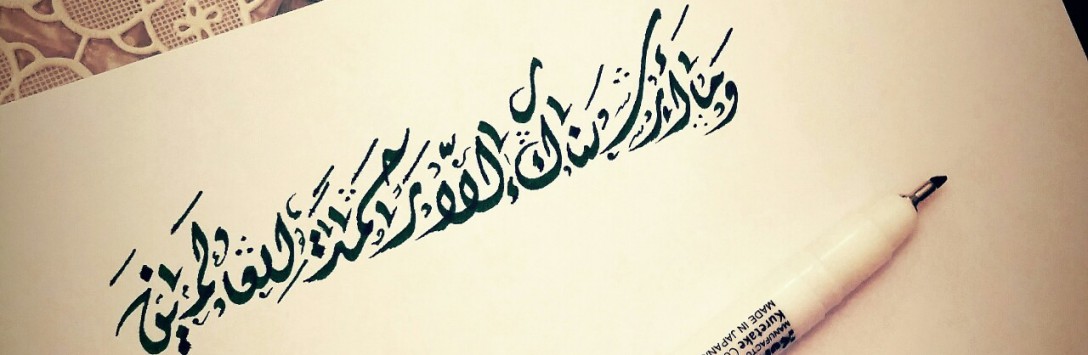
Faithful Women (Umm Habibah and Abraha)

    عن أم المؤمنين أمِّ حَبِيبَةَ رضي الله عنها، قالت: ( رأيتُ في المنام كأنَّ آتيا يقول لي: يا أم المؤمنين، ففزعتُ وأولتها أن رسول الله صلى الله عليه وآله وسلم يتزوجني.

 قالت: فما هو إلا أن انْقَضَتْ عِدَّتِي، فما شَعَرْتُ إلا برسول النجاشي على بابي يستأذن، فإذا جارية له يقال لها: أَبْرَهَةَ كَانَتْ تَقُومُ عَلَى ثِيَابِهِ وَدَهْنِهِ، فدخلت علي فقالت: إن الملك يقول لك: إن رسول الله صلى الله عليه وآله وسلم كتب إلي أن أزوجك، فقلت: بشرك الله بخير، وقالت: يقول لك الملك: وَكِّلِي مَنْ يُزَوِّجُكِ. فأرسلَتْ إلى خالدِ بن سعيد بن العاص فَوَكَّلَتْهُ، وَأَعْطَتْ أَبْرَهَةَ سوارين من فضة وخَدَمَتَيْنِ كانتا في رجليها وخواتيم فضة كانت في أصابع رجليها سرورا بما بشرتها به.

  فلما كان العشي أمر النجاشيُّ جعفرَ بن أبي طالب ومن هناك من المسلمين فحضروا فخطب النجاشي، فقال: الحمد لله الملك القدوس السلام المؤمن المهيمن العزيز الجبار، الحمد لله حق حمده، وأشهد أن لا إله إلا الله وأن محمدا عبده ورسوله، وأنه الذي بشر به عيسى ابن مريم عليه الصلاة والسلام، أما بعد: فإن رسول الله صلى الله عليه وآله وسلم كتب إلي أن أزوجه أم حبيبة بنت سفيان، فأجبتُ إلى ما دعا إليه رسول الله صلى الله عليه وآله وسلم وقد أصدقتها أربعمائة دينار، ثم سكب الدنانير بين يدي القوم، فتكلم خالد بن سعيد فقال: الحمد لله أحمده وأستعينه وأستنصره، وأشهد أن لا إله إلا الله وأشهد أن محمدا عبده ورسوله، { أَرْسَلَ رَسُولَهُ بِالْهُدَى وَدِينِ الْحَقِّ لِيُظْهِرَهُ عَلَى الدِّينِ كُلِّهِ وَلَوْ كَرِهَ الْمُشْرِكُونَ}، أما بعد: فقد أجبتُ إلى ما دعا إليه رسول الله صلى الله عليه وآله وسلم وَزَوَّجْتُهُ أُمَّ حَبِيبَةَ بِنْتَ أَبِي سُفْيَانَ فبارك الله لرسوله، ودفع الدنانير إلى خالد بن سعيد فقبضها، ثم أرادوا أن يقوموا، فقال: اجلسوا فإن سنة الأنبياء عليهم الصلاة والسلام إذا تزوجوا أن يؤكل الطعام على التزويج، فدعا بطعام فأكلوا، ثم تفرقوا.

  قالت أم حبيبة: فلما وصل إلي المال، أرسلت إلى أبرهة التي بشرتني، فقلت لها: إني كنت أعطيتك ما أعطيتك يومئذ ولا مال بيدي وهذه خمسون مثقالا فخذيها فاستعيني بها، فَأَخْرَجَتْ إِلَيَّ حِقَّةً فيها جميع ما أعطيتها فردته إلي، وقالت: عزم علي الملك أن لا أرزأك شيئا وأنا التي أقوم على ثيابه ودهنه، وقد اتبعت دين رسول الله صلى الله عليه وآله وسلم وأسلمتُ لله، وقد أمر الملك نساءه أن يبعثن إليك بكل ما عندهن من العطر. فلما كَانَ الْغَدُ جَاءَتْنِي بِعُودٍ وَوَرْسٍ وَعَنْبَرٍ وزَبَادٍ كَثِيرٍ، وَقَدِمْتُ بذلك كله على رسول الله صلى الله عليه وآله وسلم وكان يراه علي وعندي فلا ينكر.
ثم قالت أبرهة: فَحَاجَتِي إِلَيْكِ أن تُقْرِئِي رَسُولَ اللَّهِ صلى الله عليه وآله وسلم مني السلامَ وَتُعْلِمِيهِ أَنِّي قَدِ اتَّبَعْتُ دِينَهُ، قالت: ثم لَطَفَتْ بي وكانت هي التي جهزتني، وكانت كلما دخلت علي تقول: لا تنسي حاجتي إليك، قالت: فلما قدمنا على رسول الله صلى الله عليه وآله وسلم أخبرته كيف كانت ا الْخِطْبَةُ وما فعلت بي أبرهة، فَتَبَسَّمَ رَسُولُ الله صلى الله عليه وآله وسلم، وأقرأته منها السلام، فقال: “وَعَلَيْهَا السَّلَامُ وَرَحْمَةُ اللَّهِ وَبَرَكَاتُهُ”).  رواه الحاكم.

  English Translation:

Narrated Umm Hebeebeh -may God be pleased with her- said: “I once saw in a dream as if someone came to me and said: ‘O Mother of the Believers’.  I was frightened and interpreted the dream as Prophet Muhammad -prayer and peace be upon him- would marry me [in Qur’an, God called the wives of the Prophet as Mothers of the Believers].’

And indeed, as soon as I finished my widowhood waiting period (Iddeh), a messenger from the Al-Nejashi (Negus or King of Ethiopia) came to me asking permission to enter.  She was a female servant by the name of Abreheh who used to take care of the King’s clothes and perfume.  Abreheh came in and said: ‘The king says to you: `Appoint someone as your representative in marriage.`’  So I sent for Khalid Ibn Sa’eed Ibn Al-Aas and requested him to be my representative in marriage.  I gave Abreheh two bracelets of silver, as well as two bangles and silver rings that were around my feet, out of happiness and as a reward for her for bearing the good news.

When it was evening, Al-Nejashi (Negus or King of Ethiopia) invited Ja’far Ibn Abi Talib (the Prophet’s cousin) and all the Muslims present.  Al-Nejashi then delivered a speech and performed the marriage ceremony.  Al-Nejashi said:

‘All praise be to God, the King, the Holy, the Peace and Perfection, the Bestower of Faith and security, the Guardian, the Exalted in Might, and the Compeller.  All Praise be to God as worthy of Him.  I bear witness that there is no deity worthy of worship except God, and that Muhammad is His servant and Messenger whom Jesus son of Marry peace be upon him foretold about.  Then, Prophet Muhammad -prayer and peace be upon him- has sent a message to me requesting the hand of Umm Habeebah in marriage. So I am fulfilling the request of the Prophet, and I am giving her four hundred deenar (gold coins) as bridal money on behalf of the Messenger of God -prayer and peace be upon him.’  Al-Nejashi then poured the money in front of the gathering.

Then Khalid Ibn Sa’eed spoke and said: ‘All praise be to God, I praise Him, seek His help and assistance. I bear witness that there is no deity worthy of worship except God, and that Muhammad is His servant and Messenger.  God says: { It is He (God) Who has sent His Messenger (Muhammad) with guidance and the religion of truth (Islam), to make it superior over all religions even though the polytheists may hate it} (Surah 9, verse 33).  Then, I am fulfilling the request of Prophet Muhammad -prayer and peace be upon him, and have accepted his marriage proposal for Umm Habeebah on her behalf, so may God bless Prophet Muhammad in it.’  Al-Nejashi then gave the money to Khalid Ibn Sa’eed and he accepted it.  When the gathering wanted to disperse, Al-Nejashi said: ‘Sit down for it is the habit of prophets -peace be upn them- to throw a banquet after marriage.’  He then called for food and they ate, and then left.

When the money was given to me, I called for Abreheh who gave me the good news.  I said to her: ‘I had given you what I had for I did not have money with me at the time, so take this amount of fifty Deenar and use it for your needs.’  She took out a pouch that had everything I had given her and said: ‘The king has resolved that I should not take anything away from you, and I am the one who takes care of his clothes and perfume.  Indeed, I have followed the religion of Prophet Muhammad -prayer and peace be upon him and his family- and embraced Islam for the sake of God.  The king has asked all of his womenfolk to send what they have of perfume to you.’

On the following day, Abreheh came to me with lots of aloes, wers (plant with red dye), ambergris, and musk.  I brought all of them with me when I went to the Messenger of God -prayer and peace be upon him, and he used to see it with me and never disapproved of it.

Abreheh then said: ‘My request to you is that you convey my salaam to Prophet Muhammad -prayer and peace be upon him- and inform him that I have followed his religion (Islam).’  She then took care of me and made me ready for the marriage ceremony.  Every time she visited me afterwards, she would remind me and say: ‘Do not forget my request.’  When we went home and I met Prophet Muhammad -prayer and peace be upon him, I told him about the marriage ceremony and about Ahreheh’s nice treatment, so he smiled.  I then conveyed her salaam to him, and he said: ‘And peace, the mercy and blessings of God be on her.’ ”  Related by Al-Hakim.

 =================================


Prophet Muhammad – Forgiving and Kind

(Keywords: Prophet Muhammad’s forgiveness of Quraish, Prophet’s Muhammad’s forgiveness of his enemies during the Conquest of Makkah, Prophet Muhammad’s mercy and kindness, Prophet’s Muhammad’s high Morals)


     قال الله تعالى: { لَقَدْ جَاءَكُمْ رَسُولٌ مِنْ أَنْفُسِكُمْ عَزِيزٌ عَلَيْهِ مَا عَنِتُّمْ حَرِيصٌ عَلَيْكُمْ بِالْمُؤْمِنِينَ رَءُوفٌ رَحِيمٌ} التوبة 128.

      God -the Exalted- says: { Verily, there has come to you a Messenger (Muhammad) from among yourselves. It grieves him what you suffer.  He is concerned over you, and to the believers he is kind and merciful} (Surah 9, verse 128).

    عن عَائِشَةَ رضى الله عنها أَنَّها قالت: ( مَا انْتَقَمَ رَسُولُ اللَّهِ صلى الله عليه وسلم لِنَفْسِهِ فِي شَىْءٍ قَطُّ، إِلاَّ أَنْ تُنْتَهَكَ حُرْمَةُ اللَّهِ، فَيَنْتَقِمَ بِهَا لِلَّهِ). متفق عليه.‏

            Narrated Aisheh (Wife of the Prophet) -may God be pleased with her- said: “Prophet Muhammad -prayer and peace be upon him- never took revenge over anybody for himself, unless the limits of God were violated then he would serve justice for Allah’s sake.” Related by Al-Bukhari and Muslim.


         Prophet Muhammad urged the Muslims to show forgiveness and kindness to others.  Not only did he express that in words, but he also accompanied it with action.  If we study the biography of Prophet Muhammad -prayer and peace be upon him, we see instance after instance of forgiveness and largess.

The most clear instance of Prophet Muhammad’s great forgiveness appears in his treatment of the tribe of Qureish after the Conquest of Makkah.

Prophet Muhammad -prayer and peace be upon him- spent thirteen years in Makkah inviting his people to Islam.  During this period, his tribe Qureish not only refused his invitation but persecuted him and his followers.  Qureish used to worship idols, and vehemently rejected the call to worship one God.  They believed in God, but associated other idols in worship as well.  As the Prophet explained his divine message, and as people saw the true divine and noble nature of his message, many people embraced Islam and devoted their worship to one God only.  However, the chiefs and powerful men of Qureish insisted on their belief, and moreover started harming and torturing those who followed Prophet Muhammad, and employed many methods to make them renounce their religion.

In response to this persecution, Prophet Muhammad -prayer and peace be upon him- allowed his followers to migrate to Ethiopia first, and to Al-Medina later.  Al-Medinah is located around 210 miles north of Makkah, and at the time was populated by a tribe called Al-Ansar.  Beside Al-Ansar Tribe, many Jews had moved to Al-Medinah as they determined it to be the place where the next true prophet would appear.  The Ansar used to worship idols, while the Jews used to worship God.  The Jews often used to warn the Ansar that soon a true prophet will come then they will kill all of Ansar.  Therefore, when some Ansari men heard of Prophet Muhammad, they remembered the warning of the Jews and readily accepted his prophet-hood and believed him in his Divine message.  Finally, Prophet Muhammad -prayer and peace be upon him- migrated to Al-Medinah and the whole town embraced Islam vowing their allegiance to God and His true Messenger.

Qureish had decided to kill Prophet Muhammad by asking each sub-tribe to send a man to participate in killing Prophet Muhammad.  God revealed their plan to Prophet Muhammad and commanded him to migrate to Al-Medinah.  Qureish promised 100 camels for whoever caught the Prophet dead or alive, but he evaded them and reached Al-Medinah safely.

Once in Al-Medinah, the tribe of Qureish organized many military expeditions and armies to defeat the now Muslim Ansar tribe and Prophet Muhammad.  After a number of battles, both sides signed a peace treaty named Al-Hudeibiyah Treaty that favored the tribe of Qureish, but the Prophet looking for peace signed it.  When Qureish violated the treaty, Prophet Muhammad with the permission of God decided to march to Makkah, his birthplace and the starting point of his Divine true message.

The Muslim marched in large numbers to Makkah and overcame the minor resistance they faced.  When they entered Makkah, there were many of idols around Ka’bah in the Great Sacred Mosque of Makkah.  The Prophet had all of the idols destroyed.

                   The Forgiveness of Prophet Muhammad appeared even before he entered Makkah.  Prophet Muhammad had it announced that whoever stayed in his house or in the house of Abu Sufayn, then no harm will come to him.  Thus, instead of killing and pillaging the tribe that spent every penny opposing and fighting him and his followers, he granted them general amnesty.  The tribe of Qureish, who always fought the Muslims, tortured them, and killed many of them, now could see the real high moral character of Prophet Muhammad and his followers.

    عنِ ابْنِ عَبَّاسٍ، أَنَّ رَسُولَ اللَّهِ صلى الله عليه وسلم عَامَ الْفَتْحِ جَاءَهُ الْعَبَّاسُ بْنُ عَبْدِ الْمُطَّلِبِ بِأَبِي سُفْيَانَ بْنِ حَرْبٍ فَأَسْلَمَ بِمَرِّ الظَّهْرَانِ، فَقَالَ لَهُ الْعَبَّاسُ: يَا رَسُولَ اللَّهِ، إِنَّ أَبَا سُفْيَانَ رَجُلٌ يُحِبُّ هَذَا الْفَخْرَ فَلَوْ جَعَلْتَ لَهُ شَيْئًا،‏ قَالَ: «‏ نَعَمْ، مَنْ دَخَلَ دَارَ أَبِي سُفْيَانَ فَهُوَ آمِنٌ، وَمَنْ أَغْلَقَ عَلَيْهِ بَابَهُ فَهُوَ آمِنٌ» .  رواه أبو داود.

Narrated Ibn Abbas said (English translation): “Al-Abbas Ibn Abdil-Muttalib (uncle of the Prophet) brought Abu Sufyan Ibn Harb (Leader of Qureish) to Prophet Muhammad just before the Conquest of Makkah.  Abu Sufyan embraced Islam at a place called Marr Adhahran.  Then Al-Abbas said to the Prophet: ‘O Messenger of Allah, Abu Sufyan is a man who likes the common distinction and pride, if you may do something for him.’  Prophet Muhammad -prayer and peace be upon him- said: ‘Yes, whoever enters the house of Abu Sufyan is safe, and whoever closes his house door on himself is safe.’ ”  Related by Abu Dawood.

Then after the Muslims entered Makkah, the tribe of Qureish wanted to know their fate and went to Prophet Muhammad to ask him.

عَنْ أَبِي يُوسُفَ أَنَّ النبي صلى الله عليه وسلم قَالَ لَقريش حِينَ اجْتَمَعُوا فِي الْمَسْجِدِ: مَا تَرَوْنَ أَنِّي صَانِعٌ بِكُمْ؟ قَالُوا: خَيْرًا، أَخٌ كَرِيمٌ وَابْنُ أَخٍ كَرِيمٍ، قَالَ: اذْهَبُوا فَأَنْتُمُ الطُّلَقَاءُ. رواه البيهقي.

          Abu Yoosuf related (English translation): “After the Conquest of Makkah, the tribe of Qureish gathered in the Great Mosque, so Prophet Muhammad -prayer and peace be upon him- asked them: ‘What do you think I am going to do with you?’  They replied: ‘We only expect forgiveness and pardon from an honorable generous brother, and an honorable generous nephew.’  So Prophet Muhammad -prayer and peace be upon him- said: ‘Then you may go, for you are the freed ones.’ ”  Related by Al-Beihaqi.

          Thus, we see the true moral character of Prophet Muhammad.  He forgave the tribe of Qureish after all their animosity, harm and opposition.  As a result, even his harshest opponents and sworn enemies among Qureish embraced Islam, some reluctantly at first but soon marveled and basked in the peace and justice of the true Divine message of Prophet Muhammad.

In fact, at the time of Prophet Muhammad many people of different religions used to come to see Prophet Muhammad and test his morals and outward actions.  They would set certain moral tests to see if Muhammad is a true Prophet.  Some Christians tested his acceptance of charity, but when he refused they recognized his sincerity and renunciation of the worldly life.  Some Jews tested his knowledge, and asked him deep esoteric questions that only they knew.  Prophet Muhammad -prayer and peace be upon him- answered all of their questions correctly as they stated.  Some pagans tested his justice and judgment, and Prophet Muhammad ruled with justice and avoided any bias.

To the extent that some famous rulers and kings accepted his true message based on his call to moral character and noble personal action.  The King of Ethiopia wept with tears when he heard the Qur’an then embraced Islam.  The Roman Emperor, Heraculius, asked Abu Sufyan (the chief of Qureish) about Prophet Muhammad and then marveled at his moral character, admitting that such moral behavior and justice only indicates a true Prophet of God.  The ruler of Yamamah, Thumamah Ibn Uthal, was captured by the Muslims.  The Prophet kept him for three days and then forgave him, releasing him.  During those three days, he was shown the real moral character of the Prophet and his kind treatment.  After his release, the Ruler of Yamamah declared Islam and then said his famous statement:

‘By God, O Muhammad, there was no face on the surface of the earth most disliked by me than yours, but now your face has become the most beloved face to me.  By God, there was no religion most disliked by me than yours, but now your religion (of Islam) is the most beloved religion to me. And by God, there was no city most disliked by me than your town, but now your town is the most beloved city to me.’

Thus, we see that the high moral code of Prophet Muhammad and his noble action including his great mercy and forgiveness set him apart and give credence to his true Divine Message, for Mercy and Forgiveness are characteristics that God often attributes to Himself.  Righteous people who follow God’s command, not only call for such moral traits but embody them in action as well.  And Allah knows best.

===================================