The Day of Judgment

(Keywords: Accounting for deeds, Yome Al-Qiyamah, Day of Resurrection, Last Day, the Day of Recompense)


In Islam, the Day of Judgment is considered the Greatest and Most Eventful Day the son of Adam would ever experience.  The Day of Judgment is described as a very long day during which all creatures would be assembled for the accounting of deeds before God, the Creator and Lord of the Universe.  On the Day of Judgment, every person would be asked about his/her deeds and actions in the world.

God has described the Day of Judgment as the Day of Recompense (Yome Ad-Deen); the day when every soul shall be either rewarded for its goods deeds or punished for its misdeeds and sins.  In Qur’an, the Day of Judgment has been described with different names to demonstrate its different conditions and horrific events.  The Almighty God has descried the Day of Judgment as:

– The Last Day (Al-Yome Al-‘Akhir): The Day of Judgment constitutes the boundary between this life and the Hereafter.

– The Day of Resurrection (Yome Al-Ba’th): On the Day of Judgment, God would resurrect all people and make them come alive again.  God mentioned in Qur’an that as He created all creatures, and He is capable of restoring all of them on the Day of Judgment.

– The Promised Day (Al-Yome Al-Mo’wood), the Undoubtful Day (La Reiba feeh), and the Approaching Day (‘Azifah): The Day of Judgment is inevitable and has been promised by all prophets and messengers of God.

– The Day of Distress, the Distressful Day (Aseeb), the Hard Day (Aseer), and the Barren Day (Aqeem): People would feel a lot of distress on that day because of the long wait, its many fretful events, and because people wouldn’t know their final end either in Paradise or Hell.

– The Day of Striking Calamity (Waqi’ah), the Day of Great Catastrophe (Tammah Kubra), the Day of the Blast (Sakhah), and the Overwhelming Day (Ghashiyah): On that day, the disbelievers and sinners would suffer great distress and torment.

– The Day of Regret (Yome Al-Hasrah): On that day, everyone would feel great remorse and regret for any disobedience of the Lord of the Universe.

– The Day of Inevitable Reality (Haqqah), and the Day of Truth (Haqq): On that day, people would see the truth as never before as they would be able to see the angels, Paradise and Hellfire.

– The Day of Gathering (Yome Al-Jam’), the Day Coming out (Khurooj), the Day of Meeting (Talaq), and the Day of Calling Out (Tanad): All creatures would be resurrected, would be gathered and then called out for individual accounting on that day.

– The Day of Reckoning (Hisab) and the Day of Sorting out (Fasl): On that day, every person shall account for his good and bad deeds, and people would be divided in groups (the righteous together, the sinners together, and the disbelievers together). And,

– The Day of Eternity (Khulood), and the Day of Eternal Abode (Qarar): On that day, the son of Adam will find his/her final destination and eternal abode or home.


          Just by looking at the different names of the Day of Judgment, we can appreciate the sense of horror and dread one may feel that day.  But the Almighty God has promised relief and ease for the believers, the pious and the righteous; those who worship Him alone and obey His commands.  But for those who disobeyed God, then the Day of Judgment is a day of regret and loss.

          The Almighty God gives us a live representation of the Day of Judgment in Qur’an.  In this live depiction of the end of the Day of Judgment, we can see the condition of two groups: the people of Paradise and the people of Hell-Fire.  The live image also describes their state, their statements and their final thoughts before they are led away to their final abode and destination.

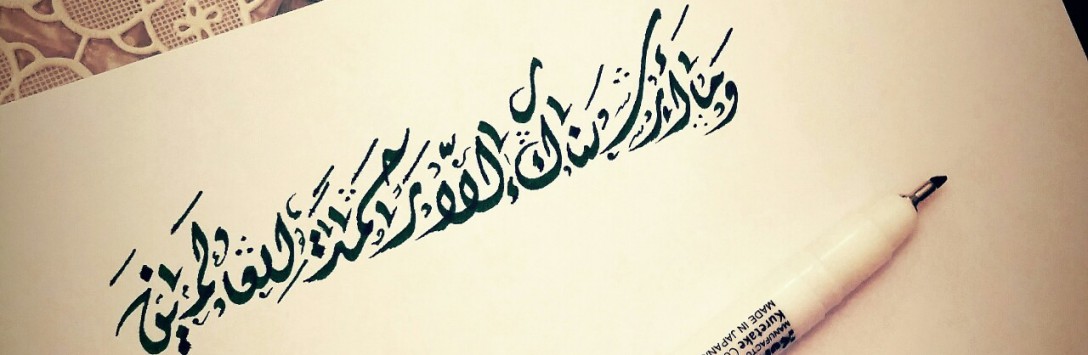
          قال الله سبحانه وتعالى: { وَنُفِخَ فِي الصُّورِ فَصَعِقَ مَنْ فِي السَّمَاوَاتِ وَمَنْ فِي الْأَرْضِ إِلَّا مَنْ شَاءَ اللَّهُ ثُمَّ نُفِخَ فِيهِ أُخْرَى فَإِذَا هُمْ قِيَامٌ يَنْظُرُونَ (68) وَأَشْرَقَتِ الْأَرْضُ بِنُورِ رَبِّهَا وَوُضِعَ الْكِتَابُ وَجِيءَ بِالنَّبِيِّينَ وَالشُّهَدَاءِ وَقُضِيَ بَيْنَهُمْ بِالْحَقِّ وَهُمْ لَا يُظْلَمُونَ (69) وَوُفِّيَتْ كُلُّ نَفْسٍ مَا عَمِلَتْ وَهُوَ أَعْلَمُ بِمَا يَفْعَلُونَ (70) وَسِيقَ الَّذِينَ كَفَرُوا إِلَى جَهَنَّمَ زُمَرًا حَتَّى إِذَا جَاءُوهَا فُتِحَتْ أَبْوَابُهَا وَقَالَ لَهُمْ خَزَنَتُهَا أَلَمْ يَأْتِكُمْ رُسُلٌ مِنْكُمْ يَتْلُونَ عَلَيْكُمْ آَيَاتِ رَبِّكُمْ وَيُنْذِرُونَكُمْ لِقَاءَ يَوْمِكُمْ هَذَا قَالُوا بَلَى وَلَكِنْ حَقَّتْ كَلِمَةُ الْعَذَابِ عَلَى الْكَافِرِينَ (71) قِيلَ ادْخُلُوا أَبْوَابَ جَهَنَّمَ خَالِدِينَ فِيهَا فَبِئْسَ مَثْوَى الْمُتَكَبِّرِينَ (72) وَسِيقَ الَّذِينَ اتَّقَوْا رَبَّهُمْ إِلَى الْجَنَّةِ زُمَرًا حَتَّى إِذَا جَاءُوهَا وَفُتِحَتْ أَبْوَابُهَا وَقَالَ لَهُمْ خَزَنَتُهَا سَلَامٌ عَلَيْكُمْ طِبْتُمْ فَادْخُلُوهَا خَالِدِينَ (73) وَقَالُوا الْحَمْدُ لِلَّهِ الَّذِي صَدَقَنَا وَعْدَهُ وَأَوْرَثَنَا الْأَرْضَ نَتَبَوَّأُ مِنَ الْجَنَّةِ حَيْثُ نَشَاءُ فَنِعْمَ أَجْرُ الْعَامِلِينَ (74) وَتَرَى الْمَلَائِكَةَ حَافِّينَ مِنْ حَوْلِ الْعَرْشِ يُسَبِّحُونَ بِحَمْدِ رَبِّهِمْ وَقُضِيَ بَيْنَهُمْ بِالْحَقِّ وَقِيلَ الْحَمْدُ لِلَّهِ رَبِّ الْعَالَمِينَ } سورة الزمر 68-75.

English Translation:

God the Almighty says in Qur’an: { And the Trumpet (horn) will be blown, and all in the heavens and earth will fall dead except whom God wills. Then it will be blown a second time and behold, they will be standing, looking on.

69. And the earth will shine with the light of its Lord (when He will come to judge among them), the Record (of deeds) will be placed (open) and the Prophets and the witnesses will be brought forward, and it will be judged between them with truth, and they will not be wronged.

  1. And every soul will be fully compensated for what it did; and God is most knowing of what they do.

  1. Then those who disbelieved will be driven to Hell in groups, till, when they reach it, its gates will be opened and its keepers will say, “Did not the Messengers come to you from amongst yourselves, reciting to you the Verses of your Lord and warning you of the Meeting of this Day of yours?” They will say: “Yes, but the Word [i.e., decree] of torment has been justified against the disbelievers!”

  2. It will be said (to them): “Enter you the gates of Hell, to abide eternally therein. And (indeed) what an evil abode for the arrogant!”

  1. But those who feared their Lord will be led to Paradise in groups, till, when they reach it, its gates will be opened and its keepers will say: “Peace be upon you; you have done well; so enter you Paradise to abide eternally therein.”

  2. And they (people of Paradise) will say: “All praises and thanks be to God Who has fulfilled His Promise to us and has made us inherit (this) land so we can dwell in Paradise where we will. And what an excellent reward for the (pious) workers!”

  1. And you will see the angels surrounding the Throne (of God) from all round, glorifying the praises of their Lord. And it will be judged between all the creatures with truth, and it will be said: All praises and thanks be to God, the Lord of the Universe} (Surah 39, verses 68-75).


======================================


A Man from Paradise

(Keywords: Purifying Inner Self, Getting rid of Vices, Mending the Self, Islah Al-Batin)

    عن أنس بن مالك رضي الله عنه قال: ( كنا جلوسا مع رسول الله صَلّى اللهُ عليهِ وسلَّم فقال: « يَطلُعُ الآن عليكم رجلٌ من أهل الجنة»، فطلع رجل من الأنصار تنظُفُ لحيتُه من وضوئه، قد علق نعليه بيده الشمال،  فلما كان الغد قال النبي صَلّى اللهُ عليهِ وسلَّم مثل ذلك، فطلع ذلك الرجل مثل المرة الأولى، فلما كان اليوم الثالث قال النبي صَلّى اللهُ عليهِ وسلَّم مثل مقالته أيضا، فطلع ذلك الرجل على مثل حاله الأول،  فلما قام النبي صَلّى اللهُ عليهِ وسلَّم تبعه عبد الله بن عمرو فقال: إني لاحيتُ (أي خاصمت) أبي، فأقسمت أني لا أدخل عليه ثلاثا، فإن رأيت أن تؤويني إليك حتى تمضي فعلت، قال: نعم، قال أنس: فكان عبد الله يحدث أنه بات معه تلك الثلاث الليالي فلم يره يقوم من الليل شيئا، غير أنه إذا تعارَّ (أي استيقظ) تقلَّب على فراشه ذكر الله عز وجل، وكبر حتى صلاة الفجر. ـ

قال عبد الله : غير أني لم أسمعه يقول إلا خيرا، فلما مضت الثلاث الليالي وكدت أن أحتقر عمله، قلت: يا عبد الله لم يكن بيني وبين أبي غضب ولا هجرة، ولكن سمعت رسول الله صَلّى اللهُ عليهِ وسلَّم يقول لك ثلاث مرات: « يَطلُعُ عليكم الآن رجلٌ من أهل الجنة»، فطلعت أنت الثلاث المرات فأردت أن آوي إليك فأنظر ما عملك فأقتدي بك، فلم أرك عملتَ كبيرَ عملٍ، فما الذي بلغ بك ما قال رسول الله صَلّى اللهُ عليهِ وسلَّم؟  قال: ما هو إلا ما رأيت. فلما وليت دعاني، فقال: ما هو إلا ما رأيت غير أني لا أجد في نفسي لأحد من المسلمين غِشا، ولا أحسُد أحدا على خير أعطاه الله إياه، فقال عبد الله : هذه التي بلغت بك) .  رواه أحمد بإسناد على شرط البخاري ومسلم والنسائي وأبو يعلى والبزار وسمى الرجل المبهم سعدا. ـ

زاد النسائي في رواية له والبيهقي والأصبهاني فقال عبد الله : (هذه التي بلغت بك، وهي التي لا نُطِيق ) . ـ

—————

Narrated Anas Ibn Malik -may God be pleased with him- said: “While we were sitting with the Messenger of God -prayer and peace be upon him, he said: ‘A man from the people of Paradise will come out to you now.’  So a man from the tribe of Al-Ansaar came out, whose beard was dripping from his ablution, and he had hung his shoes in his left hand.

When the following morning came, Prophet Muhammad -prayer and peace be upon him- said the same thing, so the same man came out like the first time.

On the third day, Prophet Muhammad -prayer and peace be upon him- said the same thing again, and the same man came out in the same condition.

When the Prophet -prayer and peace be upon him- left, Abdul-Allah Ibn Amr followed the Ansaari man and said to him: ‘I have quarreled with my father and I have sworn to avoid him for three days, so if you could let me stay with you until they pass.’  He replied: ‘Yes.’

Anas said: Abdul-Allah Ibn Amr related that he slept those three nights in the Ansaari man’s house, and he did not see him praying any voluntary prayers at night.  However, whenever he woke up, he would roll over on his bed and mention God -the Almighty- and say Allahu akbar (God is the Greatest) until the dawn prayer.

Abdul-Allah Ibn Amr said: ‘But I only heard him speaking good.  And when the three nights had passed and I almost scorned his deed, I said to him: O Abdul-Allah, there was not any quarrel or abandonment between my father and me, but I heard the Messenger of God -prayer and peace be upon him- saying three times about you: `A man from the people of Paradise will come out to you now,`  and you came out on the three times.  So I wanted to stay with you to find about your deed, and do likewise.  But I haven’t seen you doing any great deed, so what made you reach what the Messenger of God -prayer and peace be upon him- had mentioned.’  He replied: ‘I have nothing except what you saw.’  As I was leaving, he called me back and said: ‘I have nothing except what you saw, but I do not find within myself any deceitfulness for any of the Muslims, and I do not feel jealous toward anyone for any good that God has granted him.’

So Abdul-Allah Ibn Amr said: ‘This is what made you reach that degree.’ ”  And in another narration: “Abdul-Allah said: ‘This is what made you reach that degree, and it is what we cannot bear doing.’ ”   Related by Imam Ahmad with a narration based on Al-Bukhari and Imam Muslim, and Al-Nasa’ee, Al-Beihaqi, Abu Ya’la, Al-Asbahani, and Al-Bazzar (Who named the obscure man: Sa’ad).

—-

          Islam places great emphasis on righteousness and piety.  The Muslim is commanded to obey God, by doing what God has obligated and staying away from what God has forbidden.  Thus, the Muslim is instructed to do all obligatory deeds (wajibat) and refrain from sins and misdeeds.

But beside paying attention to outer deeds and action, Islam has placed great emphasis on purifying the inner self as well.  So while it is important to engage in worship and avoid all sins with the limbs, it is equally important to work on the inner heart and try to adorn the self with good traits like modesty, generosity, forgiveness and the like, and to rid the inner self of vices like pride, jealousy, cheating, etc.

The Muslim does not attain full Faith (Iman) until he mends both his outer and inner self.  The Muslim should be concerned with his outer action by trying to obey God in all of his action, but the Muslim should also be concerned with his inner self and try to adorn it with good traits and try to rid the inner self of vices.

Once the Muslim mends his inner and outer self, then he would attain full Faith (Iman) and will get higher grades in Paradise.  Therefore, Prophet Muhammad -prayer and peace be upon him- pointed to the same man as being ‘a man from Paradise’ for three consecutive days. 

And when Abdul-Allah Ibn Amr stayed with the same man for three days, he couldn’t detect any extra worship or many good voluntary deeds.  But when Abdul-Allah asked him directly, the man denied anything at first, but as Abdul-Allah was leaving, he casually enlightened about the real reason. 

The man said that he doesn’t find in himself any ill-feelings for others.  In other words, he had purified his inner self.  So not only did he obey God outwardly, but he also mended his inner self, so it was adorned with modesty (as seen from his denial of being good), generosity (as seen from his welcoming Abdul-Allah as a guest for three days), and piety (as seen from his avoidance of sins). 

Furthermore, the man had purified his inner self of vices so he stated that he didn’t have any ill-feelings for others.  Abdul-Allah Ibn Amr got the message and exclaimed: Then that was why the Messenger of Allah declared you to be a man from Paradise for three consecutive days.

Then, the Muslim is advised to try to obey God by doing good deeds and avoid sins, but also by trying to mend his inner self by adorning it with good traits and ridding it of vices.  And God and His Messenger know best.


======================================


The Best Nation

 (Keywords: Enjoining Good and Forbidding Evil, Approving and Supporting Public Good, Disapproving and Discouraging Public Evil, Spread of Evil, Widespread Sins)

قال الله سبحانه وتعالى: {كُنْتُمْ خَيْرَ أُمَّةٍ أُخْرِجَتْ لِلنَّاسِ تَأْمُرُونَ بِالْمَعْرُوفِ وَتَنْهَوْنَ عَنِ الْمُنْكَرِ وَتُؤْمِنُونَ بِاللَّهِ} سورة آل عمران 110. ـ

  قال ابن كثير في تفسيره: ( {كنتم خير أمة أخرجت للناس تأمرون بالمعروف وتنهون عن المنكر وتؤمنون بالله} فمن اتصف من هذه الأمة بهذه الصفات دخل معهم في هذا الثناء عليهم والمدح لهم ، كما قال قتادة: بلغنا أن عمر بن الخطاب رضي الله عنه في حجَّة حجَّها رأى من الناس سرعة، فقرأ هذه الآية: {كنتم خير أمة أخرجت للناس} ثم قال: من سره أن يكون من تلك الأمة فليؤد شرط الله فيها. رواه ابن جرير . ـ
ومن لم يتصف بذلك أشبه أهل الكتاب الذين ذمهم الله بقوله: {كانوا لا يتناهون عن منكر فعلوه لبئس ما كانوا يفعلون} [المائدة، 79]). انتهى. ـ

English Translation:

God the Almighty says in Qur’an: {You are the best nation ever raised up for mankind; you enjoin Good and forbid Evil, and you believe in God} (Surah 3, verse 110).

Ibn Katheer said in his Exegesis: “{You are the best nation ever raised up for mankind; you enjoin Good and forbid Evil, and you believe in God}. Therefore, whoever among this nation acquires these qualities, will be included in this praise.

The scholar Qatadah said: ‘We were told that Omar Ibn Al-Khattab while performing Hajj once, saw some people rushing, so he recited this verse and then said: `Whoever likes to be among the mentioned nation, then let him fulfill the condition that God has set in it.`’  Related by Ibn Jarir.

But those from this nation who do not acquire these qualities will be just like the People of the Scriptures whom God criticized in His verse: {They used not to forbid one another from the evil which they committed} (Surah 5, verse 79).”


The Almighty God has described this nation as the best nation among all nations, and then stated three reasons for that favor.  It is true that the nation of Prophet Muhammad is the last nation, but it is the most favored one.  The three reasons for that favor mentioned in the verse are: First, they are firm believers in God as One and the Only God worthy of worship alone with no partners or equal, and they are firm believers in His Divine Message which He sent to His messengers and Prophets, including the last Prophet, Muhammad.  Second, they do righteous and enjoin good.  And third, they refrain from evil and sins themselves and prohibit others from doing them.

It was God’s great mercy upon this nation that He made it the last but the greatest in reward.  Not only that, but this nation has been favored with many attributes that previous nations haven’t been favored with.  The message of Prophet Muhammad is general to all mankind, while other prophets were sent to specific people; the reward of a good deed is multiplied ten times while the sin is considered one misdeed for this nation; the knowledge granted to this nation encompasses all previous Scriptures, such that Islam explains everything so clearly and logically that no confusions or doubts remain; the gate of Repentance has been left wide open for this nation till the soul reaches the throat; this nation constitutes two thirds of the people of Paradise; and last but not least Prophet Muhammad -prayer and peace be upon him- would intercede for this great nation on the Day of Judgment.  Prophet Muhammad alluded to this favor in the following hadith:

       عن ‏حَكِيمِ بْنِ مُعَاوِيَةَ عن ‏أَبِيهِ أَنَّ رَسُولَ اللَّهِ ‏صَلّى اللهُ عليهِ وسلَّم قَالَ: « أَنْتُمْ تُوَفُّون سَبْعِينَ أُمَّةً، أَنْتُمْ خَيْرُهَا، وَأَنْتُمْ أَكْرَمُ عَلَى اللهِ عَزَّ وَجَل».  رواه الترمذي وابن ماجه والحاكم وأحمد وإسناده حسن. ـ

Narrated Hakeem Ibn Mu’awiyah, narrated his father that the Messenger of God (Muhammad) -prayer and peace be upon him- said: “You are the final of seventy nations, you are the best and most honored among them to God.”  Related by At-Tirmidhi, Ibn Majah, and Al-Hakim, and Ahmad.  (Hasan).

           However, the distinction of being the best nation comes with certain conditions and terms, chief among them are the three conditions mentioned in the verse.  Muslims would be favored if: 1) they truly believe in God and His Messengers, and act righteous by 2) enjoining good and doing it and 3) forbidding evil and sins and staying away from them.  Only if they fulfill these conditions, would they be considered the best nation.  But if they do not, then they are just like other creatures of God.  God -the Exalted- said in another verse:

قال الله عز وجل: وَقَالَتِ الْيَهُودُ وَالنَّصَارَىٰ نَحْنُ أَبْنَاءُ اللَّهِ وَأَحِبَّاؤُهُ قُلْ فَلِمَ يُعَذِّبُكُم بِذُنُوبِكُم بَلْ أَنتُم بَشَرٌ مِّمَّنْ خَلَقَ يَغْفِرُ لِمَن يَشَاءُ وَيُعَذِّبُ مَن يَشَاءُ وَلِلَّهِ مُلْكُ السَّمَاوَاتِ وَالْأَرْضِ وَمَا بَيْنَهُمَا وَإِلَيْهِ الْمَصِيرُ} سورة المائدة، 18. ـ

   God the Almighty says in Qur’an: { The Jews and the Christians say: ‘We are the children of God and His loved ones.’ Say: ‘Why does He punish you for your sins then! Nay, you are but human beings of those He has created; He forgives whom He wills and He punishes whom He wills. And to God belongs the dominion of the heavens and the earth and all that is between them; and to Him is the final return (of all)} (Surah 5, verse 18).

   Ibn Katheer said: “Meaning, if you were truly God’s children and loved ones as you claim, then why did He prepare the Fire because of your disbelief, lies and false claims.

{Nay, you are but human beings, of those He has created}, God states: You are just like the rest of the children of Adam, and God is the Lord of all His creation.

{He forgives whom He wills and punishes whom He wills}:  God does what He wills, there is none who can escape His judgment, and He is swift in reckoning.

{And to God belongs the dominion of the heavens and the earth and all that is between them}: Therefore, everything is God’s property and under His power and control.

{And to Him is the return}: In the end, the return will be to God and He will judge between His servants as He will, and He is the Most Just Who is never wrong in His judgment). End Quote.

The same rule applies to this nation, if they believe in God and act righteous then they are favored and would be considered the best nation; but if they stray away from religion, stop acting righteous by accepting public sins then that favor is no longer in place, and they may be punished.

          Islam emphasizes enjoining good and forbidding evil as an important check and curb for committing sins individually and the spread of evil and sins in society.  The concept of Public Shame is an important concept that helps keep society in check and saves it from straying from morality and descending into immorality.  Furthermore, the concept of Public Shame saves society from accepting decadence and loss of principles and ideals that continually erode with time.  As every generation passes on, some of its principles and ideals are lost as the new generation adopts new and oftentimes more bold and immoral practices and traditions.

          Therefore, Islam has prescribed the concept of enjoining good and forbidding evil in order to develop a sense of self-righteousness in the individual himself, and develop abhorrence and intolerance of public evil.  This in turn would create a society of moral and righteous people who not only care about their own family’s well-being, but also about the well-being of their neighbors and the whole society.  The end result is a peaceful and loving society that adheres to religious values and is characterized by morality and a high code of ethics.

           On the other hand, when people see evil and think nothing of it; when evil spreads among a community and people say nothing about it; and when most people get engaged in that evil with no objection or censure, then that community is at risk of punishment in one form or another.

Indeed, God the Almighty gives us many examples of some past communities that engaged in public sins and were therefore destroyed.  God the Almighty says in Qur’an:

  قال الله عز وجل: { الْحَاقَّةُ (1) مَا الْحَاقَّةُ (2) وَمَا أَدْرَاكَ مَا الْحَاقَّةُ (3) كَذَّبَتْ ثَمُودُ وَعَادٌ بِالْقَارِعَةِ (4) فَأَمَّا ثَمُودُ فَأُهْلِكُوا بِالطَّاغِيَةِ (5) وَأَمَّا عَادٌ فَأُهْلِكُوا بِرِيحٍ صَرْصَرٍ عَاتِيَةٍ (6) سَخَّرَهَا عَلَيْهِمْ سَبْعَ لَيَالٍ وَثَمَانِيَةَ أَيَّامٍ حُسُومًا فَتَرَى الْقَوْمَ فِيهَا صَرْعَى كَأَنَّهُمْ أَعْجَازُ نَخْلٍ خَاوِيَةٍ (7) فَهَلْ تَرَى لَهُمْ مِنْ بَاقِيَةٍ (8) وَجَاءَ فِرْعَوْنُ وَمَنْ قَبْلَهُ وَالْمُؤْتَفِكَاتُ بِالْخَاطِئَةِ (9) فَعَصَوْا رَسُولَ رَبِّهِمْ فَأَخَذَهُمْ أَخْذَةً رَابِيَةً (10) إِنَّا لَمَّا طَغَى الْمَاءُ حَمَلْنَاكُمْ فِي الْجَارِيَةِ (11) لِنَجْعَلَهَا لَكُمْ تَذْكِرَةً وَتَعِيَهَا أُذُنٌ وَاعِيَةٌ } سورة الحاقة 1-12. ـ

 God the Almighty says in Qur’an: { 1. The Inevitable Reality (i.e. the Day of Resurrection)!  2. What is the Inevitable Reality? 3. And what will make you know what the Inevitable Reality is?

  1. The People of Thamood and Aad denied the striking Hour (i.e., Resurrection).
  2. As for Thamood, they were destroyed by the awful blast!
  3. And as for Aad, they were destroyed by a furious violent wind;
  4. Which God imposed on them for seven nights and eight days in succession, so you could see men lying overthrown (destroyed), as if they were hollow trunks of date-palms.
  5. Do you see any remnants of them?
  6. And there came Pharaoh, those before him, and the overturned Cities (i.e., the towns of the people of Lout (Lot), all committed sin.
  1. They disobeyed the messenger of their Lord, so He punished them with a strong punishment.
  2. Verily, when the water rose beyond its limits (Noah Flood), We carried you (mankind) in the floating (ship that was constructed by Noah).
  3. That We might make it for you a reminder and [that] a heedful ear would take heed} (Surah 69, verses 1-12).

    Then, Muslims are commanded to enjoin good and act upon it; and forbid evil and sins and refrain from it to avoid a similar fate like of those before us.  Not only that, but we have been warned time and again that when sins become widespread and Public Shame is lost, then punishment descends in one form or another.  Prophet Muhammad warned us of the consequences of five sins if they become widespread:

عَنْ عَبْدِ اللَّهِ بْنِ عُمَرَ، قَالَ: أَقْبَلَ عَلَيْنَا رَسُولُ اللَّهِ صلى الله عليه وسلم فَقَالَ: «‏ يَا مَعْشَرَ الْمُهَاجِرِينَ خَمْسٌ إِذَا ابْتُلِيتُمْ بِهِنَّ وَأَعُوذُ بِاللَّهِ أَنْ تُدْرِكُوهُنَّ: لَمْ تَظْهَرِ الْفَاحِشَةُ فِي قَوْمٍ قَطُّ حَتَّى يُعْلِنُوا بِهَا إِلاَّ فَشَا فِيهِمُ الطَّاعُونُ وَالأَوْجَاعُ الَّتِي لَمْ تَكُنْ مَضَتْ فِي أَسْلاَفِهِمُ الَّذِينَ مَضَوْا،‏ وَلَمْ يَنْقُصُوا الْمِكْيَالَ وَالْمِيزَانَ إِلاَّ أُخِذُوا بِالسِّنِينَ وَشِدَّةِ الْمَؤُنَةِ وَجَوْرِ السُّلْطَانِ عَلَيْهِمْ،‏ وَلَمْ يَمْنَعُوا زَكَاةَ أَمْوَالِهِمْ إِلاَّ مُنِعُوا الْقَطْرَ مِنَ السَّمَاءِ وَلَوْلاَ الْبَهَائِمُ لَمْ يُمْطَرُوا، وَلَمْ يَنْقُضُوا عَهْدَ اللَّهِ وَعَهْدَ رَسُولِهِ إِلاَّ سَلَّطَ اللَّهُ عَلَيْهِمْ عَدُوًّا مِنْ غَيْرِهِمْ فَأَخَذُوا بَعْضَ مَا فِي أَيْدِيهِمْ،‏ وَمَا لَمْ تَحْكُمْ أَئِمَّتُهُمْ بِكِتَابِ اللَّهِ وَيَتَخَيَّرُوا مِمَّا أَنْزَلَ اللَّهُ إِلاَّ جَعَلَ اللَّهُ بَأْسَهُمْ بَيْنَهُمْ».  رواه ابن ماجه. ـ

     Narrated Abdul-Allah Ibn Omar said: “Prophet Muhammad -prayer and peace be upon him- once turned to us and said: ‘O Group of the Migrants (Muhajireen), there are five things with which you will be tested, and I seek refuge with God lest you live to see them:

Immorality never appears among a people to such an extent that they commit it openly, but plagues and diseases that were never known among their predecessors will spread among them.

They do not cheat in weights and measures but they will be stricken with famine, severe calamity and the oppression of their rulers.

They do not withhold the obligatory charity (Zakah) of their wealth, but rain will be withheld from the sky, and were it not for the animals, no rain would fall on them.

They do not break their covenant with God and His Messenger, but God will enable their enemies to overpower them and take some of what is in their hands. 

And unless their leaders rule according to the Book of God and seek all good from that which God has revealed, God will cause them to fight one another.’ ”  Related by Ibn Majah.

Finally, Prophet Muhammad taught us to enjoin good and forbid evil, he taught us to encourage good and support it, and he taught us to abhor evil and try to prevent it.  He described enjoining good and liking it in public, and forbidding evil and disliking it in public as a sign of inner faith:

    عن أبي سعيد الخدري رضي الله عنه قال: سمعتُ رسولَ الله صَلّى اللهُ عليهِ وسلَّم يقول: « مَنْ رَأَى مِنْكُم مُنْكراً فَلْيغيِّرْهُ بِيَدهِ، فَإِنْ لَمْ يَسْتَطعْ فَبِلِسَانِهِ، فَإِنْ لَمْ يَسْتَطِعْ فَبقَلبهِ وَذَلَكَ أَضْعَفُ الإِيمَانِ» .  رواه مسلم والترمذي وابن ماجه والنسائي. ـ

        Narrated Abu Sa’eed Al-Khudri -may God be pleased with him- said: “I heard Prophet Muhammad -prayer and peace be upon him- say: ‘Whoever amongst you witnesses an evil, then let him change it with his hand. If he is unable, then let him change it with his tongue. And if he is unable then let him change it with his heart, and that is the weakest of faith.’”

And in another narration: “There is no faith beyond that, not even the weight of a mustard seed.”  Related by Muslim, Al-Tirmidhi, Ibn Majah and An-Nasa’i.

Furthermore, we have been warned of the severe consequences of accepting sins and thinking nothing of it, or seeing sins and doing nothing about it:

        وعن عائشة رضي الله عنها قالت: ( دخلَ عَلَيَّ النَّبِيُّ صَلّى اللهُ عليهِ وسلَّم، فعرفتُ في وجهه أن قد حضره شيءٌ، فتوضأ وما كلم أحداً، فلصقتُ بالحجرة أستمعُ ما يقول، فقعدَ على المنبرِ فحَمِدَ اللهَ وأَثْنَى عليهِ، وقال: « يَا أَيُّهَا النَّاسُ إِنَّ اللَّهَ يَقُولُ لكم: مُرُوا بِالمَعْرُوفِ وَانْهَوْا عَنِ المُنْكَرِ مِنْ قَبْلِ أَنْ تَدْعُوا فَلَا أُجِيبُ لَكُمْ، وَتَسْأَلُونِي فَلَا أُعْطِيكُم،ْ وَتَسْتَنْصِرُونِي فَلَا أَنْصُرُكُمْ» ، فما زاد عليهن حتى نزل) .  رواه ابن ماجه وابن حبان. ـ

   Narrated Aishah -may God be pleased with her- said: “The Prophet -prayer and peace be upon him- once came inside the house, and it was evident from his face that he was concerned about something.  He performed ablution (wudu’) without talking to anybody and then went to the mosque. I stood close to the wall to carefully listen to what he was going to say.  The Prophet -prayer and peace be upon him- sat at the pulpit, praised and extolled God, and then said:

‘O People, God says to you: Enjoin others to do good and forbid others from evil; otherwise a time will come when you pray but I will not answer you, ask Me for your needs but I will not grant them to you; and seek My assistance against your enemies, but I will not assist you.’   The Prophet prayer and peace be upon him- did not add anything further but came down from the pulpit.’ ”  Related by Ibn Majah and Ibn Hibban.

   Once the Muslim adheres to these three conditions; namely the firm belief in God and His Messengers, enjoining good and acting on it, and forbidding evil and staying away from it, then s/he would be included in the highly praised, favored last nation, and his reward would be multiplied many-folds.  Furthermore, he would be among the first to enter Paradise as Prophet Muhammad mentioned:

‏   وعن ‏أَبِي هُرَيْرَةَ رضي الله عنه‏ ‏قال: قَالَ رَسُولُ اللَّهِ ‏صَلّى اللهُ عليهِ وسلَّم: « نَحْنُ الْآخِرُونَ الأَوَّلُونَ يَوْمَ الْقِيَامَةِ، وَنَحْنُ أَوَّلُ مَنْ يَدْخُلُ الْجَنَّةَ».  متفق عليه. ـ

    Narrated Abu Hurairah -may God be pleased with him- that the Messenger of God -prayer and peace be upon him-said: “We (Muslims) are the last (to come), but (will be) the foremost on the Day of Judgment, and will be the first people to enter Paradise.”  Related by Al-Bukhari and Imam Muslim.


Then, the sensible should know that this nation is the best nation and most favored one among all nations, but there are certain conditions that must be met.  Chief among these conditions are: 1) the firm belief in God as the Only God worthy of worship and the firm belief in his prophets and messengers, and acting righteous by 2) enjoining good and doing it and 3) forbidding evil and sins and refraining from them.  Only if the Muslim fulfills these conditions, he would be considered among the best nation.  But if the Muslim community does not adhere to these conditions, then it is just like other creatures of God, whom He either punishes or forgives.  We ask God for His Guidance, Forgiveness and Mercy.

=================================================

==========================================

Second Coming of Jesus Christ in Islam

       عَن النَّواس بنِ سَمْعانَ رضي اللَّه عَنْهُ قالَ : ذَكَرَ رَسُولُ اللَّهِ صَلّى اللهُ عليهِ وسلَّم الدَّجَّالَ ذَاتَ غَدَاةٍ، فَخَفَّض فِيهِ وَرَفَع حَتَّى ظَنَناه في طَائِفَةِ النَّخْلِ. فَلَمَّا رُحْنَا إلَيْهِ، عَرَفَ ذلكَ فِينَا فقالَ: « ما شأنكم؟» قُلْنَا: يَارَسُولَ اللَّهِ ذَكَرْتَ الدَّجَّال الْغَدَاةَ، فَخَفَّضْتَ فِيهِ وَرَفَعْتَ، حَتَّى ظَنَنَّاه في طَائِفةِ النَّخْلِ فقالَ: « غَيْرُ الدَّجَالِ أخْوفَني عَلَيْكُمْ، إنْ يخْرجْ وأنآ فِيكُمْ فَأنَا حَجِيجُه دونَكُمْ، وَإنْ يَخْرجْ وَلَسْتُ فِيكُمْ فكلُّ امريءٍ حَجيجُ نَفْسِهِ، واللَّه خَليفَتي عَلى كُلِّ مُسْلِمٍ . إنَّه شَابٌ قَطَطٌ عَيْنُهُ طَافِيَةٌ، كأَنَّي أشَبِّهُه بعَبْدِ الْعُزَّى بن قَطَنٍ، فَمَنْ أدْرَكَه مِنْكُمْ فَلْيَقْرَأْ عَلَيْهِ فَوَاتِحَ سُورةِ الْكَهْفِ، إنَّه خَارِجٌ خَلَّةً بَينَ الشَّامِ وَالْعِرَاقِ، فَعَاثَ يمِيناً وَعاثَ شمالاً، يَا عبَادَ اللَّه فَاثْبُتُوا».

قُلْنَا يا رسول اللَّه ومَالُبْثُه في الأرْضِ؟ قالَ: « أرْبَعُون يَوْماً: يَوْمٌ كَسَنَةٍ، وَيَوْمٌ كَشَهْرٍ، وَيوْمٌ كجُمُعَةٍ، وَسَائِرُ أيَّامِهِ كأَيَّامِكُم» .  قُلْنَا: يا رَسُول اللَّه، فَذلكَ الْيَوْمُ الَّذِي كَسَنَةٍ أتكْفِينَا فِيهِ صلاةُ يَوْمٍ؟ قال: « لا، اقْدُرُوا لَهُ قَدْرَهُ» .

قُلْنَا: يَارَسُولَ اللَّهِ وَمَا إسْراعُهُ في الأرْضِ؟ قالَ: « كَالْغَيْث استَدبَرَتْه الرِّيحُ، فَيَأْتي على الْقَوْم فَيَدْعُوهم، فَيؤْمنُونَ بِهِ ويَسْتجيبون لَهُ فَيَأمُرُ السَّماءَ فَتُمْطِرُ والأرْضَ فَتُنْبِتُ، فَتَرُوحُ عَلَيْهمْ سارِحتُهُم أطْوَلَ مَا كَانَتْ ذُرى وَأسْبَغَه ضُرُوعاً وأمَدَّهُ خَواصِرَ، ثُمَّ يَأْتي الْقَوْمَ فَيَدْعُوهم ، فَيَرُدُّون عَلَيهِ قَوْلهُ فَيَنْصَرف عَنْهُمْ، فَيُصْبحُون مُمْحِلينَ لَيْسَ بأيْدِيهم شَيءٌ منْ أمْوالِهم، وَيَمُرُّ بِالخَربَةِ فَيقول لَهَا: أخْرجِي كُنُوزَكِ، فَتَتْبَعُه كُنُوزُهَا كَيَعَاسِيب النَّحْلِ. ثُّمَّ يدْعُو رَجُلاً مُمْتَلِئاً شَباباً فَيضْربُهُ بالسَّيْفِ فَيَقْطَعهُ جِزْلَتَيْن رَمْيَةَ الْغَرَضِ، ثُمَّ يَدْعُوهُ فَيُقْبِلُ، وَيَتَهلَّلُ وجْهُهُ يَضْحَكُ .

فَبَينَما هُو كَذلكَ إذْ بَعَثَ اللَّه تَعَالى المسِيحَ ابْنَ مَرْيم صَلّى اللهُ عليهِ وسلَّم، فَيَنْزِلُ عِنْد المَنَارَةِ الْبَيْضـَآءِ شَرْقيَّ دِمَشْقَ بَيْنَ مَهْرُودتَيْنِ، وَاضعاً كَفَّيْهِ عَلى أجْنِحةِ مَلَكَيْنِ، إذا طَأْطَأَ رَأسهُ قَطَرَ وإذا رَفَعَهُ تَحدَّر مِنْهُ جُمَانٌ كَاللُّؤلُؤ، فَلا يَحِلُّ لِكَافِر يَجِدُّ ريحَ نَفَسِه إلاَّ مات، ونَفَسُهُ يَنْتَهِي إلى حَيْثُ يَنْتَهِي طَرْفُهُ، فَيَطْلُبُه حَتَّى يُدْرِكَهُ بَباب لُدٍّ فَيَقْتُلُه. ثُمَّ يأتي عِيسَى صَلّى اللهُ عليهِ وسلَّم قَوْماً قَدْ عَصَمَهُمُ اللَّه مِنْهُ، فَيَمْسَحُ عنْ وُجوهِهِمْ، ويحَدِّثُهُم بِدرَجاتِهم في الجنَّةِ .

فَبَينَما هُوَ كَذلِكَ إذْ أوْحَى اللَّه تَعَالى إلى عِيسى صَلّى اللهُ عليهِ وسلَّم أنِّي قَدْ أَخرَجتُ عِبَاداً لي لا يدانِ لأحَدٍ بقِتَالهمْ، فَحَرِّزْ عِبادي إلى الطُّورِ، وَيَبْعَثُ اللَّه يَأْجُوجَ ومَأجوجَ وَهُمْ مِنْ كُلِّ حَدِبٍ يَنْسلُون، فيَمُرُّ أوَائلُهُم عَلى بُحَيْرةِ طَبرِيَّةَ فَيَشْرَبون مَا فيهَا، وَيمُرُّ آخِرُهُمْ فيقولُونَ: لَقَدْ كَانَ بهَذِهِ مرَّةً ماءٌ.  وَيُحْصَرُ نبي اللَّهِ عِيسَى صَلّى اللهُ عليهِ وسلَّم وَأصْحَابُهُ حَتَّى يكُونَ رأْسُ الثَّوْرِ لأحدِهمْ خيْراً منْ مائَةِ دِينَارٍ لأحَدِكُمُ الْيَوْمَ، فَيرْغَبُ نبي اللَّه عِيسَى صَلّى اللهُ عليهِ وسلَّم وأَصْحَابُه رضي اللَّه عَنْهُمْ إلى اللَّهِ تَعَالى، فَيُرْسِلُ اللَّه تَعَالى عَلَيْهِمْ النَّغَفَ في رِقَابِهِم، فَيُصبحُون فَرْسى كَموْتِ نَفْسٍ وَاحِدَةٍ، ثُمَّ يهْبِطُ نبي اللَّه عيسى صَلّى اللهُ عليهِ وسلَّم وَأصْحابهُ رضي اللَّه عَنْهُمْ إلى الأرْضِ فَلاَ يَجِدُون في الأرْضِ مَوْضِعَ شِبْرٍ إلاَّ مَلأهُ زَهَمُهُمْ وَنَتَنُهُمْ ، فَيَرْغَبُ نبي اللَّه عِيسَى صَلّى اللهُ عليهِ وسلَّم وَأصْحابُهُ رضي اللَّه عَنْهُمْ إلى اللَّه تَعَالَى، فَيُرْسِلُ اللَّه تَعَالى طيْراً كَأعْنَاقِ الْبُخْتِ فَتحْمِلُهُمْ، فَتَطرَحُهم حَيْتُ شَآءَ اللَّه، ثُمَّ يُرْسِلُ اللَّه عَزَّ وجَلَّ مـطَراً لا يَكِنُّ مِنْهُ بَيْتُ مَدَرٍ ولا وَبَرٍ، فَيَغْسِلُ الأرْضَ حَتَّى يَتْرُكَهَا كالزَّلَقَةِ.  

ثُمَّ يُقَالُ لِلأرْضِ: أنْبِتي ثَمرَتَكِ ورُدِّي برَكَتَكِ، فَيَوْمئِذٍ تأكُلُ الْعِصَابَة مِن الرُّمَّانَةِ وَيسْتظِلون بِقِحْفِهَا، وَيُبارَكُ في الرِّسْلِ حَتَّى إنَّ اللَّقْحَةَ مِنَ الإبِلِ لَتَكْفي الفئَامَ مِنَ النَّاس، وَاللَّقْحَةَ مِنَ الْبَقَرِ لَتَكْفي الْقَبِيلَةَ مِنَ النَّاس، وَاللَّقْحَةَ مِنَ الْغَنمِ لَتَكْفي الفَخِذَ مِنَ النَّاس.

فَبَيْنَمَا هُمْ كَذَلِكَ إذْ بَعَثَ اللَّه تَعالَى رِيحاً طَيِّبَةً، فَتأْخُذُهم تَحْتَ آبَاطِهِمْ، فَتَقْبِضُ رُوحَ كُلِّ مُؤمِن وكُلِّ مُسْلِمٍ، وَيبْقَى شِرَارُ النَّاسِ يَتهَارجُون فِيهَا تَهَارُج الْحُمُرِ فَعَلَيْهِم تَقُومُ السَّاعَةُ». رواهُ مسلم والترمذي وابن ماجه وأحمد.  


——————————————–


English Translation:


         An-Nawwas Ibn Sam’an said: “Prophet Muhammad, peace and blessings be upon him, made a mention of the Anti-Christ (Al-Dajjal) one day in the morning. He sometimes described him to be insignificant and sometimes described (his turmoil) as very significant (and we felt) as if he were in the cluster of the date-palm trees.

   When we went to the Holy Prophet -prayer and peace be upon him- in the evening, he read (the signs of fear) in our faces, so asked: ‘What is the matter with you?’  We said: ‘O Messenger of God, you made a mention of Anti-Christ (Al-Dajjal) in the morning, (sometimes describing him) to be insignificant and sometimes very important, until we began to think as if he were present in a nearby cluster of date palm trees.’ 

Thereupon Prophet Muhammad -prayer and peace be upon him- said:

 ‘I harbor more fear for you in other things besides the Anti-Christ (Al-Dajjal).  If he comes forth while I am among you, I shall contend with him on your behalf, but if he comes forth while I am not among you, everyone must contend on his own behalf and God would take care of every Muslim on my behalf (and safeguard him against that his evil). 

  The Anti-Christ (Al-Dajjal) is a young man with twisted, contracted hair, and a blind eye.  I compare him to Abdul-‘Uzza Ibn Qatan. Those among you who survive to see him should recite over him the opening verses of Surah Al-Kahf (Surah 18). The Anti-Christ (Al-Dajjal) will appear on the way between Syria and Iraq and would spread mischief right and left.  O servants of God, adhere (to the path of Truth).

   We said: ‘O Messenger of God, how long will he stay on the earth?’  The Prophet, peace and blessings be upon him, replied: ‘For forty days: of which one day will be like a year, one day like a month, one day like a week, and the rest of the days will be like your regular days.’  We said: ‘O Messenger of God, would one day’s prayer suffice for the prayers of that day equal to one year?’ Thereupon he said: ‘No, but you must make an estimate of time (and then observe prayer).’

   We asked: ‘O Messenger of God, how quickly will he walk upon the earth?’  Thereupon the Holy Prophet said: ‘Like a cloud driven by the wind. He will come to the people and invite them (to a wrong religion) and they will affirm their faith in him and respond to him.  He will then give command to the sky and there will be rainfall upon the earth and it will grow crops. Then, in the evening, their posturing animals would come to them with their humps very high, their udders full of milk and their flanks stretched. He will then come to another people and invite them. But they will reject him and he will go away from them, and there will be drought for them and nothing would be left with them in the form of wealth. He will also walk through the waste land and say to it: ‘Bring forth your treasures’, and the treasures would come out and collect (themselves) before him like the swarm of bees.

  He will then call a person brimming with youth and strike him with the sword and cut him into two pieces and (make these pieces lie at a distance which is generally) between the archer and his target.  He will then call (that young man) and he will come forward laughing with his face gleaming (with happiness).

And it will be at this very time that God will send Jesus Christ (Isa), the son of Mary. Jesus will come down at the white minaret in the eastern side of Damascus wearing two garments lightly dyed with saffron, and placing his hands on the wings of two Angels. When Jesus Christ (Isa) will lower his head, there will fall beads of perspiration from his head, and when he will raise it up, beads like pearls will scatter from it. Every non-believer who would smell the odor of his self (Jesus) will die, and Jesus’s breath will reach as far as he will be able to see.


Jesus Christ (Isa) will then search for the Anti-Christ (Al-Dajjal) until he will catch hold of him at the gate of Ludd and kill him.  Then a group of people whom God had protected would come to Jesus, the son of Mary, and he will wipe their faces and inform them of their ranks in Paradise.

  And it will be under such conditions that God would reveal to Jesus these words: `I have brought forth from among My servants such people against whom none would be able to fight; so take my servants safely to Tur.`

   And then God will send Gog and Magog (Ya’jooj wa Ma’jooj) and they will swarm down from every slope. The first of them will pass the lake of Tibering and drink out of it.  And when the last of them will pass, he would say: There was once water there.

 Jesus and his companions will then be besieged here (at Tur, and they will be so hard pressed) that the head of the ox would be dearer to them than one hundred dinars.  God’s Prophet, Jesus, and his companions will supplicate to God, Who will send against Gog and Magog insects (that will attack their necks) and in the morning they will perish like one single person. God’s Prophet, Jesus, and his companions will then come down to the earth and they will not find in the earth as much space as a single span that is not filled with their putrefaction and stench. God’s Prophet, Jesus, and his companions will then again beseech God, Who will send birds whose necks will be like those of Bactrin camels and they will carry them and throw them where God wills. Then God will send rain which no house of clay or (the tent of) camels’ hairs would keep out and it will wash away the earth until it could appear to be like a mirror.

   Then the earth will be told to bring forth its fruit and restore its blessing.  As a result, there will grow (such a big) pomegranate that a group of persons will be able to eat from it and seek shelter under its skin, and a milch cow would give so much milk that a whole party would be able to drink it. And the milch camel would give such (a large quantity of) milk that the whole tribe would be able to drink out of that. And the milch sheep would give so much milk that the whole family would be able to drink out of that.

   At that time God would send a pleasant wind which would soothe (people) from under their armpits, and would take the life of every Muslim.  Only the wicked would survive who would commit adultery openly like donkeys, and the Last Hour would come upon them.’ ”  Related by Imam Muslim, Ibn Majah, Al-Tirmidhi, and Imam Ahmad.


======================================


Guarding Chastity and Staying away from adultery (Zina)

      عن أبي هُريْرةَ رضي اللَّه عنْهُ عنِ النبيِّ صَلّى اللهُ عليهِ وسلَّم قَال: « كُتِبَ على ابْنِ آدَمَ نَصِيبُهُ مِنَ الزِّنَا مُدْرِكٌ ذَلِكَ لا مَحَالَةَ: العَيْنَانِ زِنَاهُمَا النَّظَرُ، والأُذُنَانِ زِنَاهُما الاسْتِماعُ، واللِّسَانُ زِنَاهُ الكَلامُ، وَاليَدُ زِنَاهَا البَطْشُ، والرِّجْلُ زِنَاهَا الخُطَا، والقَلْب يَهْوَى وَيَتَمنَّى، ويُصَدِّقُ ذَلِكَ الفَرْجُ أوْ يُكَذِّبُهُ» .  متفقٌ عليه.

       Narrated Abu Hurairah -may God be pleased with him- that the Prophet -prayer and peace be upon him- said: “God has written for the son of Adam his share of adultery which he commits inevitably. The adultery of the eye is looking (at something which is sinful to look at), the adultery of the ear is listening (to something which is forbidden), the adultery of the tongue is speaking (to an unrelated woman unnecessarily), the adultery of the hand is the lustful grip, and the adultery of the feet is walking (to a place where he intends to commit adultery). The heart or inner-self wishes and desires, while the private parts fulfill that wish or refrain from it.”  Related by Al-Bukhari and Imam Muslim.

In the above narration, the two main types of adultery or fornication (Zina) are mentioned: I) The major adultery (of private parts), and II) the smaller adultery (of other limbs), including: adultery of the eye, the mouth, the ears, the hand, and the feet.  The major type is worse and has the most severe punishment.  The smaller types of adultery have negative consequences and have less punishment, but since they may lead to the major type they are forbidden as well.

The question then is: How can the believer guard himself against any form of adultery? How can the believer guard his chastity (iffah) during these times of trials and tribulations?

There are thirteen ways to guard chastity and keep away from all types of Zina (adultery or fornication).  They are:

First, Strengthen your Faith (Iman):

The believer must have strong faith to resist temptations and Satan.  Faith (Iman) is firm belief in God, His word and commandments, in the Divine books, in His angels, His Messengers, His Decree and Destiny, and the Day of Judgment.

When the believer realizes that this life is temporary and there is another permanent life  to come after death, his heart attains a strong sense of faith in God and His promise.  Thus, the Muslim starts preparing for the final day and the Promised Hour by trying his best to obey God’s commands. The Muslim gets ready for the life to come by following God’s commands and doing righteous.

The believer performs all the orders commanded by God such as praying, fasting, giving the obligatory charity (zakah), performing pilgrimage, being kind to parents and to people, and all kinds of good.  The believer also tries to avoid everything forbidden by God, so the Muslim refrains from all sins including adultery, stealing, murder, backbiting, harming others in any way, and any other sins.

These acts of worship in turn strengthen the Muslim’s faith and create in him an inner spiritual strength with which he can resist temptation and fight off Satan’s enticement, called Taqwa or piety.  Thus, a strong faith or Iman creates Taqwa or piety, and piety guards the Muslim from sins and in turn strengthens his Iman.

Second, Mention God when Satan Whispers to you: 

Whenever you conceive of an evil idea, know that it is from Satan or the Evil-Tempting Self.  Satan wants to mislead the son of Adam and takes him to Hell-fire where Satan will reside eternally. Therefore, Satan looks for every opportunity to whisper and suggest to man to do all kinds of evil, hoping he will follow his path of damnation and eternal torment.  But the Almighty God has warned us that Satan is our enemy, so we should treat him as such.  And whenever Satan suggests something to us, we should seek refuge with God, by praying Him to protect us against Satan and the evil-inclined Self or by reading Qur’an.  God -the Exalted- says:

 {وَقُلْ رَبِّ أَعُوَذُ بِكَ مِنْ هَمَزَاتِ الشَّيَاطِينِ وَأَعُوذُ بِكَ رَبِّ أَنْ يَحْضُرُونِ}

(And say: “My Lord, I seek refuge with You from the whisperings of the Satan. And I seek refuge with You, My Lord, lest they should come near me”) (surah 23, verse 97).

Third, Ponder upon the Reality of Sinful Pleasures:

Sinful pleasures are temporary things that one enjoys for one hour, but regrets and may suffer negative consequences for days and weeks afterwards–sometimes even years. The wise Muslim considers the consequences of actions before he does anything, while the ignorant does things and then suffers the bad consequences.

Thus, the sensible Muslim must think of the bad effects of all types of zina (adultery) and how they lead to family disunity, health problems and collapse of morality and spread of evil in society, and thus he tries to avoid them.

Fourth, Strengthen your Sense of Shyness and Shamefulness (Haya’):

The Muslim must feel shy of God, the Lord of the Universe.  The Muslim must realize that God the Almighty is watching him all the time. Then let the Muslim pay attention to that, and respect and glorify God as He should. The Muslim should avoid any unnecessary interaction and relationships with unrelated people and consider them unlawful or haram. And the Muslim woman should look after her hijab and should guard herself.

The Muslim should not allow Satan a chance to mislead him by indulging in the smaller types of adultery (zina) and thinking that the zina of the other limbs is not as bad as the major type (of the private parts).  Rather, Satan is looking for any chance to attack, and will lead him/her there eventually, if not in action then in effect and bad consequences!  May God protect us.

Fifth, Early Marriage:

Islam has encouraged early marriage for both men and women.  Marriage is the best way to overcome the urges of the self.  Now, we see many people not following this Sunnah and delaying marriage until a late age.  If someone is married, he should ensure that he continues to interact with his spouse, for example by arranging for a dinner with his wife or taking his family for a picnic, in order to overcome any bad thoughts he may have.

Sixth, Fasting:

Those who cannot afford marriage should fast and keep busy with Deen. When the Muslim fasts and stops eating and drinking from sunrise to sunset, his desires weaken and he then stays away from sins and adultery.

Moreover, fasting is a discipline or religious training for the Muslim to hold himself and refrain from eating and drinking first, and in the process he learns to hold himself and refrain from temptations and from any form of adultery.

Seventh, Stay in the company of Righteous People:

God the Almighty says:

{يَا أَيُّهَا الَّذِينَ آمَنُوا اتَّقُوا اللَّهَ وَكُونُوا مَعَ الصَّادِقِينَ} سورة التوبة، 119.

{O you who believe, fear God and be with the truthful} surah 9, verse 119.

Thus the Muslim must select good company just like he selects good food.  The Muslim should know that good company has good effects on him, just like bad company has bad effects on him.  The Muslim should associate only with righteous people, and should avoid the company of evil people who may lead him astray.

Eighth, Restrict your Time on the Internet and Social Media:

Only use the internet and mobile phone when you need something in particular.  Don’t spend your free time on the internet.  This is a door for Satan, and the more time you spend there, the more opportunity you give Satan and the Evil-Tempting Self to attack.

The main reason for many types of zina (adultery) is the free access to the internet and mobile phones 24 hours and aimless free time. Thus the Muslim must restrict his access to the internet and only use it when he needs something in particular.

Ninth, Watch your Children:

Children should never be allowed to use the internet without supervision.  The parents are responsible for their children and will be asked about them on the Day of Judgment.  Thus the parents should be careful and never let their children use the internet alone. The parents should always make sure the children use the internet in the same room with them. Also periodically check their emails and other communication.

As their guardian, on the Day of Judgment, parents will be asked about their children’s actions.  If they go astray and do bad things because of the internet, then the parents share in the sin too!  Therefore, the parents should be careful and watch out for this emerging evil.

Tenth, Think of the Punishment of All Types of adultery (Zina):

The purpose of this life is to worship God and please Him, and then get His reward and Paradise.  The Muslim should avoid anything that leads to the anger of God or His displeasure.  God the Almighty has described adultery or fornication (zina) as an ugly, indecent and hateful act, so the Muslim must dislike all forms of zina and stay away from them.  The Muslim should think of the consequences of adultery or fornication (zina) in this life and the Hereafter.  It is observed that all types of zina (adultery) lead to poverty, loss of health, wealth, family, and friends.  All types of zina lead to anxiety, depression, and darkening of face and heart.  And severe punishment in the grave and Hell is promised to those who engage in zina, and less severe for those who engage in the other types of zina.

Eleventh, Think of the Reward of Avoiding All Types of adultery (Zina): 

As mentioned in the hadith, any Muslim who declines the seduction of a beautiful woman (or a woman who declines the call of a handsome man) will rest under the Shade of the Throne on the Day of Judgment when the sun will be one mile away and people will be in distress because of the heat.

In Qur’an, God the Almighty has promised great reward both in this life and the Hereafter for those who guard their chastity and stay away from all types of zina.  May God keep us safe.

The Prophet has guaranteed Paradise for those who preserve their tongues and guard their chastity:

    عن سَهْلِ بنِ سعْدٍ رضي الله عنه قَال: قَال رسولُ الله صَلّى اللهُ عليهِ وسلَّم: « مَنْ يَضْمَنْ لِي مَا بَيْنَ لَحْيَيْهِ وَمَا بَيْنَ رِجْلَيْهِ أَضْمَنْ لَهُ الجَنَّة» . متفقٌ عليهِ.

    Narrated Sahl Ibn Sa’d -may Allah be pleased with him- that Prophet Muhammad -prayer and peace be upon him- said: “Whoever can guarantee me (the chastity of) what is between his two jaw-bones and what is between his two legs (i.e. his tongue and his private parts), I guarantee Paradise for him.”  Related by Al-Bukhari and Muslim.

Twelveth, Repentance and Asking God for Forgiveness (Tawba and Istighfar): 

As the hadith above mentions, all people may commit some form of zina (adultery).  But the Muslim must repent as soon as possible and ask God for forgiveness.  Let the Muslim never despair of the mercy of God, but let him also seek God’s pleasure and resolve to stay away from all forms of zina, indecent acts and all sins.

The Muslim must frequently ask God for forgiveness (Istighfar).  Every time the Muslim man or woman comes across something haram, then s/he should make Istighfar immediately.

And if the Muslim slipped and committed any of these sins, then let him repent soon and do good deeds in repentance, as God the Almighty says: {Verily, good deeds do away with the misdeeds. That is a reminder for the mindful} (Surah 11, verse 114).  Then let him/her read Qur’an, give in charity, make Dhikr, serve his parents, help his Muslim brothers, or do any other good deed.

Finally, Thirteenth, Pray and Supplicate to God (Du’a):

The Muslim should always pray God the Almighty to keep him/her safe and away from all forms of zina (adultery).  The Muslim should pray God to keep him firm during the times of fitan.  The Muslim should also pray God to keep the Muslim nation safe and preserve it from all types of zina.

     قال الله تعالى: { وَإِذَا سَأَلَكَ عِبَادِي عَنِّي فَإِنِّي قَرِيبٌ أُجِيبُ دَعْوَةَ الدَّاعِ إِذَا دَعَانِ فَلْيَسْتَجِيبُوا لِي وَلْيُؤْمِنُوا بِي لَعَلَّهُمْ يَرْشُدُونَ}، البقرة 186.

      God the Almighty says in Qur’an: {And when My servants ask you (O Muhammad, concerning Me, then answer them), I am indeed near (to them). I respond to the invocations of the supplicant when he calls upon Me. So let them respond to Me (by obedience) and believe in Me, so that they may be guided} (Surah 2, verse 186).

==========================================

Chastity vs. Adultery

(Concept of Shyness in Islam, Chastity in Islam, Staying away from adultery or Zina, Types of adultery or Zina, adultery of the eyes, adultery of the hand, consequences of adultery or Zina, early marriage in Islam, chatting in Islam, Wisdom of Fasting, Repentance or Tobah from adultery)

      قال الله تعالى: { قُلْ لِلْمُؤْمِنِينَ يَغُضُّوا مِنْ أَبْصَارِهِمْ وَيَحْفَظُوا فُرُوجَهُمْ ذَلِكَ أَزْكَى لَهُمْ إِنَّ اللَّهَ خَبِيرٌ بِمَا يَصْنَعُونَ* وَقُلْ لِلْمُؤْمِنَاتِ يَغْضُضْنَ مِنْ أَبْصَارِهِنَّ وَيَحْفَظْنَ فُرُوجَهُنَّ} النور30-1.

      قال ابن عباس رضي الله عنهما: ( يغضوا أبصارهم عما يكره الله).

 وقال سعيد بن جبير: {ويحفظن فروجهن} عن الفواحش.

      God the Almighty says: { Tell the believing men to lower their gaze and protect their private parts; that is purer for them. Verily, God is All-Aware of what they do.  And tell the believing women to lower their gaze and protect their private parts} (Chapter 24, verses 30-31).

Ibn Abbas said: “They should lower their gaze from things that God has prohibited.”

Sa’eed Ibn Jubair said: “ ‘Protect their private parts’ from immoral indecent sins.”

—-


God the Almighty commands the Muslim men and women to lower their gaze from forbidden things and to guard their private parts from immoral indecent acts.  Shyness or bashfulness is one of the great morals that Islam has emphasized.  Indeed, Islam considers shyness and shamefulness as part of Faith (Iman). Prophet Muhammad -prayer and peace upon him- describes the believer as one who has a sense of shyness and shamefulness that keeps him/her away from immorality and indecent sins.

عن أبي هريرة رضي الله عنه أنَّ رسولَ الله صَلّى اللهُ عليهِ وسلَّم قال: « الإيمَانُ بِضْعٌ وسَبْعُونَ- أوْ بِضْعٌ وَسِتُّونَ- شُعْبةً، فَأَفْضَلُها قوْلُ لا إلهَ إلاّ اللَّهُ، وَأَدْنَاها إمَاطَةُ الأَذَى عَنِ الطَّرِيقِ، والحَيَاءُ شُعْبَةٌ مِنَ الإيمَانِ» .  رواه البخاري ومسلم.

Narrated Abu Hurairah -may Allah be pleased with him- that Prophet Muhammad -prayer and peace be upon him- said: “Iman (Faith) has seventy odd branches (or sixty odd branches). The uppermost branch is the Testimony there is no true god except Allah, and the lowest branch is to remove harmful objects from the road. And Shyness is a branch of faith.”  Related by Al-Bukhari and Muslim.

In order to protect the honor and chastity of both men and women, boys and girls, Islam has obligated hijab and has prohibited association with non-relative men or women for no purpose or need.  Islam encourages both men and women to feel shy of God and to dislike indecent immoral acts like zina (adultery or fornication or a relationship between a man and a woman without marriage) and anything that leads to it.

Adultery or fornication (zina) is an abhorrent act both in society and religion. God the Almighty admonished people to stay away from adultery and fornication (Zina) and promised severe punishment for it both in this world and the Hereafter.  But God -the Most Wise- explained why adultery or fornication should be avoided; first because it is a great injustice to others and so a great sin, and second because it is aberrant behavior and an ugly deed that has serious consequences.

             قال تعالى: { وَالَّذِينَ لا يَدْعُونَ مَعَ اللَّهِ إِلَهاً آخَرَ وَلا يَقْتُلُونَ النَّفْسَ الَّتِي حَرَّمَ اللَّهُ إِلَّا بِالْحَقِّ وَلا يَزْنُونَ وَمَنْ يَفْعَلْ ذَلِكَ يَلْقَ أَثَاماً. يُضَاعَفْ لَهُ الْعَذَابُ يَوْمَ الْقِيَامَةِ وَيَخْلُدْ فِيهِ مُهَاناً. إِلَّا مَنْ تَابَ وَآمَنَ وَعَمِلَ عَمَلاً صَالِحاً فَأُولَئِكَ يُبَدِّلُ اللَّهُ سَيِّئَاتِهِمْ حَسَنَاتٍ وَكَانَ اللَّهُ غَفُوراً رَحِيماً. وَمَن تَابَ وَعَمِلَ صَـلِحاً فَإِنَّهُ يَتُوبُ إِلَى اللَّهِ مَتاباً } سورة الفرقان 68-70.

      God the Almighty says in another verse: { And those who do not invoke any other deity along with God, nor kill the soul which God has forbidden (to be killed) except for just cause, nor commit illegal sexual intercourse – and whoever does this shall receive punishment.

  1. Multiplied for him is the torment on the Day of Judgment, and he will abide therein in disgrace.
  2. Except those who repent, believe, and do righteous deeds; for them God will replace their misdeeds into good deeds, and God is Oft-Forgiving, Most Merciful.
  3. And whosoever repents and does righteous good deeds; then indeed he has repented to God with true repentance} (Chapter 25, verses 68-70).

Adultery or fornication (zina) is an abhorrent act that can have many negative consequences.  In religion, adultery is one of the mortal sins and a major misdeed that is promised Hell-fire.  Not only that, but if the adulterer doesn’t repent, then he is promised multiplied torment (may God save us).

In society, adultery leads to the loss of women’s rights and social status.  The woman engaged in adultery is merely used for physical gratification and enjoys no rights or obligation.  Furthermore, she loses her status as a mother or sister, and may no longer enjoy the protection of a family.

For men, adultery leads to loss of mental acuity and focus resulting in loss of job performance, family break-ups, severing of ties, and many other consequences.

For children, adultery leads to loss of proper child support and protection, loss of family lineages, and most important loss of a solid family structure and a stable home that offers emotional and financial support which inevitably leads to increased child misbehaviors and crime.  Therefore, God the Almighty warned the believers to stay away from adultery and anything that may lead to it.

Not only that, but Islam also instructs us to avoid anything that leads to adultery.

    قال الله عز وجل: { وَلاَ تَقْرَبُواْ ٱلزّنَىٰ إِنَّهُ كَانَ فَاحِشَةً وَسَاء سَبِيلاً} سورة الإسراء 32.

  قال ابن كثير: ( “وَلا تَقْرَبُوا الزِّنَا”: وهو مخالطة أسبابه ودواعيه. “إِنَّهُ كَانَ فَاحِشَةً”: أي ذنبًا عظيمًا، “وَسَاءَ سَبِيلا”: أي وبئس طريقًا ومسلكًا).

     God the Almighty says in another verse: { And come not near or approach fornication or adultery (zina). Verily, it is an immoral sin and an evil way} (Chapter 17, verse 32).

Ibn Katheer said: “ ‘And come not near fornication or adultery’: meaning avoid anything that may lead to adultery.

‘It is an immoral sin’: meaning it is a major sin.

‘And an evil way’: meaning it is a terrible way and behavior.”

Therefore, Islam prohibits unnecessary contact between unrelated men and women.  The more contact unrelated men and women have with each other, the more likely they will fall in sin.  The greatest form of adultery is that of the private parts, but there are smaller forms of adultery as well like looking, talking, chatting, touching, kissing, etc.  The other smaller forms of adultery may eventually lead to the greatest form and are forbidden as well.

Prophet Muhammad described all forms of adultery in the following hadith:

      عن أبي هُريْرةَ رضي اللَّه عنْهُ عنِ النبيِّ صَلّى اللهُ عليهِ وسلَّم قَال: « كُتِبَ على ابْنِ آدَمَ نَصِيبُهُ مِنَ الزِّنَا مُدْرِكٌ ذَلِكَ لا مَحَالَةَ: العَيْنَانِ زِنَاهُمَا النَّظَرُ، والأُذُنَانِ زِنَاهُما الاسْتِماعُ، واللِّسَانُ زِنَاهُ الكَلامُ، وَاليَدُ زِنَاهَا البَطْشُ، والرِّجْلُ زِنَاهَا الخُطَا، والقَلْب يَهْوَى وَيَتَمنَّى، ويُصَدِّقُ ذَلِكَ الفَرْجُ أوْ يُكَذِّبُهُ» .  متفقٌ عليه.

Narrated Abu Hurairah -may God be pleased with him- that the Prophet -prayer and peace be upon him- said: “God has written for the son of Adam his share of adultery which he commits inevitably. The adultery of the eye is looking (at something which is sinful to look at), the adultery of the ear is listening (to something which is forbidden), the adultery of the tongue is speaking (to an unrelated woman unnecessarily), the adultery of the hand is the lustful grip, and the adultery of the feet is walking (to a place where he intends to commit adultery). The heart or inner-self wishes and desires, while the private parts fulfill that wish or refrain from it.”  Related by Al-Bukhari and Imam Muslim.

Therefore, not only is adultery forbidden, but anything that leads to it; namely the smaller forms of adultery, is forbidden as well. Just like losing weight requires abstaining from things that lead to it like fatty and sweet foods, similarly guarding chastity and avoiding adultery require abstaining from things that lead to it.

In the above narration, the two main types of adultery or fornication (zina) are mentioned:

I) The major adultery (of private parts), and

II) the smaller (of other limbs), including: adultery of the eye, adultery of the nose, adultery of the mouth, adultery of the ears, adultery of the hand, and adultery of the feet.  The major type is the worst and has the most severe punishment.

The smaller types of adultery have negative consequences and may lead to the major type and therefore are forbidden as well.  The smaller types of adultery include:

  1. Adultery of the Eye: Occurs by looking at non-relative women or men lustfully, and worse watching unclothed women or men. Looking at others’ private parts is an indecent ugly sin that has bad consequences upon the mind, health and faith.

Religious scholars said that the first gate to adultery is the eye.  It is through the eyes and sight that the thought of adultery is conceived.  Thus, we are commanded in the verse above to protect our gaze, and guard this first shield against adultery.  And it is related that the look is an arrow from the arrows of Satan with which he captivates the son of Adam and leads him/her astray.  Indeed, with one look Satan can affect the heart and mislead it so the person follows that look with other greater sins.

Women who wear tight and revealing clothes and then go out, commit this type of adultery.  Satan finds it a good opportunity to mislead people, and she gets equal share of the sin until she returns home.

عن عبدالله – ابن مسعود – رضي الله عنه عن النبي صلى الله عليه وسلم أنه قال: « المرأةُ عَوْرةٌ، فإذا خَرَجَت استَشْرَفَها الشَيطانُ».  رواه الترمذي وابن حبان بإسناد صحيح

Narrated Abdul-Allah Ibn Mas’ood -may God be pleased with him- that Prophet Muhammad -prayer and peace be upon him- said: “The woman is ‘awrah (private and should be veiled), so when she goes out Satan welcomes her seeking to tempt her and use her for temptation.”  Related by Al-Tirmidhi and Ibn Hibban.

Thus, women should cover up when they leave the house for any need. The chaste woman does not reveal her body to other men to look at and devour, rather her shyness makes her cover herself and guard her chastity.

2. Adultery of the Nose: occurs when the woman puts on perfume to attract men. The Prophet -prayer and peace be upon him- described the woman who puts on perfume before she leaves her house to attract men, and then a man smells it as an adulteress.

3. Adultery of the Mouth and Tongue: occurs by talking to non-relative men or women unnecessarily, or touching them with the mouth. Talking over the cell phone or internet with non-relative men and women for enjoyment and without real need or purpose has been accepted as the norm, while it is a form of adultery and a sin that has grave consequences.  For how many an innocent conversation over the phone or random chat has resulted in affairs that wrecked marriages and destroyed families.

4. Adultery of the Hand: occurs by touching a non-relative man or woman, or chatting with a non-relative man or woman, or having a relationship over the internet or phone. This is a common sin these days, and many men have women friends and women have men friends with whom they chat freely and exchange emails or messages.  This is considered adultery of the mouth and hand, and has bad consequences, both in this world and the Hereafter.  In this world, this action leads to the disruption of legal relationships, the destruction of family structure and unity, the preoccupation of the mind, the deterioration of health and faith, and in the Hereafter with Hell-Fire unless the person repents and returns to God.

5. Adultery of the Feet: occurs by going to bad places like bars, or the market to see other men or women.

God the Exalted says in Qur’an: {On the Day of Judgment, their tongues, their hands, and their legs will bear witness against them as to what they used to do} (surah Al-Noor, verse 24).

Thus on the Day of Judgment, the mouth will be sealed and shut, while other limbs will be given the ability to speak as mentioned in the verse above.  Then on that Day all limbs will admit and reveal everything they used to do.  The eyes, the nose, the tongue, the ears, the hands, and the feet will speak and reveal all of their secrets, and say nothing but the truth. Then man can imagine his condition on that Day, and the terrible situation for those who indulge in sin and immorality.

Indeed, all of these unlawful pleasures and lusts would be a great source of sadness and misery on the Day of Judgment.  And how true is the following statement:

    قال أحد الحكماء: ( الشهوات لذات في الظاهر مكاره في الباطن، والطاعات مكاره في الظاهر لذات في الباطن).

A wise man said: “Temptations and lusts are pleasures on the outside, but hardships on the inside.  While acts of obedience and worship (to God) are hardships on the outside, but pleasures on the inside.”


Regret and Repentance:

Different people have different levels of piety and sin.  Some people fall prey to all kinds of adultery, while others only to one small type.  But the believer should never despair of the mercy of God. 

As soon as the Muslim realizes he has committed any sin, he should repent to God, showing regret and remorse and promising not to do it again.  Indeed, in the verse above, after mentioning the severe punishment of adultery, God -the Most Merciful and Most Forgiving- made an exception for those who repent and turn back to Him.  Those who repent truly are not only promised forgiveness, but also the great reward of turning their misdeeds into good.  God -the Most Merciful and Most Forgiving- says:

{ Except those who repent, believe, and do righteous deeds; for them God will replace their misdeeds into good deeds, and God is Oft-Forgiving, Most Merciful} (Chapter 25, verses 68-70).

Indeed, there is no bound or limit to God’s mercy and forgiveness, but the Muslim is asked to turn to God in repentance and seek His Great Mercy and forgiveness.


First Solution:

Islam has encouraged early marriage as an important antidote for the urges of youth.  Marriage is a legal contract that forms the basis of a stable, peaceful and united community.  Indeed, one of the purposes of marriage is to connect families and bring them together.  Not only does marriage protect one’s chastity, but it also guards the rights of every individual in society.  The man’s rights are protected, the woman’s rights are honored, and the children’s welfare is preserved.  Adultery or fornication, on the other hand, destroys this basic unit of a united community, wrecking relationships, disrupting normal family ties, giving up the responsibility of children, and leading to enmity and crime.  It is ironic that these days, early marriage is frowned upon while smaller forms of adultery are accepted as the norm.

Prophet Muhammad -prayer and peace be upon him- gave a valuable advice to young people:

   وعن عبد الله بن مسعود رضي الله عنه قال: قال رسولُ الله صَلّى اللهُ عليهِ وسلَّم: « يَا مَعْشَرَ الشَّبَابِ مَنِ اسْتَطَاعَ مِنْكُمْ البَاءَةَ فَلْيَتَزَوَّجْ، فَإِنَّهُ أَغَضُّ لِلْبَصَرِ وَأَحْصَنُ لِلْفَرْجِ، وَمَنْ لَمْ يَسْتَطِعْ فَعَلَيْهِ بِالصَّوْمِ فَإِنَّهُ لَهُ وِجَاءٌ» .  متفقٌ عليه.

Narrated Abdul-God Ibn Mas’ood -may God be pleased with him- that the Messenger of God -prayer and peace be upon him- said: “O young people, whoever among you is able to marry, should marry, because it helps him lower his gaze and guard his modesty (i.e. his private parts from committing adultery), and whoever is not able to marry, should fast, as fasting diminishes his sexual power.”  Related by Al-Bukhari and Muslim.

Second Solution:

Thus, the first solution is early marriage. But if marriage cannot be afforded, then the second solution offered by Prophet Muhammad -prayer and peace be upon him- is fasting.  Whoever cannot afford to get married, then he should fast from sunrise to sunset, for fasting protects against adultery.  It was the custom (Sunnah) of Prophet Muhammad -prayer and peace be upon him- to fast every Monday and Thursday.  When the Muslim fasts and stops eating and drinking from sunrise to sunset, his desires weaken and he would stay away from adultery.

Moreover, Fasting is a discipline or religious training for the Muslim to hold himself and refrain from eating and drinking first, and in the process learn to hold himself and refrain from temptations and from any form of adultery.

But when young people turn away from marriage, and when families refuse to marry their sons and daughters to reasonable candidates, then adultery may become widespread, just as Prophet Muhammad -prayer and peace be upon him- warned:

عَنْ أَبِي هُرَيْرَةَ، قَالَ قَالَ رَسُولُ اللَّهِ صلى الله عليه وسلم: “‏ إِذَا خَطَبَ إِلَيْكُمْ مَنْ تَرْضَوْنَ دِينَهُ وَخُلُقَهُ فَزَوِّجُوهُ إِلاَّ تَفْعَلُوا تَكُنْ فِتْنَةٌ فِي الأَرْضِ وَفَسَادٌ عَرِيضٌ.” رواه الترمذي وابن ماجه. ‏

Narrated Abu Hurairah -may Allah be pleased with him- that the Messenger of Allah -prayer and peace be upon him- said: “When someone whose religion and character you are pleased with proposes to (someone under the care of) one of you, then marry (your female relative) to him.  If you do not do so, then there will be turmoil (Fitnah) in the land and widespread corruption.”  Related by Al-Tirmidhi and Ibn Majah.

While in the past, marriage was the norm and a priority for young people, now many young people are turning away from marriage and are looking for other means of distraction and unlawful entertainment which include the smaller forms of adultery and may lead to the major form.  This in turn leads to turmoil; affliction; physical, emotional, financial, and psychological problems; and corruption in the land as described in the hadith.


     Then, we can see that there are many types of zina (adultery).  It is true that zina (adultery) of the private parts is the worst and has the most severe punishment, but the other types have bad effects and severe consequences too.  All types of zina lead to the spread of evil and enmity in the society.  Through immorality and adultery, bad characteristics and injustice spread in the land.  Then the town would be afflicted with crime, diseases, and loss of peace. Thus we have been forewarned to stay away from all types of zina (adultery).

Islam has encouraged marriage, but prohibited any other form of relationship between a man and woman outside marriage.  Islam promotes shyness and a strong sense of shame that prevents the Muslim from dealing with a non-blood relative.  So we have a society of shy and shameful men and women who preserve their chastity and stay away from any form of zina (adultery).  They guard their gaze by avoiding looking at others or unlawful things, they guard their mouth by avoiding talking to others unnecessarily, they guard their hand by avoiding chatting and having relationship over the internet or phone, and they guard their feet by avoiding going to bad places to see other men and women. They guard their chastity and protect themselves from adultery by marriage and fasting. Thus, we have a faithful society that keeps the rights of everyone, which results in a peaceful and united society.

And in case they fall prey to any form of adultery, they show regret and remorse and turn to God in repentance, asking His Forgiveness and promising not to do it again.


===========================================
The Anti-Christ

  عن عامر بن شراحيل الشعبي شعب همدان أنه سأل فاطمة بنت قيس أخت الضحاك بن قيس، وكانت من المهاجرات الأول، فقال: ( حدثيني حديثا سمعتيه من رسول الله صلى الله عليه وسلم لا تسنديه إلى أحد غيره، فقالت: لئن شئتَ لأفعلن، فقال لها: أجل حدثيني.

 فقالت: نكحتُ ابن المغيرة، وهو من خيار شباب قريش يومئذ، فأصيب في أول الجهاد مع رسول الله صلى الله عليه وسلم، فلما تَأَيَّمْتُ خَطَبَنِي عَبْدُ الرَّحْمَنِ بن عوف في نفر من أصحاب رسول الله صلى الله عليه وسلم، وخطبني رسولُ الله صلى الله عليه وسلم على مولاه أسامة بن زيد، وكنتُ قَدْ حُدِّثْتُ أَنَّ رَسُولَ الله صلى الله عليه وسلم قال: « مَنْ أَحَبَّنِي فَلْيُحِبَّ أُسَامَةَ»، فَلَمَّا كَلَّمَنِي رَسُولُ الله صلى الله عليه وسلم قلت: أمري بيدك فأنكحني من شئت، فقال: « انْتَقِلِي إِلَى أُمِّ شَرِيكٍ»، وَأُمُّ شَرِيكٍ امْرَأَةٌ غَنِيَّةٌ من الأنصار عظيمة النفقة في سبيل الله ينزل عليها الضِّيفَانُ، فقلت: سأفعل، فقال: « لا تَفْعَلِي؛ إِنَّ أُمَّ شَرِيكٍ امْرَأَةٌ كَثِيرَةُ الضِّيفَانِ فَإِنِّي أَكْرَهُ أَنْ يَسْقُطَ عَنْكِ خِمَارُكِ أَوْ يَنْكَشِفَ الثَّوْبُ عَنْ سَاقَيْكِ فَيَرَى الْقَوْمُ مِنْكِ بَعْضَ مَا تَكْرَهِينَ، وَلَكِنْ انْتَقِلِي إِلَى ابْنِ عَمِّكِ عَبْدِ اللَّهِ بْنِ عَمْرِو ابْنِ أُمِّ مَكْتُومٍ»، وهو رجل من بني فهر فهر قريش وهو من البطن الذي هي منه، فانتقلتُ إليه، فلما انْقَضَتْ عِدَّتِي سمعتُ نداءَ المنادي منادي رسول الله صلى الله عليه وسلم ينادي: الصَّلَاةَ جَامِعَةً، فخرجتُ إلى المسجد فصليتُ مع رسول الله صلى الله عليه وسلم فكنتُ في صف النساء التي تلي ظهور القوم، فلما قضى رسولُ الله صلى الله عليه وسلم صلاته جلس على المنبر وهو يضحك، فقال: « لِيَلْزَمْ كُلُّ إِنْسَانٍ مُصَلَّاهُ ثُمَّ قَالَ أَتَدْرُونَ لِمَ جَمَعْتُكُمْ؟»، قالوا: الله ورسوله أعلم.

  قال: « إِنِّي وَاللَّهِ مَا جَمَعْتُكُمْ لِرَغْبَةٍ وَلَا لِرَهْبَةٍ، وَلَكِنْ جَمَعْتُكُمْ لِأَنَّ تَمِيمًا الدَّارِيَّ كَانَ رَجُلًا نَصْرَانِيًّا فَجَاءَ فَبَايَعَ وَأَسْلَمَ، وَحَدَّثَنِي حَدِيثًا وَافَقَ الَّذِي كُنْتُ أُحَدِّثُكُمْ عَنْ مَسِيحِ الدَّجَّالِ، حَدَّثَنِي أَنَّهُ رَكِبَ فِي سَفِينَةٍ بَحْرِيَّةٍ مَعَ ثَلَاثِينَ رَجُلًا مِنْ لَخْمٍ وَجُذَامَ، فَلَعِبَ بِهِمْ الْمَوْجُ شَهْرًا فِي الْبَحْرِ ثُمَّ أَرْفَئُوا إِلَى جَزِيرَةٍ فِي الْبَحْرِ حَتَّى مَغْرِبِ الشَّمْسِ، فَجَلَسُوا فِي أَقْرُبْ السَّفِينَةِ فَدَخَلُوا الْجَزِيرَةَ فَلَقِيَتْهُمْ دَابَّةٌ أَهْلَبُ كَثِيرُ الشَّعَرِ لَا يَدْرُونَ مَا قُبُلُهُ مِنْ دُبُرِهِ مِنْ كَثْرَةِ الشَّعَرِ، فَقَالُوا: وَيْلَكِ مَا أَنْتِ؟ فَقَالَتْ: أَنَا الْجَسَّاسَةُ، قَالُوا: وَمَا الْجَسَّاسَةُ؟ قَالَتْ: أَيُّهَا الْقَوْمُ انْطَلِقُوا إِلَى هَذَا الرَّجُلِ فِي الدَّيْرِ فَإِنَّهُ إِلَى خَبَرِكُمْ بِالْأَشْوَاقِ، قَالَ لَمَّا سَمَّتْ لَنَا رَجُلًا فَرِقْنَا مِنْهَا أَنْ تَكُونَ شَيْطَانَةً.

  قَالَ فَانْطَلَقْنَا سِرَاعًا حَتَّى دَخَلْنَا الدَّيْرَ، فَإِذَا فِيهِ أَعْظَمُ إِنْسَانٍ رَأَيْنَاهُ قَطُّ خَلْقًا وَأَشَدُّهُ وِثَاقًا مَجْمُوعَةٌ يَدَاهُ إِلَى عُنُقِهِ مَا بَيْنَ رُكْبَتَيْهِ إِلَى كَعْبَيْهِ بِالْحَدِيدِ، قُلْنَا: وَيْلَكَ مَا أَنْتَ؟ قَالَ: قَدْ قَدَرْتُمْ عَلَى خَبَرِي فَأَخْبِرُونِي مَا أَنْتُمْ؟ قَالُوا: نَحْنُ أُنَاسٌ مِنْ الْعَرَبِ رَكِبْنَا فِي سَفِينَةٍ بَحْرِيَّةٍ فَصَادَفْنَا الْبَحْرَ حِينَ اغْتَلَمَ فَلَعِبَ بِنَا الْمَوْجُ شَهْرًا ثُمَّ أَرْفَأْنَا إِلَى جَزِيرَتِكَ هَذِهِ، فَجَلَسْنَا فِي أَقْرُبِهَا فَدَخَلْنَا الْجَزِيرَةَ فَلَقِيَتْنَا دَابَّةٌ أَهْلَبُ كَثِيرُ الشَّعَرِ لَا يُدْرَى مَا قُبُلُهُ مِنْ دُبُرِهِ مِنْ كَثْرَةِ الشَّعَرِ فَقُلْنَا وَيْلَكِ مَا أَنْتِ فَقَالَتْ أَنَا الْجَسَّاسَةُ قُلْنَا وَمَا الْجَسَّاسَةُ قَالَتْ اعْمِدُوا إِلَى هَذَا الرَّجُلِ فِي الدَّيْرِ فَإِنَّهُ إِلَى خَبَرِكُمْ بِالْأَشْوَاقِ فَأَقْبَلْنَا إِلَيْكَ سِرَاعًا وَفَزِعْنَا مِنْهَا وَلَمْ نَأْمَنْ أَنْ تَكُونَ شَيْطَانَةً، فَقَالَ: أَخْبِرُونِي عَنْ نَخْلِ بَيْسَانَ، قُلْنَا: عَنْ أَيِّ شَأْنِهَا تَسْتَخْبِرُ؟ قَالَ: أَسْأَلُكُمْ عَنْ نَخْلِهَا هَلْ يُثْمِرُ؟ قُلْنَا لَهُ: نَعَمْ، قَالَ: أَمَا إِنَّهُ يُوشِكُ أَنْ لَا تُثْمِرَ، قَالَ: أَخْبِرُونِي عَنْ بُحَيْرَةِ الطَّبَرِيَّةِ، قُلْنَا: عَنْ أَيِّ شَأْنِهَا تَسْتَخْبِرُ؟ قَالَ: هَلْ فِيهَا مَاءٌ؟ قَالُوا: هِيَ كَثِيرَةُ الْمَاءِ، قَالَ: أَمَا إِنَّ مَاءَهَا يُوشِكُ أَنْ يَذْهَبَ، قَالَ: أَخْبِرُونِي عَنْ عَيْنِ زُغَرَ، قَالُوا: عَنْ أَيِّ شَأْنِهَا تَسْتَخْبِرُ؟ قَالَ: هَلْ فِي الْعَيْنِ مَاءٌ؟ وَهَلْ يَزْرَعُ أَهْلُهَا بِمَاءِ الْعَيْنِ؟ قُلْنَا لَهُ: نَعَمْ هِيَ كَثِيرَةُ الْمَاءِ وَأَهْلُهَا يَزْرَعُونَ مِنْ مَائِهَا، قَالَ: أَخْبِرُونِي عَنْ نَبِيِّ الْأُمِّيِّينَ مَا فَعَلَ؟ قَالُوا: قَدْ خَرَجَ مِنْ مَكَّةَ وَنَزَلَ يَثْرِبَ، قَالَ: أَقَاتَلَهُ الْعَرَبُ؟ قُلْنَا: نَعَمْ، قَالَ: كَيْفَ صَنَعَ بِهِمْ؟ فَأَخْبَرْنَاهُ أَنَّهُ قَدْ ظَهَرَ عَلَى مَنْ يَلِيهِ مِنْ الْعَرَبِ وَأَطَاعُوهُ، قَالَ لَهُمْ: قَدْ كَانَ ذَلِكَ؟ قُلْنَا: نَعَمْ، قَالَ: أَمَا إِنَّ ذَاكَ خَيْرٌ لَهُمْ أَنْ يُطِيعُوهُ وَإِنِّي مُخْبِرُكُمْ عَنِّي إِنِّي أَنَا الْمَسِيحُ، وَإِنِّي أُوشِكُ أَنْ يُؤْذَنَ لِي فِي الْخُرُوجِ، فَأَخْرُجَ فَأَسِيرَ فِي الْأَرْضِ فَلَا أَدَعَ قَرْيَةً إِلَّا هَبَطْتُهَا فِي أَرْبَعِينَ لَيْلَةً، غَيْرَ مَكَّةَ وَطَيْبَةَ فَهُمَا مُحَرَّمَتَانِ عَلَيَّ كِلْتَاهُمَا كُلَّمَا أَرَدْتُ أَنْ أَدْخُلَ وَاحِدَةً أَوْ وَاحِدًا مِنْهُمَا اسْتَقْبَلَنِي مَلَكٌ بِيَدِهِ السَّيْفُ صَلْتًا يَصُدُّنِي عَنْهَا وَإِنَّ عَلَى كُلِّ نَقْبٍ مِنْهَا مَلَائِكَةً يَحْرُسُونَهَا.

 قَالَتْ قَالَ رَسُولُ اللَّهِ صَلَّى اللَّهُ عَلَيْهِ وَسَلَّمَ وَطَعَنَ بِمِخْصَرَتِهِ فِي الْمِنْبَرِ: هَذِهِ طَيْبَةُ، هَذِهِ طَيْبَةُ، هَذِهِ طَيْبَةُ- يَعْنِي الْمَدِينَةَ- أَلَا هَلْ كُنْتُ حَدَّثْتُكُمْ ذَلِكَ؟»، فَقَالَ النَّاسُ: نَعَمْ، « فَإِنَّهُ أَعْجَبَنِي حَدِيثُ تَمِيمٍ أَنَّهُ وَافَقَ الَّذِي كُنْتُ أُحَدِّثُكُمْ عَنْهُ وَعَنْ الْمَدِينَةِ وَمَكَّةَ، أَلَا إِنَّهُ فِي بَحْرِ الشَّأْمِ أَوْ بَحْرِ الْيَمَنِ، لَا بَلْ مِنْ قِبَلِ الْمَشْرِقِ مَا هُوَ مِنْ قِبَلِ الْمَشْرِقِ مَا هُوَ مِنْ قِبَلِ الْمَشْرِقِ مَا هُوَ، وَأَوْمَأَ بِيَدِهِ إِلَى الْمَشْرِقِ». قالت: فحفظتُ هذا من رسول الله صلى الله عليه وسلم).  رواه مسلم وأخرجه أبو داود والترمذي وأحمد.

——————

  English Translation:

Narrated ‘Aamir Ibn Sheraheel Al-She’bi, She’b Hemedan, related that he asked Fatimeh Bint Qais, sister of Al-Dehhak Ibn Qais and one of the first migrant women: “Narrate to me a hadith which you had heard directly from Prophet Muhammad -prayer and peace be upon him, with no other narrator in between.’  She said: ‘If you so like, I can do that.’  I said: ‘Then do it and narrate that to me.’

She said: ‘I heard the caller of Prophet Muhammad calling: `Assemble for the congregational prayer.`  So I set out to the mosque and observed prayer along with the Messenger of God -prayer and peace be upon him- in the first row of women, closest to the row of men.  When Prophet Muhammad -prayer and peace be upon him- finished his prayer, he ascended the pulpit, sat down, smiled and said: ‘Everyone should keep sitting at his place.’  He then asked: ‘Do you know why I assembled you?’  The Companions replied: ‘God and His Messenger know best.’

  Prophet Muhammad -prayer and peace be upon him- said: ‘By God, I have not made you assemble for good or alarming news, but I have called you here because Tameem Al-Dari, who was a Christian and came to me and accepted Islam, had told me something which agrees with what I have been you telling you about the Al-Dajjal (the Anti-Christ).  He narrated to me that he had sailed in a ship along with thirty men from the two tribes of Bani Lakhm and Bani Judham.

They were tossed by high waves in the ocean for a month.  Then they took shelter near an island within the ocean at the time of sunset.  They sat in a small side-boat and entered that island where they were met by a hairy beast.  The beast had so much hair that that they could not distinguish its face from its back.  They asked: ‘Woe to you, who can you be?’  Thereupon it said: ‘I am Al-Jessaseh.’  They asked: ‘And what is Al-Jessaseh?’  The beast said: ‘O people, go to this man in the monastery as he is very much eager to know about you.’  He (the narrator) said: ‘When the beast named a man for us we were afraid of it lest it should be a she-devil.’

So we went off quickly and entered the monastery.  We found a man with the largest and strongest build we had ever seen, whose hands were tied to his neck and whose legs were shackled with iron shackles up to the ankles.  We asked: ‘Woe to you, what are you?’  He said: ‘You would soon come to know about me, but tell me who you are.’  We said: ‘We are people from Arabia who have embarked upon a boat but have been tossed about by the sea-waves for one month till we have taken shelter near this island of yours. We got into the side-boats and entered this island and were met by hairy beast with so much thick hair that its face could not be distinguished from its back. We said: Woe be to you, what are you?  It said: I am Al- Jessaseh. We said: And what is Al-Jessaseh?  It said: Go to this man in the monastery for he is eagerly waiting for you to know about you. So we came to you in haste fearing that you might be a she-Devil.’

He (the chained man) said: ‘Tell me about the date-palm trees of Baisan (located in Al-Sham near Jordan).’  We said: ‘Which aspect of it do you want to know?’  He said: ‘I ask you whether its trees bear fruit or not.’  We said: ‘Yes, they do.’  Thereupon he said: ‘Soon they would not bear fruits.’  He then said: ‘Inform me about the Lake of Teberiyya (Sea of Galilee in Palestine).’  We said: ‘Which aspect of it do you want to know?’  He said: ‘Is there water in it?’  We said: ‘There is abundance of water in it.’  Thereupon he said: ‘Soon it would become dry.’  He then said: ‘Inform me about the spring of Zughar (located in Al-Sham).’  We said: ‘Which aspect of it you want to know?’  He (the chained man) said: ‘Is there water in it and do its people use the spring water to irrigate the land?’  We said: ‘Yes, there is abundance of water in it and its inhabitants irrigate the land with its water.’

He said: ‘Inform me about the unlettered Prophet (Prophet Muhammad); what has he done?’  We said: ‘He has come out from Makkah and has settled in Yathrib (Medina).’  He said: ‘Have the Arabs fought against him?’ We said: ‘Yes.’  He said: ‘How did he deal with them?’  We informed him that he had overcome those in his neighborhood and they had submitted to him.

Thereupon he said to us: ‘Has that actually happened?’ We said: ‘Yes.’ Thereupon he said: ‘Indeed it is better for them to obey him. I am going to tell you about myself; I am Al-Dajjal (the Anti-Christ) and would be soon permitted to get out.  I shall get out and travel in the land for forty nights, and will not spare any town except the two towns of Makkah and Medina as both are prohibited (areas) for me.  Every time I make an attempt to enter any one of these two towns, an angel with an unsheathed sword in his hand would confront me and would bar my way, and there would be angels to guard every passage leading to it.’

The Messenger of Allah -prayer and peace be upon him- struck the pulpit with his staff and said: ‘This is Taiba; this is Taiba; this is Taiba -meaning Al-Medina. Have I not told you an account (of the Al-Dajjal or Anti-Christ) like this?’  The people said: ‘Yes.’  The Prophet -prayer and peace be upon him- said: ‘This account narrated by Tameem Al-Dari was liked by me for it corroborates the account which I have given you in regard to him (Al-Dajjal) and about Al-Medina and Makkah. Behold he (Al-Dajjal or Anti-Christ) is in the Syrian sea (Mediterranean) or the Yemen sea (Arabian Sea).  Nay, on the contrary, he is in the east, he is in the east, he is in the east -and he pointed with his hand towards the east.’  Fatimeh Bint Qais said: ‘I preserved this narration from the Messenger of Allah -prayer and peace be upon him- in my mind.’ ” Related by Muslim, Abu Dawood, Al-Tirmidhi and Ahmad, with authentic (Sahih) narration.

Effects of Altruism – Real Story

       عن مُجَاهِدٍ، أَنَّ أَبَا هُرَيْرَةَ، كَانَ يَقُولُ: ( آللَّهِ الَّذِي لاَ إِلَهَ إِلاَّ هُوَ إِنْ كُنْتُ لأَعْتَمِدُ بِكَبِدِي عَلَى الأَرْضِ مِنَ الْجُوعِ، وَإِنْ كُنْتُ لأَشُدُّ الْحَجَرَ عَلَى بَطْنِي مِنَ الْجُوعِ، وَلَقَدْ قَعَدْتُ يَوْمًا عَلَى طَرِيقِهِمُ الَّذِي يَخْرُجُونَ مِنْهُ، فَمَرَّ أَبُو بَكْرٍ، فَسَأَلْتُهُ عَنْ آيَةٍ مِنْ كِتَابِ اللَّهِ، مَا سَأَلْتُهُ إِلاَّ لِيُشْبِعَنِي، فَمَرَّ وَلَمْ يَفْعَلْ، ثُمَّ مَرَّ بِي عُمَرُ فَسَأَلْتُهُ عَنْ آيَةٍ مِنْ كِتَابِ اللَّهِ، مَا سَأَلْتُهُ إِلاَّ لِيُشْبِعَنِي، فَمَرَّ فَلَمْ يَفْعَلْ، ثُمَّ مَرَّ بِي أَبُو الْقَاسِمِ صلى الله عليه وسلم فَتَبَسَّمَ حِينَ رَآنِي وَعَرَفَ، مَا فِي نَفْسِي وَمَا فِي وَجْهِي ثُمَّ قَالَ ‏”‏ أَبَا هِرٍّ ‏”‏‏.‏ قُلْتُ لَبَّيْكَ يَا رَسُولَ اللَّهِ‏.‏ قَالَ ‏”‏ الْحَقْ ‏”‏‏.‏ وَمَضَى فَتَبِعْتُهُ، فَدَخَلَ فَاسْتَأْذَنَ، فَأَذِنَ لِي، فَدَخَلَ فَوَجَدَ لَبَنًا فِي قَدَحٍ فَقَالَ ‏”‏ مِنْ أَيْنَ هَذَا اللَّبَنُ ‏”‏‏.‏ قَالُوا أَهْدَاهُ لَكَ فُلاَنٌ أَوْ فُلاَنَةُ‏.‏ قَالَ ‏”‏ أَبَا هِرٍّ ‏”‏‏.‏ قُلْتُ لَبَّيْكَ يَا رَسُولَ اللَّهِ‏.‏ قَالَ ‏”‏ الْحَقْ إِلَى أَهْلِ الصُّفَّةِ فَادْعُهُمْ لِي ‏”‏‏.‏ قَالَ وَأَهْلُ الصُّفَّةِ أَضْيَافُ الإِسْلاَمِ، لاَ يَأْوُونَ إِلَى أَهْلٍ وَلاَ مَالٍ، وَلاَ عَلَى أَحَدٍ، إِذَا أَتَتْهُ صَدَقَةٌ بَعَثَ بِهَا إِلَيْهِمْ، وَلَمْ يَتَنَاوَلْ مِنْهَا شَيْئًا، وَإِذَا أَتَتْهُ هَدِيَّةٌ أَرْسَلَ إِلَيْهِمْ، وَأَصَابَ مِنْهَا وَأَشْرَكَهُمْ فِيهَا، فَسَاءَنِي ذَلِكَ فَقُلْتُ وَمَا هَذَا اللَّبَنُ فِي أَهْلِ الصُّفَّةِ كُنْتُ أَحَقُّ أَنَا أَنْ أُصِيبَ مِنْ هَذَا اللَّبَنِ شَرْبَةً أَتَقَوَّى بِهَا، فَإِذَا جَاءَ أَمَرَنِي فَكُنْتُ أَنَا أُعْطِيهِمْ، وَمَا عَسَى أَنْ يَبْلُغَنِي مِنْ هَذَا اللَّبَنِ، وَلَمْ يَكُنْ مِنْ طَاعَةِ اللَّهِ وَطَاعَةِ رَسُولِهِ صلى الله عليه وسلم بُدٌّ، فَأَتَيْتُهُمْ فَدَعَوْتُهُمْ فَأَقْبَلُوا، فَاسْتَأْذَنُوا فَأَذِنَ لَهُمْ، وَأَخَذُوا مَجَالِسَهُمْ مِنَ الْبَيْتِ قَالَ ‏”‏ يَا أَبَا هِرٍّ ‏”‏‏.‏ قُلْتُ لَبَّيْكَ يَا رَسُولَ اللَّهِ‏.‏ قَالَ ‏”‏ خُذْ فَأَعْطِهِمْ ‏”‏‏.‏ قَالَ فَأَخَذْتُ الْقَدَحَ فَجَعَلْتُ أُعْطِيهِ الرَّجُلَ فَيَشْرَبُ حَتَّى يَرْوَى، ثُمَّ يَرُدُّ عَلَىَّ الْقَدَحَ، فَأُعْطِيهِ الرَّجُلَ فَيَشْرَبُ حَتَّى يَرْوَى، ثُمَّ يَرُدُّ عَلَىَّ الْقَدَحَ فَيَشْرَبُ حَتَّى يَرْوَى، ثُمَّ يَرُدُّ عَلَىَّ الْقَدَحَ، حَتَّى انْتَهَيْتُ إِلَى النَّبِيِّ صلى الله عليه وسلم وَقَدْ رَوِيَ الْقَوْمُ كُلُّهُمْ، فَأَخَذَ الْقَدَحَ فَوَضَعَهُ عَلَى يَدِهِ فَنَظَرَ إِلَىَّ فَتَبَسَّمَ فَقَالَ ‏”‏ أَبَا هِرٍّ ‏”‏‏.‏ قُلْتُ لَبَّيْكَ يَا رَسُولَ اللَّهِ‏.‏ قَالَ ‏”‏ بَقِيتُ أَنَا وَأَنْتَ ‏”‏‏.‏ قُلْتُ صَدَقْتَ يَا رَسُولَ اللَّهِ‏.‏ قَالَ ‏”‏ اقْعُدْ فَاشْرَبْ ‏”‏‏.‏ فَقَعَدْتُ فَشَرِبْتُ‏.‏ فَقَالَ ‏”‏ اشْرَبْ ‏”‏‏.‏ فَشَرِبْتُ، فَمَا زَالَ يَقُولُ ‏”‏ اشْرَبْ ‏”‏‏.‏ حَتَّى قُلْتُ لاَ وَالَّذِي بَعَثَكَ بِالْحَقِّ، مَا أَجِدُ لَهُ مَسْلَكًا‏.‏ قَالَ ‏”‏ فَأَرِنِي ‏”‏‏.‏ فَأَعْطَيْتُهُ الْقَدَحَ فَحَمِدَ اللَّهَ وَسَمَّى، وَشَرِبَ الْفَضْلَةَ)‏. رواه البخاري.

—-

   Narrated Abu Hurairah -may God be pleased with him- said: “By God  except Whom none has the right to be worshipped, sometimes I used to lay (sleep) on the ground on my abdomen because of hunger, and sometimes I used to tie a stone over my belly because of hunger.  One day I sat on the path where the companions used to come out (seeking food).

When Abu-Bakr Al-Siddeeq passed by, I asked him about a verse from God’s Book (Qur’an) and I asked him only that he might invite me and satisfy my hunger, but he answered me and moved on without doing so.  Then Omar Ibn Al-Khattab passed by me and I asked him about a verse from God’ Book, and I asked him only that he might invite me and satisfy my hunger, but he answered me and moved on without doing so.

Finally Abu Al-Qasim (Prophet Muhammad) -prayer and peace be upon him- passed by me and he smiled when he saw me, for he recognized what was in my heart and on my face (of hunger).  He said: ‘O Aba Hirr (Abu Hurairah)!’  I replied: ‘Say your command, O Messenger of God.’  He said to me: ‘Follow me.’  He left and I followed him.  Then he entered the house and asked permission for me to enter and I was admitted.  He found milk in a bowl and asked: ‘From where is this milk?’  They said: ‘It has been presented to you by such-and-such man (or by such and such woman).’ [Prophet Muhammad used to accept the gift, but not the charity which he would distribute].

Prophet Muhammad -prayer and peace be upon him- said: ‘O Aba Hirr!’  I said: ‘Say your command, O Messenger of God.’  He said: ‘Go and call the people of As-Suffa to me.’  The people of As-Suffa were the guests of Islam who had neither families, nor money, nor anybody to depend upon, and whenever an object of charity was brought to the Prophet, he would send it to them and would not take anything from it, and whenever any present was given to him, he used to send some for them and take some of it for himself. The order of the Prophet upset me, and I said to myself: How will this little milk be enough for the people of As- Suffa?, though I am more entitled to drink from that milk in order to strengthen myself, and it was I who used to take the milk to them by the prophet’s order.  And I wondered what will remain of that milk for me [after they finish], but I could not but obey God and His Messenger so I went to the people of As-Suffa and called them.  They came and asked the Prophet’s permission to enter. They were admitted and took their seats in the house.

Prophet Muhammad -prayer and peace be upon him- said: ‘O Aba-Hirr!’  I said: ‘Say your command, O Messenger of God.’  He said: ‘Take it and give it to them.’  So I took the bowl (of milk) and started giving it to one man who would drink his fill and return it to me, whereupon I would give it to another man who, in his turn, would drink his fill and return it to me, and I would then offer it to another man who would drink his fill and return it to me.

Finally, after the whole group had drunk their fill, I reached Prophet Muhammad -prayer and peace be upon him- who took the bowl and put it on his hand, looked at me, smiled and said: ‘O Aba Hirr!’  I replied: ‘Say your command, O Messenger of God’  He said: ‘There remain only you and I.’  I said: ‘You have said the truth, O Messenger of God.’  He said: ‘Sit down and drink.’  I sat down and drank. He said: ‘Drink more,’ and I drank. He kept on telling me repeatedly to drink, till I said: ‘No, by God Who sent you with the Truth, I have no space for it [the quantity was doubled by the will of God for His Prophet].’  Then Prophet Muhammad -prayer and peace be upon him- said: ‘Hand it to me.’  When I gave him the bowl, he praised God, mentioned God’s Name on it and drank the remaining milk.”  Related by Al-Bukhari with authentic narration.

====================================

Faithful Women (Umm Habibah and Abraha)

    عن أم المؤمنين أمِّ حَبِيبَةَ رضي الله عنها، قالت: ( رأيتُ في المنام كأنَّ آتيا يقول لي: يا أم المؤمنين، ففزعتُ وأولتها أن رسول الله صلى الله عليه وآله وسلم يتزوجني.

 قالت: فما هو إلا أن انْقَضَتْ عِدَّتِي، فما شَعَرْتُ إلا برسول النجاشي على بابي يستأذن، فإذا جارية له يقال لها: أَبْرَهَةَ كَانَتْ تَقُومُ عَلَى ثِيَابِهِ وَدَهْنِهِ، فدخلت علي فقالت: إن الملك يقول لك: إن رسول الله صلى الله عليه وآله وسلم كتب إلي أن أزوجك، فقلت: بشرك الله بخير، وقالت: يقول لك الملك: وَكِّلِي مَنْ يُزَوِّجُكِ. فأرسلَتْ إلى خالدِ بن سعيد بن العاص فَوَكَّلَتْهُ، وَأَعْطَتْ أَبْرَهَةَ سوارين من فضة وخَدَمَتَيْنِ كانتا في رجليها وخواتيم فضة كانت في أصابع رجليها سرورا بما بشرتها به.

  فلما كان العشي أمر النجاشيُّ جعفرَ بن أبي طالب ومن هناك من المسلمين فحضروا فخطب النجاشي، فقال: الحمد لله الملك القدوس السلام المؤمن المهيمن العزيز الجبار، الحمد لله حق حمده، وأشهد أن لا إله إلا الله وأن محمدا عبده ورسوله، وأنه الذي بشر به عيسى ابن مريم عليه الصلاة والسلام، أما بعد: فإن رسول الله صلى الله عليه وآله وسلم كتب إلي أن أزوجه أم حبيبة بنت سفيان، فأجبتُ إلى ما دعا إليه رسول الله صلى الله عليه وآله وسلم وقد أصدقتها أربعمائة دينار، ثم سكب الدنانير بين يدي القوم، فتكلم خالد بن سعيد فقال: الحمد لله أحمده وأستعينه وأستنصره، وأشهد أن لا إله إلا الله وأشهد أن محمدا عبده ورسوله، { أَرْسَلَ رَسُولَهُ بِالْهُدَى وَدِينِ الْحَقِّ لِيُظْهِرَهُ عَلَى الدِّينِ كُلِّهِ وَلَوْ كَرِهَ الْمُشْرِكُونَ}، أما بعد: فقد أجبتُ إلى ما دعا إليه رسول الله صلى الله عليه وآله وسلم وَزَوَّجْتُهُ أُمَّ حَبِيبَةَ بِنْتَ أَبِي سُفْيَانَ فبارك الله لرسوله، ودفع الدنانير إلى خالد بن سعيد فقبضها، ثم أرادوا أن يقوموا، فقال: اجلسوا فإن سنة الأنبياء عليهم الصلاة والسلام إذا تزوجوا أن يؤكل الطعام على التزويج، فدعا بطعام فأكلوا، ثم تفرقوا.

  قالت أم حبيبة: فلما وصل إلي المال، أرسلت إلى أبرهة التي بشرتني، فقلت لها: إني كنت أعطيتك ما أعطيتك يومئذ ولا مال بيدي وهذه خمسون مثقالا فخذيها فاستعيني بها، فَأَخْرَجَتْ إِلَيَّ حِقَّةً فيها جميع ما أعطيتها فردته إلي، وقالت: عزم علي الملك أن لا أرزأك شيئا وأنا التي أقوم على ثيابه ودهنه، وقد اتبعت دين رسول الله صلى الله عليه وآله وسلم وأسلمتُ لله، وقد أمر الملك نساءه أن يبعثن إليك بكل ما عندهن من العطر. فلما كَانَ الْغَدُ جَاءَتْنِي بِعُودٍ وَوَرْسٍ وَعَنْبَرٍ وزَبَادٍ كَثِيرٍ، وَقَدِمْتُ بذلك كله على رسول الله صلى الله عليه وآله وسلم وكان يراه علي وعندي فلا ينكر.
ثم قالت أبرهة: فَحَاجَتِي إِلَيْكِ أن تُقْرِئِي رَسُولَ اللَّهِ صلى الله عليه وآله وسلم مني السلامَ وَتُعْلِمِيهِ أَنِّي قَدِ اتَّبَعْتُ دِينَهُ، قالت: ثم لَطَفَتْ بي وكانت هي التي جهزتني، وكانت كلما دخلت علي تقول: لا تنسي حاجتي إليك، قالت: فلما قدمنا على رسول الله صلى الله عليه وآله وسلم أخبرته كيف كانت ا الْخِطْبَةُ وما فعلت بي أبرهة، فَتَبَسَّمَ رَسُولُ الله صلى الله عليه وآله وسلم، وأقرأته منها السلام، فقال: “وَعَلَيْهَا السَّلَامُ وَرَحْمَةُ اللَّهِ وَبَرَكَاتُهُ”).  رواه الحاكم.

  English Translation:

Narrated Umm Hebeebeh -may God be pleased with her- said: “I once saw in a dream as if someone came to me and said: ‘O Mother of the Believers’.  I was frightened and interpreted the dream as Prophet Muhammad -prayer and peace be upon him- would marry me [in Qur’an, God called the wives of the Prophet as Mothers of the Believers].’

And indeed, as soon as I finished my widowhood waiting period (Iddeh), a messenger from the Al-Nejashi (Negus or King of Ethiopia) came to me asking permission to enter.  She was a female servant by the name of Abreheh who used to take care of the King’s clothes and perfume.  Abreheh came in and said: ‘The king says to you: `Appoint someone as your representative in marriage.`’  So I sent for Khalid Ibn Sa’eed Ibn Al-Aas and requested him to be my representative in marriage.  I gave Abreheh two bracelets of silver, as well as two bangles and silver rings that were around my feet, out of happiness and as a reward for her for bearing the good news.

When it was evening, Al-Nejashi (Negus or King of Ethiopia) invited Ja’far Ibn Abi Talib (the Prophet’s cousin) and all the Muslims present.  Al-Nejashi then delivered a speech and performed the marriage ceremony.  Al-Nejashi said:

‘All praise be to God, the King, the Holy, the Peace and Perfection, the Bestower of Faith and security, the Guardian, the Exalted in Might, and the Compeller.  All Praise be to God as worthy of Him.  I bear witness that there is no deity worthy of worship except God, and that Muhammad is His servant and Messenger whom Jesus son of Marry peace be upon him foretold about.  Then, Prophet Muhammad -prayer and peace be upon him- has sent a message to me requesting the hand of Umm Habeebah in marriage. So I am fulfilling the request of the Prophet, and I am giving her four hundred deenar (gold coins) as bridal money on behalf of the Messenger of God -prayer and peace be upon him.’  Al-Nejashi then poured the money in front of the gathering.

Then Khalid Ibn Sa’eed spoke and said: ‘All praise be to God, I praise Him, seek His help and assistance. I bear witness that there is no deity worthy of worship except God, and that Muhammad is His servant and Messenger.  God says: { It is He (God) Who has sent His Messenger (Muhammad) with guidance and the religion of truth (Islam), to make it superior over all religions even though the polytheists may hate it} (Surah 9, verse 33).  Then, I am fulfilling the request of Prophet Muhammad -prayer and peace be upon him, and have accepted his marriage proposal for Umm Habeebah on her behalf, so may God bless Prophet Muhammad in it.’  Al-Nejashi then gave the money to Khalid Ibn Sa’eed and he accepted it.  When the gathering wanted to disperse, Al-Nejashi said: ‘Sit down for it is the habit of prophets -peace be upn them- to throw a banquet after marriage.’  He then called for food and they ate, and then left.

When the money was given to me, I called for Abreheh who gave me the good news.  I said to her: ‘I had given you what I had for I did not have money with me at the time, so take this amount of fifty Deenar and use it for your needs.’  She took out a pouch that had everything I had given her and said: ‘The king has resolved that I should not take anything away from you, and I am the one who takes care of his clothes and perfume.  Indeed, I have followed the religion of Prophet Muhammad -prayer and peace be upon him and his family- and embraced Islam for the sake of God.  The king has asked all of his womenfolk to send what they have of perfume to you.’

On the following day, Abreheh came to me with lots of aloes, wers (plant with red dye), ambergris, and musk.  I brought all of them with me when I went to the Messenger of God -prayer and peace be upon him, and he used to see it with me and never disapproved of it.

Abreheh then said: ‘My request to you is that you convey my salaam to Prophet Muhammad -prayer and peace be upon him- and inform him that I have followed his religion (Islam).’  She then took care of me and made me ready for the marriage ceremony.  Every time she visited me afterwards, she would remind me and say: ‘Do not forget my request.’  When we went home and I met Prophet Muhammad -prayer and peace be upon him, I told him about the marriage ceremony and about Ahreheh’s nice treatment, so he smiled.  I then conveyed her salaam to him, and he said: ‘And peace, the mercy and blessings of God be on her.’ ”  Related by Al-Hakim.

 =================================


The Final Destination (1)


      قال الله تعالى: { وَاتَّقُوا يَوْمًا تُرْجَعُونَ فِيهِ إِلَى اللَّهِ ثُمَّ تُوَفَّى كُلُّ نَفْسٍ مَا كَسَبَتْ وَهُمْ لَا يُظْلَمُونَ} سورة البقرة 281.

God the Almighty says in Qur’an (English translation): { And beware of the Day when you shall be brought back to God. Then every person shall be paid what he earned, and they shall never be dealt with unjustly } (Surah 2, 281).

———

        عن البراء بن عازب رضي الله عنه قال: ( خَرَجْنَا مع النبيِّ صَلّى اللهُ عليهِ وسلَّم ‏في جِنَازَةِ رَجُلٍ من الأنصار ‏فانتهينا إلى القَبْر، ولَمَّا ‏يُلْحَدْ، فَجَلَسَ ‏رسولُ الله صَلّى اللهُ عليهِ وسلَّم ‏وجلسنا حوله وكَأَنَّ على رُءُوسِنَا الطَّيْرَ، وفي يَدِهِ عُودٌ ‏ ‏يَنْكُتُ ‏في الأرض، فَرَفَعَ رأسه فقال: « اسْتَعِيذُوا بِاللَّهِ مِنْ عَذَابِ القَبْرِ- مَرَّتَيْنِ ‏أَوْ ثَلَاثًا»  ‏ثُمَّ قَالَ: « إِنَّ العَبْدَ المُؤْمِنَ إِذَا كَانَ فِي انْقِطَاعٍ مِنَ الدُّنْيَا، وَإِقْبَالٍ مِنَ الآخِرَةِ نَزَلَ إِلَيْهِ مَلَائِكَةٌ مِنَ السَّمَاءِ بِيضُ الْوُجُوهِ، كَأَنَّ وُجُوهَهُمُ الشَّمْسُ، مَعَهُمْ كَفَنٌ مِنْ أَكْفَانِ الجَنَّةِ، ‏وَحَنُوطٌ مِنْ حَنُوطِ ‏ ‏الجَنَّةِ، حَتَّى يَجْلِسُوا مِنْهُ مَدَّ الْبَصَرِ، ثُمَّ يَجِيءُ مَلَكُ المَوْتِ عَلَيْهِ السَّلَام حَتَّى يَجْلِسَ عِنْدَ رَأْسِهِ، فَيَقُولُ: أَيَّتُهَا النَّفْسُ الطَّيِّبَةُ اخْرُجِي إِلَى مَغْفِرَةٍ مِنَ اللَّهِ وَرِضْوَانٍ، قَالَ: فَتَخْرُجُ تَسِيلُ كَمَا تَسِيلُ القَطْرَةُ مِنْ فِي السِّقَاءِ، ‏فَيَأْخُذُهَا فَإِذَا أَخَذَهَا لَمْ يَدَعُوهَا فِي يَدِهِ طَرْفَةَ عَيْنٍ حَتَّى يَأْخُذُوهَا فَيَجْعَلُوهَا فِي ذَلِكَ الكَفَنِ، وَفِي ذَلِكَ الحَنُوطِ، ‏وَيَخْرُجُ مِنْهَا كَأَطْيَبِ نَفْحَةِ مِسْكٍ وُجِدَتْ عَلَى وَجْهِ الأَرْضِ، قَالَ: فَيَصْعَدُونَ بِهَا، فَلا يَمُرُّونَ -‏يَعْنِي بِهَا- عَلَى مَلَإٍ مِنَ المَلَائِكَةِ إِلَّا قَالُوا: مَا هَذَا الرُّوحُ الطَّيِّبُ؟ فَيَقُولُونَ: فُلانُ بْنُ فُلانٍ – بِأَحْسَنِ أَسْمَائِهِ الَّتِي كَانُوا يُسَمُّونَهُ بِهَا فِي الدُّنْيَا- حَتَّى يَنْتَهُوا بِهَا إِلَى السَّمَاءِ الدُّنْيَا فَيَسْتَفْتِحُونَ لَهُ فَيُفْتَحُ لَهُمْ فَيُشَيِّعُهُ مِنْ كُلِّ سَمَاءٍ مُقَرَّبُوهَا إِلَى السَّمَاءِ الَّتِي تَلِيهَا، حَتَّى يُنْتَهَى بِهِ إِلَى السَّمَاءِ السَّابِعَةِ، فَيَقُولُ اللَّهُ عَزَّ وَجَلَّ: ‏اكْتُبُوا كِتَابَ عَبْدِي فِي عِلِّيِّينَ، وَأَعِيدُوهُ إِلَى الأَرْضِ فَإِنِّي مِنْهَا خَلَقْتُهُمْ وَفِيهَا أُعِيدُهُمْ وَمِنْهَا أُخْرِجُهُمْ تَارَةً أُخْرَى.

 قَالَ: فَتُعَادُ رُوحُهُ فِي جَسَدِهِ فَيَأْتِيهِ مَلَكَانِ فَيُجْلِسَانِهِ فَيَقُولَانِ لَهُ: مَنْ رَبُّكَ؟ فَيَقُولُ: ‏رَبِّيَ اللَّهُ، فَيَقُولَانِ لَهُ: مَا دِينُكَ؟ فَيَقُولُ: ‏دِينِيَ الْإِسْلَامُ، فَيَقُولَانِ لَهُ: مَا هَذَا الرَّجُلُ الَّذِي بُعِثَ فِيكُمْ؟ فَيَقُولُ: هُوَ رَسُولُ اللَّهِ ‏صَلّى اللهُ عليهِ وسلَّم، ‏‏فَيَقُولَانِ لَهُ: وَمَا عِلْمُكَ؟ فَيَقُولُ: قَرَأْتُ كِتَابَ اللَّهِ، فَآمَنْتُ بِهِ وَصَدَّقْتُ، فَيُنَادِي مُنَادٍ فِي السَّمَاءِ: أَنْ صَدَقَ عَبْدِي فَأَفْرِشُوهُ مِنَ الجَنَّةِ، وَأَلْبِسُوهُ مِنَ الجَنَّةِ، وَافْتَحُوا لَهُ بَابًا إِلَى الجَنَّةِ، قَالَ: فَيَأْتِيهِ مِنْ رَوْحِهَا وَطِيبِهَا، وَيُفْسَحُ لَهُ فِي قَبْرِهِ مَدَّ بَصَرِهِ، قَالَ: وَيَأْتِيهِ رَجُلٌ حَسَنُ الوَجْهِ، حَسَنُ الثِّيَابِ، طَيِّبُ الرِّيحِ؛ فَيَقُولُ: أَبْشِرْ بِالَّذِي يَسُرُّكَ، هَذَا يَوْمُكَ الَّذِي كُنْتَ تُوعَدُ، فَيَقُولُ لَهُ: مَنْ أَنْتَ فَوَجْهُكَ الوَجْهُ يَجِيءُ بِالْخَيْرِ؟ فَيَقُولُ: أَنَا عَمَلُكَ الصَّالِحُ، فَيَقُولُ: رَبِّ أَقِمِ السَّاعَةَ حَتَّى أَرْجِعَ إِلَى أَهْلِي وَمَالِي») الحديث.  رواه أحمد وأبو داود والحاكم بإسناد صحيح.

—————

Narrated Al-Bara’ Ibn ‘Azib -may God be pleased with him- said: “We went out with Prophet Muhammad -prayer and peace be upon him- to attend the funeral of an Ansari man.  We reached the gravesite, and it was not completely dug yet.  Prophet Muhammad -prayer and peace be upon him- sat, and we sat around him, as if the birds were over our heads [sitting quietly and still].  The Prophet -prayer and peace be upon him- had a stick in his hand with which he was poking the ground.  He raised his head and said twice or three times: ‘Seek refuge with God from the punishment of the grave.’

Prophet Muhammad -prayer and peace be upon him- then said: ‘When the believing slave is reaching the end of his time in the worldly life and the beginning of his Hereafter, a group of angels, whose faces are white and bright as the sun, will descend to him from heaven.  They will carry with them a white shroud from Paradise, and fragrance for enshrouding from Paradise.  They will sit around him as far as the eyesight can see. Then, the Angel of Death -peace be upon him- will come until he sits by his head, and say: ‘O good and pure soul, depart (your body) to God’s forgiveness and pleasure.’  So the soul comes out flowing just as the water drop flows out from the tip of the water skin, and the Angel of Death will take hold of it.

When the Angel of Death has captured the soul, the other angels will not leave it with him for more than an instance, but will take the soul and wrap it in that shroud, and place it in that fragrance.  A most pleasant musk scent ever found on earth will emit from the soul, and the angels will take the soul up (to heaven).

They will not pass by any group of angels, except they will ask: ‘Whose is this blessed soul?’  They (the angels) will reply: ‘So and so person, the son of such and such person,’ calling him by the best names that he used to be called in the world.  They will go on until they will reach the heaven closest to the world and will ask permission for him to enter, and they will be given permission to enter.  The best residents of every heaven will then accompany him to the next heaven, until he is brought to the seventh heaven.  The Almighty God will say: ‘List my slave’s record in `Illiyyin (the Highest Register) and send him back to the earth, for I have created them from it, and into it I shall return them, and from it I shall resurrect them once again.’

The soul will be returned to his body, and two angels will come to him, sit him up and ask him: ‘Who is your Lord?’  He will reply: ‘God is my Lord.’  They will ask him: ‘What is your religion?’  He will reply: ‘My religion is Islam.’  They will ask him: ‘What do you say about this man (Prophet Muhammad) who was sent with the message to you?’  He will reply: ‘He is the Messenger of God -prayer and peace be upon him.’  They will ask him: ‘And how do you know that?’  He will say: ‘I read the Holy Book of God (the Qur’an), and had faith and belief in it.’  Then, a caller (God) will call from heaven: ‘My slave has said the truth. Therefore, furnish him from Paradise, let him wear from (the clothes of) Paradise, and open a door for him to Paradise.’

So some of Paradise’s breeze and fragrance will reach him, and his grave will be expanded for him as far as his sight can see. Then, a man with a handsome face, fine clothes and a pleasant smell will come to him and say: ‘Receive the glad tidings with that which pleases you. This is the Day that you have been promised.’  He will ask him: ‘Who are you; for yours is the face that brings good news?’  He will reply: ‘I am your good deeds.’  He will say: ‘O my Lord! Hasten with the commencement of the Hour, so I can return to my family and my wealth.’’ ” The complete Hadith.   Related by Imam Ahmad, Abu Dawood and Al-Hakim with an authentic (Sahih) narration.

============================

The Final Destination (2)

   قال الله عز وجل: { نَبِّىءْ عِبَادِى أَنِّى أَنَا الْغَفُورُ الرَّحِيمُ * وَأَنَّ عَذَابِى هُوَ الْعَذَابُ الاٌّلِيمُ } سورة الحجر 49-50.

God the Almighty says in Qur’an (English translation): { (O Prophet Muhammad) Inform My servants, that I am truly the Oft-Forgiving, the Most Merciful. And that My torment is indeed the most painful torment} (Surah 15, verses 49-59).


Ibn Jarir Al-Tabari said in the interpretation of this verse: “The Almighty God says: ‘Tell My slaves, O Prophet Muhammad, that indeed I am the One Who conceals and pardons their sins if they repent and turn to Me, by sparing them their exposure and punishment.  And I am the One Who shows them mercy by sparing them the punishment after they repent of their sins.

And also Tell them that My torment for that who insists on disobeying Me, continues on disobedience, and does not repent of his sins, is a painful torment that resembles no other torment.’  And this a warning from God to His creatures against committing sins, and a command for them to return to Him and repent.”  End quote.

—————

        عن البراء بن عازب رضي الله عنه قال: ( خَرَجْنَا مع النبيِّ صَلّى اللهُ عليهِ وسلَّم ‏في جِنَازَةِ رَجُلٍ من الأنصار ‏فانتهينا إلى القَبْر، ولَمَّا ‏يُلْحَدْ، فَجَلَسَ ‏رسولُ الله صَلّى اللهُ عليهِ وسلَّم ‏وجلسنا حوله وكَأَنَّ على رُءُوسِنَا الطَّيْرَ، وفي يَدِهِ عُودٌ ‏ ‏يَنْكُتُ ‏في الأرض، c.فَرَفَعَ رأسه فقال: « اسْتَعِيذُوا بِاللَّهِ مِنْ عَذَابِ القَبْرِ- مَرَّتَيْنِ ‏أَوْ ثَلَاثًا» الحديث.

  ‏ثُمَّ قَالَ: « وَإِنَّ الْعَبْدَ الْكَافِرَ إِذَا كَانَ فِي انْقِطَاعٍ مِنَ الدُّنْيَا وَإِقْبَالٍ مِنَ الْآخِرَةِ، نَزَلَ إِلَيْهِ مِنَ السَّمَاءِ مَلَائِكَةٌ سُودُ الْوُجُوهِ، مَعَهُمْ الْمُسُوحُ، فَيَجْلِسُونَ مِنْهُ مَدَّ الْبَصَرِ، ثُمَّ يَجِيءُ مَلَكُ الْمَوْتِ حَتَّى يَجْلِسَ عِنْدَ رَأْسِهِ فَيَقُولُ: أَيَّتُهَا النَّفْسُ الْخَبِيثَةُ، اخْرُجِي إِلَى سَخَطٍ مِنَ اللَّهِ وَغَضَبٍ. قَالَ: فَتُفَرَّقُ فِي جَسَدِهِ، فَيَنْتَزِعُهَا كَمَا يُنْتَزَعُ السَّفُّودُ مِنَ الصُّوفِ الْمَبْلُولِ فَيَأْخُذُهَا، فَإِذَا أَخَذَهَا لَمْ يَدَعُوهَا فِي يَدِهِ طَرْفَةَ عَيْنٍ حَتَّى يَجْعَلُوهَا فِي تِلْكَ الْمُسُوحِ، وَيَخْرُجُ مِنْهَا كَأَنْتَنِ رِيحِ جِيفَةٍ وُجِدَتْ عَلَى وَجْهِ الْأَرْضِ، فَيَصْعَدُونَ بِهَا فَلَا يَمُرُّونَ بِهَا عَلَى مَلَإٍ مِنَ الْمَلَائِكَةِ إِلَّا قَالُوا: مَا هَذَا الرُّوحُ الْخَبِيثُ؟ فَيَقُولُونَ: فُلَانُ بْنُ فُلَانٍ، بِأَقْبَحِ أَسْمَائِهِ الَّتِي كَانَ يُسَمَّى بِهَا فِي الدُّنْيَا، حَتَّى يُنْتَهَى بِهِ إِلَى السَّمَاءِ الدُّنْيَا، فَيُسْتَفْتَحُ لَهُ فَلَا يُفْتَحُ لَهُ، ثُمَّ قَرَأَ رَسُولُ اللَّهِ صَلَّى اللَّهُ عَلَيْهِ وَسَلَّمَ: {لا تُفَتَّحُ لَهُمْ أَبْوَابُ السَّمَاءِ وَلا يَدْخُلُونَ الْجَنَّةَ حَتَّى يَلِجَ الْجَمَلُ فِي سَمِّ الْخِيَاطِ} (سورة الأعراف آية 40)، فَيَقُولُ اللَّهُ عَزَّ وَجَلَّ: اكْتُبُوا كِتَابَهُ فِي سِجِّينٍ فِي الْأَرْضِ السُّفْلَى، فَتُطْرَحُ رُوحُهُ طَرْحًا، ثُمَّ قَرَأَ: { وَمَنْ يُشْرِكْ بِاللَّهِ فَكَأَنَّمَا خَرَّ مِنَ السَّمَاءِ فَتَخْطَفُهُ الطَّيْرُ أَوْ تَهْوِي بِهِ الرِّيحُ فِي مَكَانٍ سَحِيقٍ} (سورة الحج آية 31).  فَتُعَادُ رُوحُهُ فِي جَسَدِهِ، وَيَأْتِيهِ مَلَكَانِ، فَيُجْلِسَانِهِ، فَيَقُولَانِ لَهُ: مَنْ رَبُّكَ؟ فَيَقُولُ: هَاهْ هَاهْ لَا أَدْرِي، فَيَقُولَانِ لَهُ: مَا دِينُكَ؟ فَيَقُولُ: هَاهْ هَاهْ لَا أَدْرِي، فَيَقُولَانِ لَهُ: مَا هَذَا الرَّجُلُ الَّذِي بُعِثَ فِيكُمْ؟ فَيَقُولُ: هَاهْ هَاهْ لَا أَدْرِي، فَيُنَادِي مُنَادٍ مِنَ السَّمَاءِ: أَنْ كَذَبَ فَافْرِشُوا لَهُ مِنَ النَّارِ وَافْتَحُوا لَهُ بَابًا إِلَى النَّارِ، فَيَأْتِيهِ مِنْ حَرِّهَا وَسَمُومِهَا وَيُضَيَّقُ عَلَيْهِ قَبْرُهُ حَتَّى تَخْتَلِفَ فِيهِ أَضْلَاعُهُ، وَيَأْتِيهِ رَجُلٌ قَبِيحُ الْوَجْهِ قَبِيحُ الثِّيَابِ مُنْتِنُ الرِّيحِ فَيَقُولُ: أَبْشِرْ بِالَّذِي يَسُوؤكَ هَذَا يَوْمُكَ الَّذِي كُنْتَ تُوعَدُ، فَيَقُولُ: مَنْ أَنْتَ؟ فَوَجْهُكَ الْوَجْهُ يَجِيءُ بِالشَّرِّ، فَيَقُولُ: أَنَا عَمَلُكَ الْخَبِيثُ، فَيَقُولُ: رَبِّ لَا تُقِمْ السَّاعَةَ»).  رواه أحمد وأبو داود والحاكم بإسناد صحيح.


Narrated Al-Bara’ Ibn ‘Azib -may God be pleased with him- said: “We went out with Prophet Muhammad -prayer and peace be upon him- to attend the funeral of an Ansari man.  We reached the gravesite, and it was not completed yet.  Prophet Muhammad -prayer and peace be upon him- sat, and we sat around him, as if the birds were hovering over our heads.  The Prophet -prayer and peace be upon him- had a stick in his hand, with which he was poking the ground.  He raised his head and said twice or three times: ‘Seek refuge with God from the punishment of the grave.’ The complete Hadith.

Al-Bara’ then continued: “Prophet Muhammad -prayer and peace be upon him- then said:

‘And when the disbelieving person is reaching the end of his term in the worldly life and the beginning of his term in the Hereafter, angels with dark faces will descend to him from heaven. They will bring with them coarse cloths [shroud], and will sit around him as far as the eyesight can see.

Then the Angel of Death will come and sit by his head and say: ‘O evil soul, depart (your body) to the anger and wrath of God.’  The soul will scatter throughout his body [trying to evade], but the Angel of Death will take it and capture it like the thorny branch is removed from wet wool [or the skewer from the cooked meat].  When the Angel of Death has seized the soul, the group of angels will not let it stay in his hand for more than an instance, and they will take it and wrap it in the coarse cloths. The most putrid stench a dead corpse can ever have on earth will emit from the soul, and the angels will ascend with it.

Whenever they pass by a group of angels, they will ask: ‘Whose is this evil soul?’  The angels will respond: ‘So and so person, the son of such and such person,’ calling him by the worst names that he used to be called in the world.  The angels will go on until they will reach the heaven closest to the world and will ask permission for him to enter, but their request will be denied.  The Messenger of God -prayer and peace be upon him- recited the verse: { For them the gates of heaven will not be opened, and they will not enter Paradise until the camel goes through the eye of the needle} (Surah 7, verse 40).  The Almighty God will say: ‘List his record in Sijjeen in the lowest earth.’  Then the evil soul will be thrown and flung from heaven. The Messenger of God -prayer and peace be upon him- recited the verse: { And whoever assigns partners to God, it is as if he had fallen from the sky, and the birds had snatched him, or the wind had thrown him to a far off place} (Surah 22, verse 31).

Then his soul will be returned to his body, and two angels will come to him, sit him up and ask him: ‘Who is your Lord?’  He will say: ‘Oh, oh (alas, alas), I do not know.’  They will ask him: ‘What is your religion?’  He will say: ‘Oh, oh (alas, alas), I do not know.’  They will ask him: ‘What do you say about this man (Prophet Muhammad) who was sent to you?’  He will say: ‘Oh, oh (alas, alas), I do not know.’  A caller (God) will call from heaven: ‘My slave has lied, so furnish him with the Fire and open a door for him to the Fire.’  He will find its heat and fierce hot wind, and his grave will be compressed on him until his ribs will crush each other.

Then, a man with an ugly face, ugly clothes and a foul smell will come to him and say: ‘Receive the glad tidings with that which displeases you. This is the Day that you have been promised.’  He will ask that man: ‘And who are you; for yours is the face that brings bad news?’  He will say: ‘I am your evil deeds.’  He will therefore say: ‘O, my Lord, do not let the Last Hour come!’’ ”  Related by Imam Ahmad, Abu Dawood and Al-Hakim with an authentic (Sahih) narration.

============================


The Entirely Merciful, The Especially Merciful

‏        قال الله عز وجل: { هُوَ اللَّهُ الَّذِي لَا إِلَهَ إِلَّا هُوَ عَالِمُ الْغَيْبِ وَالشَّهَادَةِ هُوَ الرَّحْمَنُ الرَّحِيمُ * هُوَ اللَّهُ الَّذِي لَا إِلَهَ إِلَّا هُوَ الْمَلِكُ الْقُدُّوسُ السَّلَامُ الْمُؤْمِنُ الْمُهَيْمِنُ الْعَزِيزُ الْجَبَّارُ الْمُتَكَبِّرُ سُبْحَانَ اللَّهِ عَمَّا يُشْرِكُونَ * هُوَ اللَّهُ الْخَالِقُ الْبَارِئُ الْمُصَوِّرُ لَهُ الْأَسْمَاءُ الْحُسْنَى يُسَبِّحُ لَهُ مَا فِي السَّمَاوَاتِ وَالْأَرْضِ وَهُوَ الْعَزِيزُ الْحَكِيمُ } سورة الحشر 22–24

 God the Almighty says in Qur’an (English translation): {

  1. He is God, none has the right to be worshipped but He, Knower of the Invisible and the Visible. He is the Entirely Merciful, the Especially Merciful.
  2. He is God, none has the right to be worshipped but He, the King, the Holy, the Peace, the Bestower of Faith and security, the Guardian, the Exalted in Might, the Compeller, the Supreme. Glory be to God! Exalted is God above whatever they associate with Him.
  3. He is God, the Creator, the Inventor, the Fashioner. To Him belong the Most Honorable Names. All that is in the Heavens and the Earth glorify Him. And He is the All-Mighty, the All-Wise} (Surah 59, verses 22-24).

———-


Islam is the religion that recognizes and praises God as the Only One true God and rejects associating any partners in His worship.  Islam is the religion that admits God’s perfection and asserts His Most High characteristics and Most Honorable Names.  In Islam, God is the Only One worthy of worship, the Only One with Perfect qualities, the Only One free of any flaw or imperfection, and the Only One with the Ultimate Power and Reign.

The word ‘Islam’ in the Arabic language comes from the root ‘Aslama (أسْلَمَ)’ which means: to Submit, to Surrender and to Obey.  In religion, Islam mean: to Submit and Surrender to the Only One God, and to Obey God by following His orders and avoiding things He has forbidden (sins).  The beauty of Islam appears when the Muslim fully implements God’s rules and tries to spread peace and justice on Earth.  The Muslim submits to God’s will and tries his best to follow God’s commands.

Islam puts great emphasis on living by Good Morals and avoiding bad morals and sins.  As an example, the Holy Book (Qur’an) mentions the Most Honorable Names of God and describes some of God’s Perfect qualities.  The Muslims are asked to reflect on these qualities and try to implement them in their daily lives and interactions.

God describes Himself in many instances as the Most Merciful, the Most Forgiving, and the Most Compassionate.  In Qur’an, many stories that describe the great Mercy of God are mentioned.  The first story is the story of our father and Prophet Adam, who ate from the forbidden tree.  The Qur’an describes Adam’s feeling of regret and remorse after eating from the tree, and the great Mercy of God when He accepted Adam’s repentance and pardoned him.  Thus in this story, we can appreciate the following Honorable Name of God: The Most Merciful (Al-Rahman), the Most Forgiving (Al-Ghafoor), the Pardoner (Al-Afewwu), and the Acceptor of Repentance (Al-Tawwab).

The story of Noah is described in chronological order in Qur’an.  The struggle of Prophet Noah with his people and his efforts to show them guidance is explained.  Also mentioned is the way Noah’s people reacted to his message and how they showed disdain and contempt for his message, going as far as making fun of him.  Then we read about his occupation with building the ark and taking the few believers and a pair of each animal on it with him.  And finally, we recite the verses that talk about the wrath of God and the Great Flood and how it destroyed the people who made fun of Prophet Noah’s message.  Thus in this story, we can appreciate the following Honorable Name of God: the Most Powerful (Al-Qawee), the Exalted in Might (Al-Aziz), the Compeller (Al-Jabbar), the Prevailing (Al-Qahhar), and the Supreme (Al-Mutakabbir).  Indeed, when the people of Noah rejected the message of their prophet and made fun of it, they were punished and destroyed (may God keep us safe).

The Story of Prophet Job (Ayyoob) is mentioned in Qur’an in beautiful details.  The entreaty of Prophet Job and the events that led to it are described.  We read how Prophet Job had enjoyed health and wealth for some time, but then was afflicted and lost everything except his patient and indefatigable wife.  Prophet Job was tested with the loss of all of his wealth and with severe body diseases that left him powerless and prone to sickness and fatigue.  He endured all of that patiently, never complaining about his trials and tribulations but putting his trust in God.  Finally, when Satan tried to mislead his wife by asking her to seek Satan’s help, Prophet Job raised his hands and supplicated to his Lord.  God says in Qur’an, Chapter 21, verse 83:

{ And (remember) Ayyoob (Job), when he called to his Lord: “Verily, distress has seized me, and You are the Most Merciful of all those who show mercy.  So We responded to his call, and removed what distressed him. And We restored his family to him (that he had lost), and the like thereof along with them, as a mercy from Ourselves and a Reminder for all who worship Us}.

So God responded to Prophet Job’s call, and granted him double his health and wealth as a reward for his patience and as a sign of God’s great Mercy.

In this beautiful story, we appreciate the following Honorable Names of God: The All-Hearer (Al-Samee’), the All-Seer (Al-Baseer), the Responder to supplication (Al-Mujeeb), the Preserver (Al-Hafeedh), the Nourisher (Al-Muqeet), the Most Generous (Al-Kareem), the Compassionate (Al-Ra’oof), and the Most Kind (Al-Barr).


Another Quality of God is the Most Kind and Planner (Al-Lateef).  God plans what is best for His sincere slaves.  In Qur’an, the story of Prophet Joseph (Yoosuf) is described in detail.  The Qur’an describes the earliest sign of Joseph’s prophet-hood when he saw in a dream as if the sun, the moon and eleven planets were prostrating to him.  He told his father (Prophet Jacob) about his dream, so Prophet Jacob warned him not to tell his elder brothers.  Prophet Jacob loved his son Joseph dearly which made Joseph’s elder brothers jealous.  They planned and God planned.  They planned to abduct Joseph and throw him in the well, but God planned that the ruler of Egypt would eventually buy young Joseph and raise him.  Then a group of women of high class who were besotted with Prophet Joseph planned to entice him.  When he refused to give in, they planned to send him to prison.  But God planned what was better for Prophet Joseph, so he interpreted dreams until the king heard of him few years later and appointed him the new ruler of Egypt.

Thus, we learn that God has the Ultimate Knowledge and Wisdom.  God has the Ultimate Patience and Forbearance.  God has the Ultimate Mercy and kindness.  And God has the Ultimate Power and Reign.

The Most Honorable Names and qualities of God are mentioned in many places in the Qur’an.  The Most Honorable Names depict characteristics that are 100%.  For example, while a human can be 60% merciful, for God all characteristics are 100%.  So in many cases, the characteristic becomes a name with God.  Thus, God is the Peace, the Most Merciful, the Most Forgiving and so forth.

          Islam praises God as the Perfect One God with no flaw or any imperfection whatsoever.  Islam rejects any partners in His worship, any injustices attributed to God, any false accusation, or any imperfection whatsoever. 

Islam states that this world is a test to see who follows God’s command and acts righteous and who follows the path of misguidance and Satan.  This test includes trials and tribulations that man must pass through to get the result.  Thus, this world was created imperfect for the purpose of testing, and all humans must pass through this test.  The Hereafter or life after death, on the other hand, is a perfect world with Paradise for the pious and Hell for the disbelievers.

In Islam, the Muslim submits and surrenders to One and Only One God.  The Muslim worships Only One God and admits God’s Perfection and Ultimate Power.  The Muslim ponders upon God’s qualities and tries to implement them in his daily lives.  The Muslim shows mercy, forgiveness, kindness, compassion, and other good morals.  The Muslim tries to live by the moral code of Prophet Muhammad who was of a very high moral character.  The Muslim then expects reward from His Lord and Paradise.

          In the last verse above, God the Almighty says: { He is God, the Creator, the Inventor, the Fashioner.  To Him belong the Most Honorable Names.  All that is in the Heavens and the Earth glorify Him. And He is the All-Mighty, the All-Wise}.

We can appreciate the great words of God, and sense the great meanings behind these words.  Indeed, He is God, and the Only One God worthy of worship.  He is the Creator, the inventor and the maker of Form.  The believer submits and surrenders before the One Creator and rejects paganistic theories.  God gives reference to His Most Honorable Names for humans to ponder upon, to reflect on their meanings, and to try to implement them.  Indeed, as God mentions, everything in the Heavens and Earth glorify His praises and attests to His Magnificence, Glory and Grandeur.  We may not see it or realize it fully now, but certainly we shall clearly see it in the Hereafter.  Indeed, God is the All-Mighty, the All-Wise.

And God knows best.

============================

Repel Evil With Good


       قال الله عز وجل: { وَلاَ تَسْتَوِى الْحَسَنَةُ وَلاَ السَّيِّئَةُ ادْفَعْ بِالَّتِى هِىَ أَحْسَنُ فَإِذَا الَّذِى بَيْنَكَ وَبَيْنَهُ عَدَاوَةٌ كَأَنَّهُ وَلِىٌّ حَمِيمٌ * وَمَا يُلَقَّاهَا إِلاَّ الَّذِينَ صَبَرُواْ وَمَا يُلَقَّاهَآ إِلاَّ ذُو حَظِّ عَظِيمٍ } سورة فصلت 34-35.

   قال ابن كثير: (أي: يدفعون القبيح بالحسن، فإذا آذاهم أحد قابلوه بالجميل صبرا واحتمالا وصفحا وعفوا).

——–

God the Almighty says in Qur’an (English translation): { The good deed and the evil deed cannot be equal. Repel (the evil) with one which is better, then verily he, between whom and you there was enmity, will become as though he was a close friend.  35. But none is granted it except those who are patient — and none is granted it except the owner of great fortune} (Surah 41, verse 34-35).

The Interpreter Ibn Katheer said: “ Repel evil with good: means they fend off evil with good conduct.  If anybody caused them harms, they respond with kindness out of patience, forbearing, pardon, and forgiveness.”

The scholar Al-Hasan said: “ Repel evil with good: means when they are denied, they give. When they are treated unjustly, they forgive. And when their relations are severed, they maintain it.”

Ibn Zaid said: “ Repel evil with good: means they ward off the evil act with a good act; they don’t repay the evil act with an evil act, rather they ward it off with a good act.”

Ibn Abbas -may God be pleased with them- said: “ Repel evil with good: means they ward off the misdeed with a good deed.”

——


Islam urges on good manners and forgiveness (‘afow), and promises great reward for them.  Good manners and forgiveness, apart from being a command of God and His Messenger -prayer and peace be upon him, create a united and loving family, community, society, and whole nation.  When every individual treats others like he himself wants to be treated, then the result is a family or community that is free of enmity (‘adaweh), hatred and disputes.  When family members and friends treat each with good manners and forgiveness, then the community becomes loving and united, and so the whole nation becomes loving and united.

Indeed, it is through nice manners and forgiveness that a Muslim wins others.  It is through good morals and forgiveness that others will come to naturally like him.  While bad manners and anger only serve to make others dislike you and lead them away from you!

Given the fact that no human is perfect and they all tend to behave in an unseemingly or impolite manner one time or another, the Muslim should then learn to forgive others.  He should find excuses for them.  He should think they acted that way because of sleeplessness, or she talked like that because she was tired or anxious, etc.  Muslims should learn to forgive each other, for it has a great reward, as mentioned in the above hadeeth, and moreover forgiveness fosters good relations and peace of mind and soul.

In the verse above, the Almighty God states that if you repel evil with good, { Then verily he, between whom and you there was enmity, will become as though he was a close friend}.  Thus, if you treat the one who mistreated you with forgiveness and kindness, s/he will regret his/her bad behavior and will be ashamed of his action.  Furthermore, if you continue in your kindness and good manners, this will lead to reconciliation and good relationship, and may even lead to close friendship and companionship.

Finally, it is mentioned in the hadeeth that when it is the Day of Judgment, it would be called: ‘Let those who forgave others for the sake of God rise.’  They would get up and then be led to Paradise while other people are still undergoing hisab or accounting.  Then what a great reward there is in forgiveness (‘afow).  Know that when you give up your anger and forgive others’ mistakes or slips for the sake of God, then that wouldn’t be wasted, rather you would get a great reward in its place, both in this life and the Hereafter.  And God knows best.

================================

The Innumerous Blessings

‏        عن جابرِ بنِ عبد اللَّهِ رضي الله عنهما قال: ( خَرَجَ عَلَيْنَا النَّبِيُّ صَلّى اللهُ عليهِ وسلَّم، فَقَالَ: « خَرَجَ مِنْ عِنْدِي خَلِيلِي جِبْرِيلُ آنِفًا فَقَالَ: يَا محمَّد، وَالَّذِي بَعَثَكَ بِالْحَقِّ إِنَّ لِلَّهِ عَبْدًا مِنْ عَبِيدِهِ، عَبَدَ اللَّهَ تَعَالَى خَمْسَمِائَةِ سَنَةٍ عَلَى رَأْسِ جَبَلٍ فِي الْبَحْرِ عَرْضُهُ وَطُولُهُ ثَلَاثُونَ ذِرَاعًا فِي ثَلَاثِينَ ذِرَاعًا، وَالْبَحْرُ مُحِيطٌ بِهِ أَرْبَعَةَ آلَافِ فَرْسَخٍ مِنْ كُلِّ نَاحِيَةٍ، وَأَخْرَجَ اللَّهُ تَعَالَى لَهُ عَيْنًا عَذْبَةً بِعَرْضِ الْأُصْبَعِ تَبِضُّ بِمَاءٍ عَذْبٍ فَتَسْتَنْقِعُ فِي أَسْفَلِ الْجَبَلِ، وَشَجَرَةَ رُمَّانٍ تُخْرِجُ لَهُ كُلَّ لَيْلَةٍ رُمَّانَةً فَتُغَذِّيهِ يَوْمَهُ، فَإِذَا أَمْسَى نَزَلَ فَأَصَابَ مِنَ الْوَضُوءِ وَأَخَذَ تِلْكَ الرُّمَّانَةَ فَأَكَلَهَا ثُمَّ قَامَ لِصَلَاتِهِ، فَسَأَلَ رَبَّهُ عَزَّ وَجَلَّ عِنْدَ وَقْتِ الْأَجَلِ أَنْ يَقْبِضَهُ سَاجِدًا، وَأَنْ لَا يَجْعَلَ لِلْأَرْضِ وَلَا لِشَيْءٍ يُفْسِدُهُ عَلَيْهِ سَبِيلًا حَتَّى بَعَثَهُ وَهُوَ سَاجِدٌ، قَالَ: فَفَعَلَ، فَنَحْنُ نَمُرُّ عَلَيْهِ إِذَا هَبَطْنَا وَإِذَا عَرَجْنَا.

 فَنَجِدُ لَهُ فِي الْعِلْمِ أَنَّهُ يُبْعَثُ يَوْمَ الْقِيَامَةِ فَيُوقَفُ بَيْنَ يَدَيِ اللَّهِ عَزَّ وَجَلَّ فَيَقُولُ لَهُ الرَّبُّ: أَدْخِلُوا عَبْدِي الْجَنَّةَ بِرَحْمَتِي، فَيَقُولُ: رَبِّ بَلْ بِعَمَلِي، فَيَقُولُ الرَّبُّ: أَدْخِلُوا عَبْدِي الْجَنَّةَ بِرَحْمَتِي، فَيَقُولُ: يَا رَبِّ بَلْ بِعَمَلِي، فَيَقُولُ الرَّبُّ: أَدْخِلُوا عَبْدِي الْجَنَّةَ بِرَحْمَتِي، فَيَقُولُ: رَبِّ بَلْ بِعَمَلِي،  فَيَقُولُ اللَّهُ عَزَّ وَجَلَّ لِلْمَلَائِكَةِ: قَايِسُوا عَبْدِي بِنِعْمَتِي عَلَيْهِ وَبِعَمَلِهِ.  فَتُوجَدُ نِعْمَةُ الْبَصَرِ قَدْ أَحَاطَتْ بِعِبَادَةِ خَمْسِ مِائَةِ سَنَةٍ وَبَقِيَتْ نِعْمَةُ الْجَسَدِ فَضْلًا عَلَيْهِ، فَيَقُولُ: أَدْخِلُوا عَبْدِي النَّارَ.

  قَالَ فَيُجَرُّ إِلَى النَّارِ فَيُنَادِي: رَبِّ بِرَحْمَتِكَ أَدْخِلْنِي الْجَنَّةَ، فَيَقُولُ: رُدُّوهُ فَيُوقَفُ بَيْنَ يَدَيْهِ، فَيَقُولُ: يَا عَبْدِي، مَنْ خَلَقَكَ وَلَمْ تَكُ شَيْئًا؟  فَيَقُولُ: أَنْتَ يَا رَبِّ،  فَيَقُولُ: كَانَ ذَلِكَ مِنْ قِبَلِكَ أَوْ بِرَحْمَتِي؟  فَيَقُولُ: بَلْ بِرَحْمَتِكَ.  فَيَقُولُ: مَنْ قَوَّاكَ لِعِبَادَةِ خَمْسِ مِائَةِ عَامٍ؟  فَيَقُولُ: أَنْتَ يَا رَبِّ،  فَيَقُولُ: مَنْ أَنْزَلَكَ فِي جَبَلٍ وَسَطَ اللُّجَّةِ وَأَخْرَجَ لَكَ الْمَاءَ الْعَذْبَ مِنَ الْمَاءِ الْمَالِحِ وَأَخْرَجَ لَكَ كُلَّ لَيْلَةٍ رُمَّانَةً وَإِنَّمَا تَخْرُجُ مَرَّةً فِي السَّنَةِ، وَسَأَلْتَنِي أَنْ أَقْبِضَكَ سَاجِدًا فَفَعَلْتُ ذَلِكَ بِكَ؟  فَيَقُولُ: أَنْتَ يَا رَبِّ،  فَقَالَ اللَّهُ عَزَّ وَجَلَّ: فَذَلِكَ بِرَحْمَتِي وَبِرَحْمَتِي أُدْخِلُكَ الْجَنَّةَ، أَدْخِلُوا عَبْدِيَ الْجَنَّةَ فَنِعْمَ الْعَبْدُ كُنْتَ يَا عَبْدِي، فَيُدْخِلُهُ اللَّهُ الْجَنَّةَ. قَالَ جِبْرِيلُ عَلَيْهِ السَّلَامُ: إِنَّمَا الْأَشْيَاءُ بِرَحْمَةِ اللَّهِ تَعَالَى يَا محمَّد» .  رواه الحاكم.

— 

         Narrated Jabir Ibn Abdil-Allah -may God be pleased with them- said: “Prophet Muhammad -prayer and peace be upon him- came out to us and said:

‘My close companion Angel Gabriel just left me and he had said: `O Muhammad, by the One Who sent you with the true message, there is a slave of God, who worshipped the Almighty God for 500 years.  The slave was granted a shelter on top of a mountain whose length and width were thirty by thirty arm-lengths, and which was surrounded by the sea for four thousand leagues from all sides.  The Almighty God made a stream of fresh water with the width of a finger to flow through the mountain and collect at the mountain base for him.  The Almighty God also raised for him a pomegranate tree that grew one pomegranate every night from which the man would eat during the day.  Every evening, the man would go down, make ablution, and eat from that pomegranate, then stand up in prayer to his Lord.

The man supplicated his Lord -the Almighty- to take his soul while in prostration, and guard him against the earth and everything else until he would be resurrected in that state.

Angel Gabriel said: the Almighty God answered his supplication and granted his prayer.  So whenever we come down to the Earth or go up to the sky, we find this man (dead) but in a perpetual state of prostration to God.

          We find in the future knowledge that on the Day of Judgment, the Almighty God would say to the the angels: ‘Take this slave of Mine to Paradise with My Mercy.’   But the man would say: ‘O Lord, reward me with my good deeds.’  The Lord would say: ‘Take My Slave to Paradise with My Mercy.’  But the man would say: ‘O Lord, reward me with my good deeds.’  The Lord would say: ‘Take My Slave to Paradise with My Mercy.’   But the man would say: ‘O Lord, reward me with my good deeds.’

So the Almighty God would instruct the angels: ‘Measure his good deeds in comparison to My blessings on him.’  It would be found that 500 years of his worship would not even equal the blessings of the eyesight, and the bounty of the rest of his body would still remain in excess.

So God would say to the angels: ‘Take My slave to Hell-Fire.’  The man would be dragged toward Hell-Fire but he would plead: ‘O Lord, let me enter Paradise with Your Mercy.’   God would say: ‘Bring him back.’

The Almighty God would then say to him: ‘O My slave, Who created you from non-existence?’  The man would reply: ‘You have created me, O My Lord.’  God would say: ‘That was because of you or because of My Mercy?’  The man would reply: ‘Rather because of Your Mercy.’  God would say: ‘Who granted you the ability to worship for 500 years?’  The man would reply: ‘You, O My Lord.’  God would say: ‘Who placed you on the mountain surrounded by the ocean? Who created a stream of fresh water to flow in between the salty water? Who made a pomegranate to grow every night for you while it grows once a year?  And you supplicated Me to take your soul in a state of prostration, who did that?’  The man would reply: ‘‘You, O My Lord.’

The Almighty God would say: ‘Indeed, all of that happened with My Mercy, and with My Mercy you will enter Paradise.  Take My slave to Paradise.  Indeed, a righteous and good servant you were, O My slave.’  So God would let him enter Paradise.  Angel Gabriel -peace be upon him- said: O Muhammad, everything is by the Mercy of the Almighty God.` ’ ”  Related by Al-Haakim.


———————–


Indeed, humans have been granted blessings in everything: in health, in wealth, in progeny, in food, in dwelling, and in everything.  Yet, man being ungrateful often dwells on the few problems he has and forgets the many blessings he enjoys. 

God says in Qur’an: { And God has given you of all that you asked for, and if you try to count the blessings of God, never will you be able to count them. Verily, man is indeed most unjust, ungrateful} (Surah 14, verse 34).  Man is unjust when he uses the blessings of God in a bad way or to do sins, and he is ungrateful when he does not thank God for the many blessings but only remembers the few problems he may have.

          The Muslim should thank God for every single blessing he has and should never take it for granted.  And in case a problem or a calamity strikes him, then instead of focusing on this one single problem the Muslim should think of the many other blessings that God has granted him and should thank God for them.

In another verse, God says: { And (remember) when your Lord proclaimed: “If you thank Me, I will give you more; but if you are thankless, verily, My punishment is indeed severe”} (Surah 14, verse 7).  Thus, God promises increase and prosperity for those who thank Him and loss and punishment for those who are ungrateful.

          The Mercy of God is limitless and has no bound, but the Muslim is asked to take some effort and try to get the most of that mercy by obeying God’s commands, avoiding sins, and showing thankfulness and gratitude to God.  Indeed, the Muslim should thank God for every single blessing he has and never take it for granted, rather should know that these blessings are only possible because of the favor of God and His Great Mercy.  And God and His Messenger know best.

============================

The Miraculous Rock


عن عبدِ الله بنِ عمرَ بن الخطابِ رضيَ اللهُ عنهما، قَالَ: سمعتُ رسولَ الله صلى الله عليه وسلم، يقول: « انطَلَقَ ثَلاثَةُ نَفَرٍ مِمَّنْ كَانَ قَبْلَكُمْ حَتَّى آوَاهُمُ المَبيتُ إِلى غَارٍ فَدَخلُوهُ، فانْحَدرَتْ صَخْرَةٌ مِنَ الجَبَلِ فَسَدَّتْ عَلَيْهِمُ الغَارَ، فَقالُوا: إِنَّهُ لا يُنْجِيكُمْ مِنْ هذِهِ الصَّخْرَةِ إِلا أنْ تَدْعُوا اللهَ بصَالِحِ أعْمَالِكُمْ.
قَالَ رجلٌ مِنْهُمْ: اللَّهُمَّ كَانَ لِي أَبَوانِ شَيْخَانِ كبيرانِ، وكُنْتُ لا أغْبِقُ قَبْلَهُمَا أهْلًا ولا مالًا، فَنَأَى بِي طَلَب الشَّجَرِ يَوْمًا فلم أَرِحْ عَلَيْهمَا حَتَّى نَامَا، فَحَلَبْتُ لَهُمَا غَبُوقَهُمَا فَوَجَدْتُهُما نَائِمَينِ، فَكَرِهْتُ أنْ أُوقِظَهُمَا وَأَنْ أغْبِقَ قَبْلَهُمَا أهْلًا أو مالًا، فَلَبَثْتُ- والْقَدَحُ عَلَى يَدِي- أنتَظِرُ اسْتِيقَاظَهُما حَتَّى بَرِقَ الفَجْرُ والصِّبْيَةُ يَتَضَاغَوْنَ عِنْدَ قَدَميَّ، فاسْتَيْقَظَا فَشَرِبا غَبُوقَهُما. اللَّهُمَّ إنْ كُنْتُ فَعَلْتُ ذلِكَ ابِتِغَاء وَجْهِكَ فَفَرِّجْ عَنّا مَا نَحْنُ فِيهِ مِنْ هذِهِ الصَّخْرَةِ، فانْفَرَجَتْ شَيْئًا لا يَسْتَطيعُونَ الخُروجَ مِنْهُ.
قَالَ الآخر: اللَّهُمَّ إنَّهُ كانَتْ لِيَ ابْنَةُ عَمّ، كَانَتْ أَحَبَّ النّاسِ إليَّ- وفي رواية: كُنْتُ أُحِبُّها كأَشَدِّ مَا يُحِبُّ الرِّجَالُ النساءَ- فأَرَدْتُهَا عَلَى نَفْسِهَا فامْتَنَعَتْ منِّي حَتَّى أَلَمَّتْ بها سَنَةٌ مِنَ السِّنِينَ فَجَاءتْنِي فَأَعْطَيْتُهَا عِشْرِينَ وَمائةَ دينَارٍ عَلَى أنْ تُخَلِّيَ بَيْني وَبَيْنَ نَفْسِهَا فَفعَلَتْ، حَتَّى إِذَا قَدَرْتُ عَلَيْهَا- وفي رواية: فَلَمَّا قَعَدْتُ بَينَ رِجْلَيْهَا، قالتْ: اتَّقِ اللهَ وَلا تَفُضَّ الخَاتَمَ إلا بِحَقِّهِ، فَانصَرَفْتُ عَنْهَا وَهيَ أَحَبُّ النَّاسِ إليَّ وَتَرَكْتُ الذَّهَبَ الَّذِي أعْطَيتُها. اللَّهُمَّ إنْ كُنْتُ فَعَلْتُ ذلِكَ ابْتِغاءَ وَجْهِكَ فافْرُجْ عَنَّا مَا نَحْنُ فيهِ، فانْفَرَجَتِ الصَّخْرَةُ، غَيْرَ أَنَّهُمْ لا يَسْتَطِيعُونَ الخُرُوجَ مِنْهَا.
وَقَالَ الثَّالِثُ: اللَّهُمَّ اسْتَأْجَرْتُ أُجَرَاءَ وأَعْطَيْتُهُمْ أجْرَهُمْ غيرَ رَجُل واحدٍ تَرَكَ الَّذِي لَهُ وَذَهبَ، فَثمَّرْتُ أجْرَهُ حَتَّى كَثُرَتْ مِنهُ الأمْوَالُ، فَجَاءنِي بَعدَ حِينٍ، فَقالَ: يَا عبدَ اللهِ، أَدِّ إِلَيَّ أجْرِي، فَقُلْتُ: كُلُّ مَا تَرَى مِنْ أجْرِكَ: مِنَ الإبلِ وَالبَقَرِ والْغَنَمِ والرَّقيقِ، فقالَ: يَا عبدَ اللهِ، لا تَسْتَهْزِئْ بي! فَقُلْتُ: لا أسْتَهْزِئ بِكَ، فَأَخَذَهُ كُلَّهُ فاسْتَاقَهُ فَلَمْ يتْرُكْ مِنهُ شَيئًا. الَّلهُمَّ إنْ كُنتُ فَعَلْتُ ذلِكَ ابِتِغَاءَ وَجْهِكَ فافْرُجْ عَنَّا مَا نَحنُ فِيهِ، فانْفَرَجَتِ الصَّخْرَةُ فَخَرَجُوا يَمْشُونَ».  متفقٌ عليه.


 Narrated Abdul-Allah Ibn Omar Ibn Al-Khattab -may God be pleased with them- that he heard Prophet Muhammad -prayer and peace be upon him- say: “Three men amongst those before you set out on a journey till night came and they took shelter in a cave.  A big rock rolled down the mountain and blocked the entrance of the cave. They said: ‘Nothing will save you from this rock unless you invoke God with your righteous good deeds.’

Thereupon, one of them said: ‘O God, I had parents who were old, and I never served my family or servants with milk before them.  One day, I went far away in search of grazing and could not come back until they had slept.  When I milked as usual and brought the drink I found them both asleep.  I hated to disturb them and also disliked to give milk to my family or servants before them.  So I waited for them to wake up with the bowl of milk in my hand and the children crying at my feet.  When it was dawn, my parents awoke and drank the milk.  O God, if I did so to seek Your Pleasure, then deliver us from the distress caused by the rock.’  So the rock moved slightly but they were unable to get out.

The second man said: ‘O God, I had a cousin whom I loved more than anyone else (in another version he said: as a man can love a woman). I wanted to have sexual relations with her but she refused.  Hard pressed in a year of famine, she approached me.  I gave her one hundred and twenty dinars on condition that she would yield herself to me.  She agreed and when we got together, she said: ‘Fear God and do not break the seal unlawfully.’  I moved away from her in spite of the fact that I loved her most; and I let her keep the gold I had given her. O God, if I did that to seek Your Pleasure, then deliver us from the distress in which we are.’  So the rock moved aside a bit further but they were still unable to get out.

The third man said: ‘O God, I hired some laborers and paid them their wages except one of them departed without taking his due.  I invested his money and it prospered greatly.  He came back to me after some time and said: ‘O slave of God, pay me my dues.’  I said: ‘All what you see of camels, cattle, goats and slaves is yours.’  He said: ‘O slave of God, do not mock at me.’  I assured him that I was not mocking at him, so he took everything, drove the herds away, and left nothing.  O God, if I did so seeking Your Pleasure, then deliver us from the distress in which we are.’ So the rock rolled away completely and they got out walking freely.”  Related by Al-Bukhari and Muslim.

————————————————–


          These are true stories that happened to those before us and were related to us both in Qur’an and Hadith, as a lesson to learn and a model to follow.  God says in Qur’an: { Indeed in their stories, there is a lesson for people of understanding. It (the Quran) is not a forged statement but a confirmation of God’s existing Books (the Torah, the Gospel and other Scriptures of God); and a detailed explanation of everything, a guide and a Mercy for the people who believe} (Surah 12, verse 111).

In the above true story, we see three examples of righteous deeds done sincerely for the sake of God.  We see how God accepted these good deeds and not only rewarded the performers of these good deeds with deliverance and salvation, but also set their example as a lesson and a model for later generations.

The three good deeds relate to three great morals: Dutifulness to parents, Chastity and Honesty.  All three morals are experienced by most of us in our daily lives.  Some may succumb to temptation and may give in, but others stand strong in their conviction and try to follow their conscience and adhere to morality.

Indeed, how often do some of us show impatience with our parents or do not go out of our way to serve them; how often do some of us give in to the temptation of looking at unlawful women; and how often do we ignore honesty and integrity to advance our interests and desires.

But as the story above shows, dutifulness to parents, chastity and honesty are three morals that lead to eventual salvation and success, even if some may look at them with disdain.  On the other hand, disobedience to parents, shamelessness and dishonesty ultimately lead to loss and disgrace, even though some may consider them profitable in the short term.

Thus, the people of understanding always adhere to high standards and good morals during times of ease and hardship.  Then they can invoke God to deliver them from any distress or calamity that befalls them.  And God has promised salvation and success to those who follow His commands and those who adhere to the good morals He prescribed.


============================

The Repentant Man (True Story)


    وعن أَبِي سَعِيدٍ الخُدْرِيِّ رضي الله عنه أَنَّ نَبِيَّ اللَّهِ ‏صَلّى اللهُ عليهِ وسلَّم ‏قَالَ: « ‏كَانَ فِيمَنْ كَانَ قَبْلَكُمْ رَجُلٌ قَتَلَ تِسْعَةً وَتِسْعِينَ نَفْسًا فَسَأَلَ عَنْ أَعْلَمِ أَهْلِ الْأَرْضِ فَدُلَّ عَلَى رَاهِبٍ فَأَتَاهُ، فَقَالَ: إِنَّهُ قَتَلَ تِسْعَةً وَتِسْعِينَ نَفْسًا فَهَلْ لَهُ مِنْ تَوْبَةٍ؟ فَقَالَ: لَا. فَقَتَلَهُ فَكَمَّلَ بِهِ مِائَةً، ثُمَّ سَأَلَ عَنْ أَعْلَمِ أَهْلِ الْأَرْضِ، فَدُلَّ عَلَى رَجُلٍ عَالِمٍ فَقَالَ: إِنَّهُ قَتَلَ مِائَةَ نَفْسٍ فَهَلْ لَهُ مِنْ تَوْبَةٍ؟ فَقَالَ: نَعَمْ، وَمَنْ يَحُولُ بَيْنَهُ وَبَيْنَ التَّوْبَةِ، انْطَلِقْ إِلَى أَرْضِ كَذَا وَكَذَا فَإِنَّ بِهَا أُنَاسًا يَعْبُدُونَ اللَّهَ فَاعْبُدْ اللَّهَ مَعَهُمْ، وَلَا تَرْجِعْ إِلَى أَرْضِكَ فَإِنَّهَا أَرْضُ سَوْءٍ، فَانْطَلَقَ حَتَّى إِذَا نَصَفَ الطَّرِيقَ أَتَاهُ الْمَوْتُ ( وفي رواية أخرى:  فَأَدْرَكَهُ الْمَوْتُ فَنَاءَ بِصَدْرِهِ نَحْوَهَا)، فَاخْتَصَمَتْ فِيهِ مَلَائِكَةُ الرَّحْمَةِ وَمَلَائِكَةُ الْعَذَاب.ِ فَقَالَتْ مَلَائِكَةُ الرَّحْمَةِ: جَاءَ تَائِبًا مُقْبِلًا بِقَلْبِهِ إِلَى اللَّهِ، وَقَالَتْ مَلَائِكَةُ الْعَذَابِ: إِنَّهُ لَمْ يَعْمَلْ خَيْرًا قَطّ.ُ فَأَتَاهُمْ مَلَكٌ فِي صُورَةِ آدَمِيٍّ، فَجَعَلُوهُ بَيْنَهُمْ، فَقَالَ: قِيسُوا مَا بَيْنَ الْأَرْضَيْنِ، فَإِلَى أَيَّتِهِمَا كَانَ أَدْنَى فَهُوَ لَهُ. فَقَاسُوهُ فَوَجَدُوهُ أَدْنَى إِلَى الْأَرْضِ الَّتِي أَرَادَ، فَقَبَضَتْهُ مَلَائِكَةُ الرَّحْمَةِ».  متفقٌ عليه.


Narrated Abu Sa’eed Al-Khudri may Allah be pleased with him- that the Prophet -prayer and peace be upon him- said (English translation):

“There was among those before you a man who had killed ninety-nine souls. Then he asked about the most knowledgeable person on earth, and was directed to a monk. He went to him and said to him that he had killed ninety-nine souls, so was there any repentance for him? The monk replied: ‘No.’ So he killed him and completed with him one hundred.

  He then asked about the most knowledgeable person on earth, and was directed to a scholar. He asked the scholar that he had killed one hundred souls, so was there any repentance for him?

The scholar replied: ‘Yes, what stands between you and repentance. Go to so and so land, for there is a group of people who worship God there, so worship God with them. And do not return to your land, for it is an evil land.’ The man set out until he reached half of the way when death struck him.

The angels of mercy and the angels of punishment had a dispute about him. The angels of mercy said: ‘He came repentant, turning his heart to Almighty God.’ The angels of punishment said: ‘He had never done any good deed.’

An angel in the form of a human came to them and they appointed him a judge between them. He said: ‘Measure the distance between the two lands, and to whichever land he is closer, he belongs to it.’ They measured it and found him closer to the land he sought, so the angels of mercy took him.”

And In another narration: “So he was closer to the righteous village by one hand span, and so was considered from its dwellers.”  Related by Al-Bukhari and Imam Muslim.

  Qatadah said: “Al-Hasan said: ‘It was mentioned to us that when the angel of death came to him, he stuck out his chest toward the righteous village.’ ”


The Almighty God is the Most Merciful and Most Forgiving.  However, in order to get that mercy and forgiveness, the son of Adam is instructed to turn to God in repentance and seek His Guidance.  Just like in this world things do not come to us but we have to go and get them, the same is true in good deeds.  The son of Adam is instructed to seek guidance to find it.  The Muslim is instructed to do good deeds and avoid sins to obtain God’s pleasure and win His Paradise.

The Companion of the Prophet, Anas Ibn Malik -may Allah be pleased with him, reported that Prophet Muhammad -prayer and peace be upon him- said: “The Almighty God said: ‘When a slave of Mine draws near to Me a span, I draw near to him a cubit; and if he draws near to Me a cubit, I draw near to him a fathom. And if he comes to Me walking, I go to him running.’ ”  Related by Al-Bukhari.

          Thus, we see the great mercy of God and His bounty, but the Muslim must do his part and turn back to God.  In the above true story, the sinful man killed 100 souls, but he felt remorse and regret for disobeying God.  He then embarked on his path back to God.  The man was instructed to leave his evil place and move to another town and worship God with its pious people.  When the man couldn’t reach his desired destination and was overtaken by death, he indicated his sincere repentance and showed his effort by sticking out his chest toward the other righteous town.  And that half span distance of sincerity and righteousness was the final judge between Doom-perdition and Salvation, and between Hell and Paradise.

Indeed, a small good gesture, a little good deed, a sincere righteous deed could be worth a great reward with God, but we should take the time and effort to do it.  Likewise, sometimes abstaining from a sin or resisting a temptation could lead to higher levels in Paradise, but we have to strengthen our resolve and overcome our weakness to succumb to it to gain the reward.  Indeed, the path of Guidance and virtue is clear and the path of evil and vice is clear.  And we have to be prudent which path to take and sensible of the consequences we may face.  We ask God to guide us and show us the Right Path.

============================

The People of the Garden (True Story)


قال الله تعالى: { إِنَّا بَلَوْنَاهُمْ كَمَا بَلَوْنَا أَصْحَابَ الْجَنَّةِ إِذْ أَقْسَمُوا لَيَصْرِمُنَّهَا مُصْبِحِينَ (17) وَلَا يَسْتَثْنُونَ (18) فَطَافَ عَلَيْهَا طَائِفٌ مِنْ رَبِّكَ وَهُمْ نَائِمُونَ (19) فَأَصْبَحَتْ كَالصَّرِيمِ (20) فَتَنَادَوْا مُصْبِحِينَ (21) أَنِ اغْدُوا عَلَى حَرْثِكُمْ إِنْ كُنْتُمْ صَارِمِينَ (22) فَانْطَلَقُوا وَهُمْ يَتَخَافَتُونَ (23) أَنْ لَا يَدْخُلَنَّهَا الْيَوْمَ عَلَيْكُمْ مِسْكِينٌ (24) وَغَدَوْا عَلَى حَرْدٍ قَادِرِينَ (25) فَلَمَّا رَأَوْهَا قَالُوا إِنَّا لَضَالُّونَ (26) بَلْ نَحْنُ مَحْرُومُونَ (27) قَالَ أَوْسَطُهُمْ أَلَمْ أَقُلْ لَكُمْ لَوْلَا تُسَبِّحُونَ (28) قَالُوا سُبْحَانَ رَبِّنَا إِنَّا كُنَّا ظَالِمِينَ (29) فَأَقْبَلَ بَعْضُهُمْ عَلَى بَعْضٍ يَتَلَاوَمُونَ (30) قَالُوا يَا وَيْلَنَا إِنَّا كُنَّا طَاغِينَ (31) عَسَى رَبُّنَا أَنْ يُبْدِلَنَا خَيْرًا مِنْهَا إِنَّا إِلَى رَبِّنَا رَاغِبُونَ (32) كَذَلِكَ الْعَذَابُ وَلَعَذَابُ الْآَخِرَةِ أَكْبَرُ لَوْ كَانُوا يَعْلَمُونَ } سورة القلم 17-33.


God the Almighty said in Qur’an: {

  1. Verily, We have tried them as We tried the People of the Garden, when they swore to cut the fruits of the garden [harvest] in the morning,
  2. Without saying: Insha Allah (If God will).
  3. So there came upon the garden an affliction [fire] from your Lord while they were asleep.
  4. So the garden became black by the morning, like a pitch dark night (in complete ruins).
  5. As soon the morning broke, they called out one to another,
  6. Saying: “Go early to your crop if you would cut the fruits.”
  7. So they departed, conversing in secret low tones (saying),
  8. “No poor man shall enter your garden today.”
  9. And they went in the morning with determination, thinking that they were capable and had power.
  10. But when they saw the garden, they said: “Verily, we have lost (our way),”
  11. (Then they said): “Nay! Indeed we have been deprived of (the fruits)!”
  12. The best among them said: “Did I not tell you: why do you not glorify God.”
  13. They said: “Glory to Our Lord! Verily, we have done wrong.”
  14. Then they turned, one against another, blaming each other.
  15. They said: “Woe to us! Verily, we have transgressed.
  16. We hope that our Lord will give us in exchange a better (garden) than this. Truly, we turn to our Lord (wishing for good that He may forgive our sins, and reward us in the Hereafter).”
  17. Such is the punishment (in this life), but truly, the punishment of the Hereafter is greater, if they but knew} (Surah 68, verses 17-33).


——————

The Great Scholar Ibn Katheer said in his Exegesis: “                                         

This is a parable that God made for the disbelievers of the tribe of Qureish, who met the great favor and blessing of God upon them of sending Prophet Muhammad to them with denial, rejection and opposition. Therefore God said:

(Verily, We have tried them): Meaning, tested them.

(As We tried the People of the Garden): This refers to a garden containing different types of fruits and vegetation.

(When they swore to cut the fruits of the garden in the morning):

Meaning, they vowed between themselves during the night that they would harvest the fruit of the garden in the early morning so that the poor and the beggars would not know what they were doing. In this way they would be able to keep its fruit for themselves and not give any of it in charity.

(Without (saying: “If God wills.”): Meaning in the vow they made. Therefore, God broke their vow. He then said,

(Then there passed over it an affliction from your Lord while they were asleep): Meaning, it was afflicted with some heavenly destruction.

(So by the morning it became black):  Ibn Abbas said, “Like the dark night.” Al-Thawri and As-Suddi both said, “Like the crop when it is harvested withered and dry.”

(As the morning broke, they called out one to another): Meaning, when it was early morning time they called each other so that they could go together to pick the harvest or cut it its fruits.

(Saying) “Go to your crop in the morning, if you would cut the fruits.”):  Meaning, if you want to cut your harvest fruit.’

(So they departed, and they were whispering): Meaning, they spoke privately about what they were doing so that no one could hear what they were saying. Then God, the All-Knower of secrets and private discussions, explained what they were saying in private. He said,

(So they departed, and they were whispering: “No poor person shall enter your garden”): Meaning, some of them said to others, “Do not allow any poor person to enter the garden today.”  God says:

(And they went in the morning with determination): Meaning, with strength and power, thinking they had power to do what they claimed and what they were desiring.

(But when they saw the garden, they said: “Verily, we have lost (our way).”): Meaning, when they arrived at it and came upon it, and it was in the condition which God changed from that luster, brilliance and abundance of fruit, to being black, gloomy and void of any benefit. They believed that they had taken a wrong way and this was not their garden. This was said by Ibn `Abbas and others.

Then they reconsidered and realized with certainty that it was actually the correct path. They said,

(Nay! Indeed we have been deprived (of the fruits)!): Meaning, `nay, this is it, but we have no portion and no share (of harvest).’

(The best among them said):  Ibn Abbas and others said, “This means the most just of them and the best of them.”

(Did I not tell you, `Why do you not glorify God’): Mujahid, As-Suddi and Ibn Jurayj all said that, this means “why do you not say, `If God wills”.

It has also been said that it means that the best of them said to them, “Did I not tell you, why don’t you glorify God and thank Him for what He has given you and favored you with”

(They said: “Glory to Our Lord! Verily, we have been wrongdoers.”) They became obedient when it was of no benefit to them, and they were remorseful and confessed when it was not of any use.

Then they said:

(“Verily, we have been wrongdoers.” So they turned to one another, blaming each other): Meaning, they started blaming each other for what they had resolved to do, preventing the poor people from receiving their right of the harvested fruit. Thus, their response to each other was only to confess their error and sin.

(They said: “Woe to us! Verily, we have transgressed”): Meaning, `we have transgressed, trespassed, violated and exceeded the bounds until what this happened to us.’

(We hope that our Lord will give us in exchange better than it. Truly, we hope in our Lord.): It has been said, “They were hoping for something better in exchange in this life.” It has also been said, “They were hoping for its reward in the abode of the Hereafter.” And God knows best.

Some of the Scholars mentioned that these people were from Yemen. Sa’eed Ibn Jubair said, “They were from a village that was called Darawan which was six miles from Sana’ (in Yemen). ”

It has also been said: “They were from the people of Ethiopia whose father had left them this garden, and they were from the People of the Book. Their father used to manage the garden in a good way. Whatever he reaped from it he would put it back into the garden as it needed, he would save some of it as food for his dependents for the year, and he would give away the excess in charity.  Then, when he died, and his children inherited the garden they said, `Verily, our father was foolish for giving some of this garden’s harvest to the poor. If we prevent them from it, then we will have more.’ So when they made up their minds to do this they were punished with what was contrary to their plan. God took away all of what they possessed of wealth, gain and charity. Nothing remained for them.” God then says:

(Such is the punishment):Meaning, such is the punishment of whoever opposes the command of God, is stingy with what God has given him and favored him with, withholds the right of the poor and needy, and responds to God’s blessings upon him with ungratefulness (or disbelief).

(But truly, the punishment of the Hereafter is greater if they but knew): Meaning, this is the punishment in this life, as you have heard, and the punishment of the Hereafter is even harder.


=============================


The True Messenger


    عن أَنَسٍ رضي الله عنه قَالَ: ( بَلَغَ عَبْدَ اللَّهِ بْنَ سَلاَمٍ مَقْدَمُ رَسُولِ اللَّهِ صلى الله عليه وسلم الْمَدِينَةَ فَأَتَاهُ، فَقَالَ: إِنِّي سَائِلُكَ عَنْ ثَلاَثٍ لاَ يَعْلَمُهُنَّ إِلاَّ نَبِيٌّ، ‏‏قَالَ مَا‏ أَوَّلُ أَشْرَاطِ السَّاعَةِ؟ وَمَا أَوَّلُ طَعَامٍ يَأْكُلُهُ أَهْلُ الْجَنَّةِ؟ وَمِنْ أَىِّ شَىْءٍ يَنْزِعُ الْوَلَدُ إِلَى أَبِيهِ وَمِنْ أَىِّ شَىْءٍ يَنْزِعُ إِلَى أَخْوَالِهِ؟ فَقَالَ رَسُولُ اللَّهِ صلى الله عليه وسلم: ‏«‏ خَبَّرَنِي بِهِنَّ آنِفًا جِبْرِيلُ‏‏».‏ قَالَ فَقَالَ عَبْدُ اللَّهِ: ذَاكَ عَدُوُّ الْيَهُودِ مِنَ الْمَلاَئِكَةِ‏.‏ فَقَالَ رَسُولُ اللَّهِ صلى الله عليه وسلم: «‏ أَمَّا أَوَّلُ أَشْرَاطِ السَّاعَةِ: فَنَارٌ تَحْشُرُ النَّاسَ مِنَ الْمَشْرِقِ إِلَى الْمَغْرِبِ‏.‏ وَأَمَّا أَوَّلُ طَعَامٍ يَأْكُلُهُ أَهْلُ الْجَنَّةِ: فَزِيَادَةُ كَبِدِ حُوتٍ‏.‏ وَأَمَّا الشَّبَهُ فِي الْوَلَدِ: فَإِنَّ الرَّجُلَ إِذَا غَشِيَ الْمَرْأَةَ فَسَبَقَهَا مَاؤُهُ كَانَ الشَّبَهُ لَهُ، وَإِذَا سَبَقَ مَاؤُهَا كَانَ الشَّبَهُ لَهَا»‏‏.‏ قَالَ: أَشْهَدُ أَنَّكَ رَسُولُ اللَّهِ‏). رواه البخاري.

   Narrated Anas Ibn Malik -may Allah be pleased with him- said: “When Abdul-Allah Ibn Salam [A great Rabbi at the time of Prophet Muhammad] heard the arrival of Prophet Muhammad at Al-Medina, he went to him and said:

I am going to ask you about three matters which nobody knows except a true prophet:

  1. What is the first sign of the Hour (Last Day)?
  2. What will be the first meal taken by the people of Paradise?
  3. Why does a child resemble its father, and why does it resemble its maternal uncle?’

Prophet Muhammad said: ‘Angel Gabriel has told me of their answers earlier.’  Abdul-Allah Ibn Salam said: ‘He (i.e. Gabriel), amongst all the angels, is the enemy of the Jews.’

Prophet Muhammad -prayer and peace be upon him-said: ‘

  1. ‘The first sign of the Hour will be a fire that will drive people from the east to the west.
  2. The first meal of the people of Paradise will be the Extra-lobe (caudate lobe) of fish-liver.
  3. As for the resemblance of the child to its parents: If a man has sexual intercourse with his wife and gets discharge first, the child will resemble the father, and if the woman gets discharge first, the child will resemble her.’

 Upon hearing that, Abdul-Allah Ibn Salam said: ‘I testify that you are the true Messenger of Allah.’”

Related by Al-Bukhari with authentic narration.

Prophet Muhammad’s Letter to the Roman Emperor, Heraclius

   عن ابْنُ عَبَّاسٍ، قَالَ حَدَّثَنِي أَبُو سُفْيَانَ، مِنْ فِيهِ إِلَى فِيَّ قَالَ: ( انْطَلَقْتُ فِي الْمُدَّةِ الَّتِي كَانَتْ بَيْنِي وَبَيْنَ رَسُولِ اللَّهِ صلى الله عليه وسلم ـ قَالَ ـ فَبَيْنَا أَنَا بِالشَّأْمِ إِذْ جِيءَ بِكِتَابٍ مِنَ النَّبِيِّ صلى الله عليه وسلم إِلَى هِرَقْلَ قَالَ وَكَانَ دِحْيَةُ الْكَلْبِيُّ جَاءَ بِهِ فَدَفَعَهُ إِلَى عَظِيمِ بُصْرَى، فَدَفَعَهُ عَظِيمُ بُصْرَى إِلَى ـ هِرَقْلَ ـ قَالَ فَقَالَ هِرَقْلُ هَلْ هَا هُنَا أَحَدٌ مِنْ قَوْمِ هَذَا الرَّجُلِ الَّذِي يَزْعُمُ أَنَّهُ نَبِيٌّ فَقَالُوا نَعَمْ‏.‏ قَالَ فَدُعِيتُ فِي نَفَرٍ مِنْ قُرَيْشٍ فَدَخَلْنَا عَلَى هِرَقْلَ، فَأُجْلِسْنَا بَيْنَ يَدَيْهِ.

 فَقَالَ أَيُّكُمْ أَقْرَبُ نَسَبًا مِنْ هَذَا الرَّجُلِ الَّذِي يَزْعُمُ أَنَّهُ نَبِيٌّ فَقَالَ أَبُو سُفْيَانَ فَقُلْتُ أَنَا‏.‏ فَأَجْلَسُونِي بَيْنَ يَدَيْهِ، وَأَجْلَسُوا أَصْحَابِي خَلْفِي، ثُمَّ دَعَا بِتُرْجُمَانِهِ فَقَالَ قُلْ لَهُمْ إِنِّي سَائِلٌ هَذَا عَنْ هَذَا الرَّجُلِ الَّذِي يَزْعُمُ أَنَّهُ نَبِيٌّ، فَإِنْ كَذَبَنِي فَكَذِّبُوهُ‏.‏ قَالَ أَبُو سُفْيَانَ وَايْمُ اللَّهِ، لَوْلاَ أَنْ يُؤْثِرُوا عَلَىَّ الْكَذِبَ لَكَذَبْتُ‏.‏

  ثُمَّ قَالَ لِتُرْجُمَانِهِ سَلْهُ كَيْفَ حَسَبُهُ فِيكُمْ قَالَ قُلْتُ هُوَ فِينَا ذُو حَسَبٍ‏.‏ قَالَ فَهَلْ كَانَ مِنْ آبَائِهِ مَلِكٌ قَالَ قُلْتُ لاَ‏.‏ قَالَ فَهَلْ كُنْتُمْ تَتَّهِمُونَهُ بِالْكَذِبِ قَبْلَ أَنْ يَقُولَ مَا قَالَ قُلْتُ لاَ‏.‏ قَالَ أَيَتَّبِعُهُ أَشْرَافُ النَّاسِ أَمْ ضُعَفَاؤُهُمْ قَالَ قُلْتُ بَلْ ضُعَفَاؤُهُمْ‏.‏ قَالَ يَزِيدُونَ أَوْ يَنْقُصُونَ قَالَ قُلْتُ لاَ بَلْ يَزِيدُونَ‏.‏ قَالَ هَلْ يَرْتَدُّ أَحَدٌ مِنْهُمْ عَنْ دِينِهِ، بَعْدَ أَنْ يَدْخُلَ فِيهِ، سَخْطَةً لَهُ قَالَ قُلْتُ لاَ‏.‏ قَالَ فَهَلْ قَاتَلْتُمُوهُ قَالَ قُلْتُ نَعَمْ‏.‏ قَالَ فَكَيْفَ كَانَ قِتَالُكُمْ إِيَّاهُ قَالَ قُلْتُ تَكُونُ الْحَرْبُ بَيْنَنَا وَبَيْنَهُ سِجَالاً، يُصِيبُ مِنَّا وَنُصِيبُ مِنْهُ‏.‏ قَالَ فَهَلْ يَغْدِرُ قَالَ قُلْتُ لاَ وَنَحْنُ مِنْهُ فِي هَذِهِ الْمُدَّةِ لاَ نَدْرِي مَا هُوَ صَانِعٌ فِيهَا‏.‏ قَالَ وَاللَّهِ مَا أَمْكَنَنِي مِنْ كَلِمَةٍ أُدْخِلُ فِيهَا شَيْئًا غَيْرَ هَذِهِ‏.‏ قَالَ فَهَلْ قَالَ هَذَا الْقَوْلَ أَحَدٌ قَبْلَهُ قُلْتُ لاَ‏.

‏ ثُمَّ قَالَ لِتُرْجُمَانِهِ قُلْ لَهُ إِنِّي سَأَلْتُكَ عَنْ حَسَبِهِ فِيكُمْ، فَزَعَمْتَ أَنَّهُ فِيكُمْ ذُو حَسَبٍ، وَكَذَلِكَ الرُّسُلُ تُبْعَثُ فِي أَحْسَابِ قَوْمِهَا، وَسَأَلْتُكَ هَلْ كَانَ فِي آبَائِهِ مَلِكٌ فَزَعَمْتَ أَنْ لاَ فَقُلْتُ لَوْ كَانَ مِنْ آبَائِهِ مَلِكٌ قُلْتُ رَجُلٌ يَطْلُبُ مُلْكَ آبَائِهِ، وَسَأَلْتُكَ عَنْ أَتْبَاعِهِ أَضُعَفَاؤُهُمْ أَمْ أَشْرَافُهُمْ فَقُلْتَ بَلْ ضُعَفَاؤُهُمْ، وَهُمْ أَتْبَاعُ الرُّسُلِ، وَسَأَلْتُكَ هَلْ كُنْتُمْ تَتَّهِمُونَهُ بِالْكَذِبِ قَبْلَ أَنْ يَقُولَ مَا قَالَ فَزَعَمْتَ أَنْ لاَ، فَعَرَفْتُ أَنَّهُ لَمْ يَكُنْ لِيَدَعَ الْكَذِبَ عَلَى النَّاسِ ثُمَّ يَذْهَبَ فَيَكْذِبَ عَلَى اللَّهِ، وَسَأَلْتُكَ هَلْ يَرْتَدُّ أَحَدٌ مِنْهُمْ عَنْ دِينِهِ بَعْدَ أَنْ يَدْخُلَ فِيهِ سَخْطَةً لَهُ فَزَعَمْتَ أَنْ لاَ، وَكَذَلِكَ الإِيمَانُ إِذَا خَالَطَ بَشَاشَةَ الْقُلُوبِ، وَسَأَلْتُكَ هَلْ يَزِيدُونَ أَمْ يَنْقُصُونَ فَزَعَمْتَ أَنَّهُمْ يَزِيدُونَ، وَكَذَلِكَ الإِيمَانُ حَتَّى يَتِمَّ، وَسَأَلْتُكَ هَلْ قَاتَلْتُمُوهُ فَزَعَمْتَ أَنَّكُمْ قَاتَلْتُمُوهُ فَتَكُونُ الْحَرْبُ بَيْنَكُمْ وَبَيْنَهُ سِجَالاً، يَنَالُ مِنْكُمْ وَتَنَالُونَ مِنْهُ، وَكَذَلِكَ الرُّسُلُ تُبْتَلَى، ثُمَّ تَكُونُ لَهُمُ الْعَاقِبَةُ، وَسَأَلْتُكَ هَلْ يَغْدِرُ فَزَعَمْتَ أَنَّهُ لاَ يَغْدِرُ، وَكَذَلِكَ الرُّسُلُ لاَ تَغْدِرُ، وَسَأَلْتُكَ هَلْ قَالَ أَحَدٌ هَذَا الْقَوْلَ قَبْلَهُ فَزَعَمْتَ أَنْ لاَ، فَقُلْتُ لَوْ كَانَ قَالَ هَذَا الْقَوْلَ أَحَدٌ قَبْلَهُ قُلْتُ رَجُلٌ ائْتَمَّ بِقَوْلٍ قِيلَ قَبْلَهُ‏.

‏ قَالَ ثُمَّ قَالَ بِمَ يَأْمُرُكُمْ قَالَ قُلْتُ يَأْمُرُنَا بِالصَّلاَةِ وَالزَّكَاةِ وَالصِّلَةِ وَالْعَفَافِ‏.‏ قَالَ إِنْ يَكُ مَا تَقُولُ فِيهِ حَقًّا فَإِنَّهُ نَبِيٌّ، وَقَدْ كُنْتُ أَعْلَمُ أَنَّهُ خَارِجٌ، وَلَمْ أَكُ أَظُنُّهُ مِنْكُمْ، وَلَوْ أَنِّي أَعْلَمُ أَنِّي أَخْلُصُ إِلَيْهِ لأَحْبَبْتُ لِقَاءَهُ، وَلَوْ كُنْتُ عِنْدَهُ لَغَسَلْتُ عَنْ قَدَمَيْهِ، وَلَيَبْلُغَنَّ مُلْكُهُ مَا تَحْتَ قَدَمَىَّ‏.‏

 قَالَ ثُمَّ دَعَا بِكِتَابِ رَسُولِ اللَّهِ صلى الله عليه وسلم فَقَرَأَهُ، فَإِذَا فِيهِ ‏”‏ بِسْمِ اللَّهِ الرَّحْمَنِ الرَّحِيمِ مِنْ مُحَمَّدٍ رَسُولِ اللَّهِ، إِلَى هِرَقْلَ عَظِيمِ الرُّومِ، سَلاَمٌ عَلَى مَنِ اتَّبَعَ الْهُدَى، أَمَّا بَعْدُ، فَإِنِّي أَدْعُوكَ بِدِعَايَةِ الإِسْلاَمِ، أَسْلِمْ تَسْلَمْ، وَأَسْلِمْ يُؤْتِكَ اللَّهُ أَجْرَكَ مَرَّتَيْنِ، فَإِنْ تَوَلَّيْتَ فَإِنَّ عَلَيْكَ إِثْمَ الأَرِيسِيِّينَ، وَ‏{‏يَا أَهْلَ الْكِتَابِ تَعَالَوْا إِلَى كَلِمَةٍ سَوَاءٍ بَيْنَنَا وَبَيْنَكُمْ أَنْ لاَ نَعْبُدَ إِلاَّ اللَّهَ‏}‏ إِلَى قَوْلِهِ ‏{‏اشْهَدُوا بِأَنَّا مُسْلِمُونَ}‏‏”‏‏.‏ فَلَمَّا فَرَغَ مِنْ قِرَاءَةِ الْكِتَابِ ارْتَفَعَتِ الأَصْوَاتُ عِنْدَهُ، وَكَثُرَ اللَّغَطُ، وَأُمِرَ بِنَا فَأُخْرِجْنَا قَالَ فَقُلْتُ لأَصْحَابِي حِينَ خَرَجْنَا لَقَدْ أَمِرَ أَمْرُ ابْنِ أَبِي كَبْشَةَ، أَنَّهُ لَيَخَافُهُ مَلِكُ بَنِي الأَصْفَرِ فَمَا زِلْتُ مُوقِنًا بِأَمْرِ رَسُولِ اللَّهِ صلى الله عليه وسلم أَنَّهُ سَيَظْهَرُ حَتَّى أَدْخَلَ اللَّهُ عَلَىَّ الإِسْلاَمَ‏.

قَالَ الزُّهْرِيُّ فَدَعَا هِرَقْلُ عُظَمَاءَ الرُّومِ فَجَمَعَهُمْ فِي دَارٍ لَهُ فَقَالَ يَا مَعْشَرَ الرُّومِ، هَلْ لَكُمْ فِي الْفَلاَحِ وَالرَّشَدِ آخِرَ الأَبَدِ، وَأَنْ يَثْبُتَ لَكُمْ مُلْكُكُمْ قَالَ فَحَاصُوا حَيْصَةَ حُمُرِ الْوَحْشِ إِلَى الأَبْوَابِ، فَوَجَدُوهَا قَدْ غُلِقَتْ، فَقَالَ عَلَىَّ بِهِمْ‏.‏ فَدَعَا بِهِمْ فَقَالَ إِنِّي إِنَّمَا اخْتَبَرْتُ شِدَّتَكُمْ عَلَى دِينِكُمْ، فَقَدْ رَأَيْتُ مِنْكُمُ الَّذِي أَحْبَبْتُ‏.‏ فَسَجَدُوا لَهُ وَرَضُوا عَنْهُ)‏.  رواه البخاري.

   Narrated Ibn Abbas -may Allah be pleased with them- said (English translation): “

Abu Sufyan narrated to me personally, saying: “I set out during the Truce that had been concluded between me and Prophet Muhammad.  While I was in Al-Sham (Levant), a letter sent by the Prophet (ﷺ) was brought to Heraclius.  Dihya Al-Kalbi had brought and given it to the governor of Busra, and the latter forwarded it to Heraclius.  Heraclius said: ‘Can you find anyone from the tribe of this man who claims to be a prophet?’ The people replied: ‘Yes.’

So I along with some men from of the tribe of Qureish were called, and we went to see Heraclius.  We went, and we were asked to sit in front of him.

Heraclius said: ‘Who amongst you is the nearest relative to the man who claims to be a prophet?’   I replied that I was [Abu Sufyan was the leader of Qureish and was the cousin of Prophet Muhammad].  So they made me sit in front of him and made my companions sit behind me. Then he called upon his translator and said (to him): ‘Tell them ( i.e. Abu Sufyan’s companions) that I am going to ask him (i.e. Abu Sufyan) regarding that man who claims to be a prophet. So, if he tells me a lie, they should contradict him.’  By Allah, had I not been afraid that my companions would consider me a liar, I would have told lies.

Heraclius then said to his translator: ‘Ask him: What is his (i.e. the Prophet’s) family status amongst you?’  I replied: ‘He belongs to a noble family amongst us.’  Heraclius said: ‘Was any of his ancestors a king?’  I replied: ‘No.’  He said: ‘Did you ever accuse him of telling lies before his saying what he has said?’  I replied: ‘No.’  He said: ‘Do the nobles follow him or the poor people?’  I replied: ‘It is the poor who followed him.’  He asked: ‘Is the number of his follower increasing or decreasing?’  I replied: ‘They are increasing.’  He asked: ‘Does anyone renounce his religion (i.e. Islam) after embracing it, being displeased with it?’  I replied: ‘No.’   He asked: ‘Did you fight him?’  I replied: ‘Yes.’  He asked: ‘How was your fighting with him?’  I replied: ‘The fighting between us was undecided and victory was shared by him and us by turns, sometimes he wins and sometimes we win.’   He asked: ‘Did he ever betray?’  I replied: ‘No, and now we are away from him in this truce and we do not know what he will do in it.   Abu Sufyan added: ‘By Allah, I was not able to insert in my speech a word (against him) except that.’ Heraclius asked: ‘Did anybody else (amongst you) ever claimed the same (i.e. Islam) before him?’  I replied: ‘No.

                   Then Heraclius told his translator to tell me (i.e. Abu Sufyan): ‘I asked you about his family status amongst you, and you told me that he comes from a noble family amongst you.  Verily, all Apostles come from the noblest family among their people.  Then I asked you whether any of his ancestors was a king, and you denied that.  Thereupon I thought that had one of his forefathers been a king, I would have said that he (i.e. Muhammad) was seeking to rule the kingdom of his forefathers.  Then I asked you regarding his followers, whether they were the noble or the poor among the people, and you said that they were only the poor (who follow him).  In fact, such are the followers of the Apostles.  Then I asked you whether you have ever accused him of telling lies before saying what he said, and your reply was in the negative.  Therefore, I knew that a man who did not tell a lie to people, could never tell a lie about God.  Then I asked you whether anyone of his followers had renounced his religion (i.e. Islam) after embracing it, being displeased with it, and you denied that.  And such is Faith when it mixes with the cheerfulness of the hearts.  Then I asked you whether his followers were increasing or decreasing.  You claimed that they were increasing.  That is the way of true faith till it is complete.  Then I asked you whether you had ever fought him, and you claimed that you had fought him and the battle between you and him was undecided and the victory was shared by you and him in turns; sometimes he wins and sometimes you do.  Such is the case with true Messengers; they are tested but the final victory is for them.  Then I asked you whether he had ever betrayed; you claimed that he had never betrayed; and indeed true Messengers never betray.  Then I asked you whether anyone had said this statement before him; and you denied that.  Thereupon I thought if somebody had said that statement before him, then I would have said that he was but a man copying some sayings said before him.’

Abu Sufyan said: “Heraclius then asked: ‘What does Muhammad order you to do?’  I replied: ‘’He orders us to pray to God, to pay charity, to keep good relationship with the Kith and kin, and to be chaste.’  Heraclius said: ‘If whatever you have said is true, then he is a true Prophet.  I have known that a true prophet was going to appear, but I never thought that he would be from amongst you.  If I were certain that I can reach him, I would like to meet him and if I were with him, I would wash his feet.  Surely, his kingdom will expand to what is under my feet.’

Then Heraclius asked for the letter of the Messenger of God (Muhammad) and read it wherein was written:

‘In the Name of God, the Most Beneficent, the Most Merciful.  This letter is from Muhammad, Messenger of God, to Heraclius, the sovereign of Byzantine

Peace be upon him who follows the Right Path.  Then, I call you to embrace Islam. Embrace Islam and you will attain salvation, embrace Islam and God will give you a double reward.  But if you reject this message, you will be responsible for the sins of all the people of your kingdom.  God says: {O the people of the Scripture, come to a word common to you and us that we worship None but God, that we associate no partners with Him, and that none of us shall take others as lords besides God. Then, if they turn away, say: “Bear witness that we are Muslims”} (3.64).’

When Heraclius finished reading the letter, people’s voices grew louder near him and there was a great hue and cry, and we were ordered to go out.”  Abu Sufyan added: “While coming out, I said to my companions: “The situation of Ibn Abi Kabsha (i.e. Muhammad) has become strong; even the king of Banu Al- Asfar is afraid of him.”  So I continued to believe that the Messenger of God (Muhammad) would be victorious, till God guided me to embrace Islam.”

Az-Zuhri said: “Heraclius then invited all the chiefs of the Byzantines and had them assembled in his house and said: ‘O group of Byzantines, do you wish to have a permanent success and guidance and that your kingdom should remain with you?’  Upon hearing that invitation, they rushed towards the gate like zebras, but they found them closed.  On seeing their reaction, Heraclius said: ‘Bring them back to me.’  He then addressed them and said: ‘I just wanted to test the strength of your adherence to your religion. Now I have observed of you that which I like.’ Then the people fell in prostration before him and became pleased with him.”  Related by Al-Bukhari with authentic narration.


===============================


Prophet Muhammad – Forgiving and Kind

(Keywords: Prophet Muhammad’s forgiveness of Quraish, Prophet’s Muhammad’s forgiveness of his enemies during the Conquest of Makkah, Prophet Muhammad’s mercy and kindness, Prophet’s Muhammad’s high Morals)


     قال الله تعالى: { لَقَدْ جَاءَكُمْ رَسُولٌ مِنْ أَنْفُسِكُمْ عَزِيزٌ عَلَيْهِ مَا عَنِتُّمْ حَرِيصٌ عَلَيْكُمْ بِالْمُؤْمِنِينَ رَءُوفٌ رَحِيمٌ} التوبة 128.

      God -the Exalted- says: { Verily, there has come to you a Messenger (Muhammad) from among yourselves. It grieves him what you suffer.  He is concerned over you, and to the believers he is kind and merciful} (Surah 9, verse 128).

    عن عَائِشَةَ رضى الله عنها أَنَّها قالت: ( مَا انْتَقَمَ رَسُولُ اللَّهِ صلى الله عليه وسلم لِنَفْسِهِ فِي شَىْءٍ قَطُّ، إِلاَّ أَنْ تُنْتَهَكَ حُرْمَةُ اللَّهِ، فَيَنْتَقِمَ بِهَا لِلَّهِ). متفق عليه.‏

            Narrated Aisheh (Wife of the Prophet) -may God be pleased with her- said: “Prophet Muhammad -prayer and peace be upon him- never took revenge over anybody for himself, unless the limits of God were violated then he would serve justice for Allah’s sake.” Related by Al-Bukhari and Muslim.


         Prophet Muhammad urged the Muslims to show forgiveness and kindness to others.  Not only did he express that in words, but he also accompanied it with action.  If we study the biography of Prophet Muhammad -prayer and peace be upon him, we see instance after instance of forgiveness and largess.

The most clear instance of Prophet Muhammad’s great forgiveness appears in his treatment of the tribe of Qureish after the Conquest of Makkah.

Prophet Muhammad -prayer and peace be upon him- spent thirteen years in Makkah inviting his people to Islam.  During this period, his tribe Qureish not only refused his invitation but persecuted him and his followers.  Qureish used to worship idols, and vehemently rejected the call to worship one God.  They believed in God, but associated other idols in worship as well.  As the Prophet explained his divine message, and as people saw the true divine and noble nature of his message, many people embraced Islam and devoted their worship to one God only.  However, the chiefs and powerful men of Qureish insisted on their belief, and moreover started harming and torturing those who followed Prophet Muhammad, and employed many methods to make them renounce their religion.

In response to this persecution, Prophet Muhammad -prayer and peace be upon him- allowed his followers to migrate to Ethiopia first, and to Al-Medina later.  Al-Medinah is located around 210 miles north of Makkah, and at the time was populated by a tribe called Al-Ansar.  Beside Al-Ansar Tribe, many Jews had moved to Al-Medinah as they determined it to be the place where the next true prophet would appear.  The Ansar used to worship idols, while the Jews used to worship God.  The Jews often used to warn the Ansar that soon a true prophet will come then they will kill all of Ansar.  Therefore, when some Ansari men heard of Prophet Muhammad, they remembered the warning of the Jews and readily accepted his prophet-hood and believed him in his Divine message.  Finally, Prophet Muhammad -prayer and peace be upon him- migrated to Al-Medinah and the whole town embraced Islam vowing their allegiance to God and His true Messenger.

Qureish had decided to kill Prophet Muhammad by asking each sub-tribe to send a man to participate in killing Prophet Muhammad.  God revealed their plan to Prophet Muhammad and commanded him to migrate to Al-Medinah.  Qureish promised 100 camels for whoever caught the Prophet dead or alive, but he evaded them and reached Al-Medinah safely.

Once in Al-Medinah, the tribe of Qureish organized many military expeditions and armies to defeat the now Muslim Ansar tribe and Prophet Muhammad.  After a number of battles, both sides signed a peace treaty named Al-Hudeibiyah Treaty that favored the tribe of Qureish, but the Prophet looking for peace signed it.  When Qureish violated the treaty, Prophet Muhammad with the permission of God decided to march to Makkah, his birthplace and the starting point of his Divine true message.

The Muslim marched in large numbers to Makkah and overcame the minor resistance they faced.  When they entered Makkah, there were many of idols around Ka’bah in the Great Sacred Mosque of Makkah.  The Prophet had all of the idols destroyed.

                   The Forgiveness of Prophet Muhammad appeared even before he entered Makkah.  Prophet Muhammad had it announced that whoever stayed in his house or in the house of Abu Sufayn, then no harm will come to him.  Thus, instead of killing and pillaging the tribe that spent every penny opposing and fighting him and his followers, he granted them general amnesty.  The tribe of Qureish, who always fought the Muslims, tortured them, and killed many of them, now could see the real high moral character of Prophet Muhammad and his followers.

    عنِ ابْنِ عَبَّاسٍ، أَنَّ رَسُولَ اللَّهِ صلى الله عليه وسلم عَامَ الْفَتْحِ جَاءَهُ الْعَبَّاسُ بْنُ عَبْدِ الْمُطَّلِبِ بِأَبِي سُفْيَانَ بْنِ حَرْبٍ فَأَسْلَمَ بِمَرِّ الظَّهْرَانِ، فَقَالَ لَهُ الْعَبَّاسُ: يَا رَسُولَ اللَّهِ، إِنَّ أَبَا سُفْيَانَ رَجُلٌ يُحِبُّ هَذَا الْفَخْرَ فَلَوْ جَعَلْتَ لَهُ شَيْئًا،‏ قَالَ: «‏ نَعَمْ، مَنْ دَخَلَ دَارَ أَبِي سُفْيَانَ فَهُوَ آمِنٌ، وَمَنْ أَغْلَقَ عَلَيْهِ بَابَهُ فَهُوَ آمِنٌ» .  رواه أبو داود.

Narrated Ibn Abbas said (English translation): “Al-Abbas Ibn Abdil-Muttalib (uncle of the Prophet) brought Abu Sufyan Ibn Harb (Leader of Qureish) to Prophet Muhammad just before the Conquest of Makkah.  Abu Sufyan embraced Islam at a place called Marr Adhahran.  Then Al-Abbas said to the Prophet: ‘O Messenger of Allah, Abu Sufyan is a man who likes the common distinction and pride, if you may do something for him.’  Prophet Muhammad -prayer and peace be upon him- said: ‘Yes, whoever enters the house of Abu Sufyan is safe, and whoever closes his house door on himself is safe.’ ”  Related by Abu Dawood.

Then after the Muslims entered Makkah, the tribe of Qureish wanted to know their fate and went to Prophet Muhammad to ask him.

عَنْ أَبِي يُوسُفَ أَنَّ النبي صلى الله عليه وسلم قَالَ لَقريش حِينَ اجْتَمَعُوا فِي الْمَسْجِدِ: مَا تَرَوْنَ أَنِّي صَانِعٌ بِكُمْ؟ قَالُوا: خَيْرًا، أَخٌ كَرِيمٌ وَابْنُ أَخٍ كَرِيمٍ، قَالَ: اذْهَبُوا فَأَنْتُمُ الطُّلَقَاءُ. رواه البيهقي.

          Abu Yoosuf related (English translation): “After the Conquest of Makkah, the tribe of Qureish gathered in the Great Mosque, so Prophet Muhammad -prayer and peace be upon him- asked them: ‘What do you think I am going to do with you?’  They replied: ‘We only expect forgiveness and pardon from an honorable generous brother, and an honorable generous nephew.’  So Prophet Muhammad -prayer and peace be upon him- said: ‘Then you may go, for you are the freed ones.’ ”  Related by Al-Beihaqi.

          Thus, we see the true moral character of Prophet Muhammad.  He forgave the tribe of Qureish after all their animosity, harm and opposition.  As a result, even his harshest opponents and sworn enemies among Qureish embraced Islam, some reluctantly at first but soon marveled and basked in the peace and justice of the true Divine message of Prophet Muhammad.

In fact, at the time of Prophet Muhammad many people of different religions used to come to see Prophet Muhammad and test his morals and outward actions.  They would set certain moral tests to see if Muhammad is a true Prophet.  Some Christians tested his acceptance of charity, but when he refused they recognized his sincerity and renunciation of the worldly life.  Some Jews tested his knowledge, and asked him deep esoteric questions that only they knew.  Prophet Muhammad -prayer and peace be upon him- answered all of their questions correctly as they stated.  Some pagans tested his justice and judgment, and Prophet Muhammad ruled with justice and avoided any bias.

To the extent that some famous rulers and kings accepted his true message based on his call to moral character and noble personal action.  The King of Ethiopia wept with tears when he heard the Qur’an then embraced Islam.  The Roman Emperor, Heraculius, asked Abu Sufyan (the chief of Qureish) about Prophet Muhammad and then marveled at his moral character, admitting that such moral behavior and justice only indicates a true Prophet of God.  The ruler of Yamamah, Thumamah Ibn Uthal, was captured by the Muslims.  The Prophet kept him for three days and then forgave him, releasing him.  During those three days, he was shown the real moral character of the Prophet and his kind treatment.  After his release, the Ruler of Yamamah declared Islam and then said his famous statement:

‘By God, O Muhammad, there was no face on the surface of the earth most disliked by me than yours, but now your face has become the most beloved face to me.  By God, there was no religion most disliked by me than yours, but now your religion (of Islam) is the most beloved religion to me. And by God, there was no city most disliked by me than your town, but now your town is the most beloved city to me.’

Thus, we see that the high moral code of Prophet Muhammad and his noble action including his great mercy and forgiveness set him apart and give credence to his true Divine Message, for Mercy and Forgiveness are characteristics that God often attributes to Himself.  Righteous people who follow God’s command, not only call for such moral traits but embody them in action as well.  And Allah knows best.

===================================

A Mercy to Mankind

     قال الله تعالى: { وَمَا أَرْسَلْنَاكَ إِلَّا رَحْمَةً لِلْعَالَمِينَ} سورة الأنبياء، آية 107.

      Allah -the Exalted- says: { Verily, We have sent you (O Muhammad) but as a mercy for the worlds} (Surah 21, verse 107).

   عن عائشة رضي اللَّه عنها أَنها قالت للنبيِّ صَلّى اللهُ عليهِ وسلَّم: هل أَتى عَلَيْكَ يَوْمٌ كَانَ أَشدَّ مِنْ يوم أُحُدٍ؟ قال: « لَقَدْ لَقِيتُ مِنْ قَومِكِ، وكَان أَشدُّ ما لَقِيتُ مِنْهُمْ يوْم العقَبَةِ، إِذْ عرَضْتُ نَفسِي على ابْنِ عَبْدِ يَالِيلَ ابنِ عبْدِ كُلال، فلَمْ يُجبنِى إِلى ما أَردْتُ، فَانْطَلَقْتُ وَأَنَا مَهْمُومٌ على وَجْهِي، فلَمْ أَسْتَفِقْ إِلاَّ وَأَنا بقرنِ الثَّعالِبِ، فَرفَعْتُ رأْسِي فَإِذا أَنَا بِسحابَةٍ قَد أَظلَّتني، فنَظَرتُ فَإِذا فِيها جِبريلُ عليه السلام، فنَاداني فقال: إِنَّ اللَّه تعالى قَد سَمِع قَولَ قومِك لَكَ، وَما رَدُّوا عَلَيكَ، وَقد بعثَ إِلَيك ملَكَ الجبالِ لِتأْمُرهُ بما شِئْتَ فِيهم، فَنَادَانِي ملَكُ الجِبَالِ فَسلَّمَ عَليَّ ثُمَّ قال: يا محمَّد إِنَّ اللَّه قَد سمعَ قَولَ قَومِكَ لَكَ، وأَنَا مَلَكُ الجِبالِ، وقَدْ بَعَثَني رَبِّي إِلَيْكَ لِتأْمُرَني بِأَمْرِكَ، فَمَا شئتَ: إِنْ شئْتَ أَطْبَقْتُ عَلَيهمُ الأَخْشَبَيْن»، فقال النبي صَلّى اللهُ عليهِ وسلَّم: « بلْ أَرْجُو أَنْ يُخْرِجَ اللَّه مِنْ أَصْلابِهِم منْ يعْبُدُ اللَّه وَحْدَهُ لا يُشْرِكُ بِهِ شَيْئاً».  متفقٌ عليه .

          Narrated Aishah -may Allah be pleased with her- that she asked Prophet Muhammad -prayer and peace be upon him (English translation): “Have you encountered a day harder than the Day of Uhud?”

Prophet Muhammad -prayer and peace be upon him- replied: “I have experienced many hardships at the hand of your tribe [Qureish], but the greatest ordeal I experienced was on the day of ‘Aqaba when I presented myself to Ibn Abdi-Yalail Ibn Abdi-Kulal [in Al-Taif] and he did not respond to my invitation (to Islam).  So I departed, overwhelmed with distress, and proceeded on, and could not relax till I found myself at Qarn Al-Tha’alib where I lifted my head towards the sky and suddenly saw a cloud shading me.

I looked up and saw Angel Gabriel -peace be upon him- in it.  He called me and said: ‘The Almighty God has heard the speech of your people to you, and their reaction to your invitation.  So He has sent the Angel of the Mountains to you so that you may order him to do whatever you wish with these people.’

The Angel of the Mountains called and greeted me, and then said: ‘O Muhammad, God has heard the speech of your people to you.  I am the Angel of the Mountain, and my Lord has sent me to you to do as you command me.  Order whatever you wish; if you like I will let Al-Akh-Shabain (i.e. the two mountains surrounding Makkah) fall and crush them!’  The Prophet -prayer and peace be upon him- said: ‘I rather hope that Allah will produce from their descendants, people who will worship Allah alone and ascribe no partners with Him.’ ”  Related by Al-Bukhari and Muslim.

—-

The Almighty God describes Prophet Muhammad as a mercy to mankind, and in another verse as compassionate, kind, and merciful.  God is the Most Merciful, and all of His prophets and messengers were sent with this main message of mercy.  Indeed, Mercy is a divine characteristic that distinguishes the righteous and pious from the oppressors and the unjust.  Therefore, Prophet Muhammad -prayer and peace be him- instructed us:

    عن عبد الله بن عمرو بن العاص رضي الله عنهما أنَّ رسولَ الله صَلّى اللهُ عليهِ وسلَّم قال: « الرَّاحِمُونَ يَرْحَمُهُمُ الرَّحْمَنُ، ارْحَمُوا مَنْ فِي الْأَرْضِ يَرْحَمْكُمْ مَنْ فِي السَّمَاءِ» .  رواه أبو داود والترمذي.

     Narrated Abdul-Allah Ibn Amr Ibn ‘Aas -may Allah be pleased with them- that Prophet Muhammad -prayer and peace be upon him- said (English translation):

“The merciful ones will be shown mercy by the Most Merciful (God).  Be merciful to those on earth, the One in heaven will be merciful to you.”

Related by Abu Dawood and Al-Tirmidhi.

  If we study the biography of Prophet Muhammad (Seerah), we see many instances of his great mercy, kindness and compassion.  Not only did Prophet Muhammad show mercy to his followers but to all mankind, even to animals and plants.  The above story is a true story that was related by both Al-Bukhari and Muslim, something that testifies to its authenticity.

When the tribe of Qureish persecuted Prophet Muhammad and his companions in Makkah, the Prophet sought support and refuge in another tribe and town, namely the tribe of Thaqeef in Al-Ta’if.  But when the Prophet went there, not only did they refuse his invitation, they also asked their young and urchins to throw stones at his feet and drive him out.  When the Prophet reached the outskirts of the town, he passed by a farm owned by two chiefs of Qureish, Utbah and Sheibah sons of Rabee’ah.  When they saw the condition of their fellow tribesman, they sent some grapes with their Christian servant Addas.

Ibn Hisham related in “The Prophet’s Biography”: “Addas placed some grapes on a plate and presented it to Prophet Muhammad.  Prophet Muhammad -prayer and peace be upon him- said Bismil-llah (in the name of God) and then ate from it.  Addas was surprised by his speech, so asked: ‘By God, the people of this land do not utter these words.’ 

Prophet Muhammad asked him: ‘And which land do you come from? And what is your religion?’  Addas replied: ‘I am Christian, and I come from Neenwa (Nineveh).’  Prophet Muhammad said: ‘The town of the righteous man, Yoonus Ibn Matta (Jonah).’  Addas was astonished and asked: ‘And how do you know about Yoonus Ibn Matta (Jonah)?’  Prophet Muhammad replied: ‘We are brothers, Yoonus (Jonah) was a prophet and I am a prophet.’  Addas knew the true message of Prophet Muhammad and accepted Islam on the spot, and then knelt down to kiss the hands and feet of the Prophet.”  Seerah Ibn Hisham.

Prophet Muhammad then headed back to Makkah, with a heavy heart but full trust in God.  On the way, he invoked God, seeking His help and support.  And how soon does God respond to his supplication, for soon God sent him the Angel of the Mountains to order as he likes.  The Angel of the Mountains addressed Prophet Muhammad directly and let him choose the type of annihilation for his people.

          Here we see the true mercy of Prophet Muhammad, for here was the tribe of Qureish, who had called him bad names, had accused him falsely of different things, and had harmed him in every way possible.  And yet Prophet Muhammad showed great mercy not only to his followers but to his foes as well.  He said to the Angel of Mountains: Rather, I hope God will guide them, and if not then guide their children.

The Almighty God has praised Prophet Muhammad in Qur’an and stated that this mercy is a blessing of God on him, and had the Prophet been rude and churlish then people would have turned away from him.  But due to his great mercy, kindness and mercy, people admire Prophet Muhammad and follow his example in obedience to God and good morals.

      قال الله عز وجل: { فَبِمَا رَحْمَةٍ مِنَ اللَّهِ لِنْتَ لَهُمْ وَلَوْ كُنْتَ فَظًّا غَلِيظَ الْقَلْبِ لَانْفَضُّوا مِنْ حَوْلِكَ} آل عمران 159.

    God the Almighty says (English translation): {And by the mercy of God, you (O Muhammad) dealt with them gently. And had you been severe and harsh-hearted, they would have broken away from about you} (Surah 3, verse 159).

          In response to this true and loving feelings, the invocation of Prophet Muhammad was again granted, and many of his sworn enemies became his staunch followers and allies.  Not only that, but once they came to know Prophet Muhammad’s high moral character and his true message, they declared their deepest love for him.

Omar Ibn Al-Khattab took his sword to kill him, but had a chance to listen to Qur’an.  Upon hearing it, Omar was overwhelmed by its deep meaning and embraced Islam.  Then Omar became one of the Prophet’s strongest supporters and defenders.

Abu Sufyan, the Supreme Chief of Qureish, who fought Prophet Muhammad at every opportunity, finally embraced Islam and declared his greatest love for Prophet Muhammad.

Abu Jahl, an enemy of the Muslims, died as a disbeliever.  But his son Ikrimah Ibn Abi Jahl who fought with his father, finally embraced Islam and became a great defender of Islam and the Muslims.

Hind Bint Utbah, whose father, uncle and brother were killed as disbelievers during the battle of Badr, hated the Muslims and fought them along with her husband Abu Sufyan with all her might.  She also participated in the mutilation of the Prophet’s uncle Hamza.  But after the Conquest of Makkah, she embraced Islam.  After she came to know Prophet Muhammad and his true message, she went to Prophet Muhammad and said:

          عن عائشة رضي الله عنها، قَالَتْ: ( جَاءَتْ هِنْدٌ بِنْتُ عُتْبَةَ بْنِ رَبِيعَةَ فَقَالَتْ: يَا رَسُولَ اللَّهِ، وَاللَّهِ مَا كَانَ عَلَى ظَهْرِ الأَرْضِ خِبَاءٌ أَحَبَّ إِلَىَّ مِنْ أَنْ يَذِلُّوا مِنْ أَهْلِ خِبَائِكَ وَمَا أَصْبَحَ الْيَوْمَ عَلَى ظَهْرِ الأَرْضِ خِبَاءٌ أَحَبَّ إِلَىَّ مِنْ أَنْ يَعِزُّوا مِنْ أَهْلِ خِبَائِكَ). رواه البخاري ومسلم.

     Narrated Aishah -may Allah be pleased with her- said (English translation): “Hind Bint Utbah Ibn Rabee’ah, came to Prophet Muhammad -prayer and peace be upon him- and said:

O Messenger of God, I swear by God that there was no household upon the face of the earth that I wished to be disgraced and degraded more than your household.  But today there is no household on the face of the earth that I wish to be honored and revered more than your household.”  Related by Al-Bukhari and Muslim with authentic narration.

Then indeed we see how Prophet Muhammad was sent as a mercy to mankind, who was sent with true guidance and to show people the right path to God.  We see the great moral character and standards that Prophet Muhammad had and which he instructed his followers to have.  We see the great mercy he showed not only to his followers but to all mankind.  And finally, we see how when people really came to know Prophet Muhammad, they declared their utmost and deepest love for such a noble and blessed true prophet of God.

==================================

Good Morals In Qur’an

قال الله تعالى: { إِنَّ اللَّهَ يَأْمُرُ بِالْعَدْلِ وَالْإِحْسَانِ وَإِيتَاءِ ذِي الْقُرْبَى وَيَنْهَى عَنِ الْفَحْشَاءِ وَالْمُنْكَرِ وَالْبَغْيِ يَعِظُكُمْ لَعَلَّكُمْ تَذَكَّرُونَ} النحل 90.

Allah -the Exalted- says: {Verily, Allah orders justice, kindness, and giving (help) to the relatives, and He forbids immoral sins evil and oppression.  He admonishes you that perhaps you may take heed} (Surah 16, verse 90).

It is narrated that Al-Hasan Al-Basri recited this verse and then said: “The Almighty God has combined all good and all evil in this one verse.  I swear by God, ‘justice and kindness’ left nothing of the obedience of God but included it, and ‘immoral sins and evil’ left nothing of the disobedience of God but included it.”

    وعن ابن عباس رضي الله عنهما، قال: ( بَيْنَمَا رَسُولُ اللَّهِ صَلَّى اللَّهُ عَلَيْهِ وَسَلَّمَ بِفِنَاءِ بَيْتِهِ بِمَكَّةَ جَالِسٌ، إِذْ مَرَّ بِهِ عُثْمَانُ بْنُ مَظْعُونٍ، فَكَشَرَ إِلَى رَسُولِ اللَّهِ صَلَّى اللَّهُ عَلَيْهِ وَسَلَّمَ، فَقَالَ لَهُ رَسُولُ اللَّهِ صَلَّى اللَّهُ عَلَيْهِ وَسَلَّم: “أَلَا تَجْلِسُ؟” قَالَ : بَلَى. قَالَ: فَجَلَسَ رَسُولُ اللَّهِ صَلَّى اللَّهُ عَلَيْهِ وَسَلَّمَ مُسْتَقْبِلَهُ، فَبَيْنَمَا هُوَ يُحَدِّثُهُ إِذْ شَخَصَ رَسُولُ اللَّهِ صَلَّى اللَّهُ عَلَيْهِ وَسَلَّمَ بِبَصَرِهِ إِلَى السَّمَاءِ، فَنَظَرَ سَاعَةً إِلَى السَّمَاءِ، فَأَخَذَ يَضَعُ بَصَرَهُ حَتَّى وَضَعَهُ عَلَى يَمِينِهِ فِي الْأَرْضِ، فَتَحَرَّفَ رَسُولُ اللَّهِ صَلَّى اللَّهُ عَلَيْهِ وَسَلَّمَ عَنْ جَلِيسِهِ عُثْمَانَ إِلَى حَيْثُ وَضَعَ بَصَرَهُ، وَأَخَذَ يُنْغِضُ رَأْسَهُ كَأَنَّهُ يَسْتَفْقِهُ مَا يُقَالُ لَهُ، وَابْنُ مَظْعُونٍ يَنْظُرُ ، فَلَمَّا قَضَى حَاجَتَهُ وَاسْتَفْقَهَ مَا يُقَالُ لَهُ، شَخَصَ بَصَرُ رَسُولِ اللَّهِ صَلَّى اللَّهُ عَلَيْهِ وَسَلَّمَ إِلَى السَّمَاءِ كَمَا شَخَصَ أَوَّلَ مَرَّةٍ، فَأَتْبَعَهُ بَصَرَهُ حَتَّى تَوَارَى فِي السَّمَاءِ، فَأَقْبَلَ إِلَى عُثْمَانَ بِجِلْسَتِهِ الْأُولَى، قَالَ: يَا مُحَمَّدُ، فِيما كُنْتُ أُجَالِسُكَ وَآتِيكَ، مَا رَأَيْتُكَ تَفْعَلُ كَفِعْلِكَ الْغَدَاةَ! قَالَ: “وَمَا رَأَيْتَنِي فَعَلْتُ؟” قَالَ: رَأَيْتُكَ تَشْخَصُ بِبَصَرِكَ إِلَى السَّمَاءِ، ثُمَّ وَضَعْتَهُ حَيْثُ وَضَعْتَهُ عَلَى يَمِينِكَ، فَتَحَرَّفْتَ إِلَيْهِ وَتَرَكْتَنِي، فَأَخَذْتَ تُنْغِضُ رَأْسَكَ كَأَنَّكَ تَسْتَفْقِهُ شَيْئًا يُقَالُ لَكَ. قَالَ: “وَفَطِنْتَ لِذَاكَ؟” قَالَ عُثْمَانُ: نَعَمْ. قَالَ رَسُولُ اللَّهِ صَلَّى اللَّهُ عَلَيْهِ وَسَلَّمَ: “أَتَانِي رَسُولُ اللَّهِ آنِفًا، وَأَنْتَ جَالِسٌ”، قَالَ: رَسُولُ اللَّهِ ؟ قَالَ: “نَعَمْ”. قَال : فَمَا قَالَ لَكَ؟ قَالَ: { إِنَّ اللَّهَ يَأْمُرُ بِالْعَدْلِ وَالإِحْسَانِ وَإِيتَاءِ ذِي الْقُرْبَى وَيَنْهَى عَنِ الْفَحْشَاءِ وَالْمُنْكَرِ وَالْبَغْيِ يَعِظُكُمْ لَعَلَّكُمْ تَذَكَّرُونَ}” سورة النحل آية 90. قَالَ عُثْمَانُ: فَذَلِكَ حِينَ اسْتَقَرَّ الْإِيمَانُ فِي قَلْبِي ، وَأَحْبَبْتُ مُحَمَّدًا). رواه أحمد وصححه، ورواه البخاري في الأدب المفرد، وابن أبي حاتم والطبراني وابن مردويه.

          Narrated Abdul-Allah Ibn Abbas -may Allah be pleased with them- said: “While Prophet Muhammad -prayer and peace be upon him- was sitting in the courtyard of his house in Makkah, Othman Ibn Madh’oon passed by and smiled at the Prophet.  Prophet Muhammad -prayer and peace be upon him- said to Othman Ibn Madh’oon: ‘Why don’t you sit down?’ Othman replied: ‘Yes, I will.’

So Prophet Muhammad -prayer and peace be upon him- sat facing Othman.  While he was conversing with him, the Prophet -prayer and peace be upon him- stared up at the sky.

Prophet Muhammad -prayer and peace be upon him- kept looking up at the sky for a while.  He then brought his gaze down until he was looking at the ground to his right. Then he turned slightly away from his companion Othman to where he was looking. Then he began to tilt his head as if trying to understand something, while Othman Ibn Madh’oon was looking on.

When the matter was finished and he had understood what had been said to him, Prophet Muhammad stared at the sky again as he had done the first time, looking at whatever he could see until it disappeared.  Then he turned back and sat facing Othman again.

Othman said: ‘O Muhammad, I have accompanied and sat with you before, but I have never seen you do anything like you did today.’  Prophet Muhammad said: ‘What did you see me do?’  Othman said: ‘I saw you staring at the sky, then you lowered your gaze until you were looking to your right, then you turned to him and left me. Then you tilted your head as if you were trying to understand something that was being said to you.’  Prophet Muhammad asked: ‘Did you notice that?’  Othman replied: ‘Yes’.

Prophet Muhammad -prayer and peace be upon him- said: ‘A messenger from God (Angel Gabriel) came to me just now, while you were sitting.’  Othman asked: ‘A messenger from God?’ Prophet Muhammad said: ‘Yes.’  Othman asked: ‘And what did he say to you?’

Prophet Muhammad -prayer and peace be upon him- recited the verse of God that was revealed to him just then: ‘{Verily, God orders justice, kindness, and giving (help) to the relatives; and He forbids immoral sins, evil and oppression.  He admonishes you that perhaps you may take heed} (Surah 16, verse 90).’

Othman Ibn Madh’oon said: ‘That was when faith (and belief in Prophet Muhammad’s true message) was established in my heart (after what I saw and heard of the verses of God) and I began to earnestly love Muhammad -prayer and peace be upon him.’ ”  Related by Ahmad with a good narration.

==================================

“He Had the Best Moral Character”

    عن أنس بن مالك رضي الله عنه قال: ( خَدَمْتُ النَّبِيَّ ‏صَلّى اللهُ عليهِ وسلَّم عَشْرَ سِنِينَ فما قالَ لِي أُفٍّ قَطُّ، وما قالَ لِشَيْءٍ صَنَعْتُهُ لِمَ صَنَعْتَهُ وَلَا شَيْءٍ تَرَكْتُهُ لِمَ تَرَكْتَهُ، وكان رسولُ الله ‏صَلّى اللهُ عليهِ وسلَّم مِنْ أَحْسَنِ النَّاسِ خُلُقًا، ولا مَسَسْتُ خَزًّا قَطُّ ولا حَرِيرًا ولا شَيْئًا كَانَ أَلْيَنَ مِنْ كَفِّ رَسُولِ اللَّهِ ‏صَلّى اللهُ عليهِ وسلَّم، ولا شَمَمْتُ مِسْكًا قَطُّ وَلَا عِطْرًا كَانَ أَطْيَبَ مِنْ عَرَقِ رَسُولِ اللَّهِ صَلّى اللهُ عليهِ وسلَّم). رواه الترمذي، وأخرجه الشيخان.

   Narrated Anas Ibn Malik -may Allah be pleased with him- said: “I served Prophet Muhammad -prayer and peace be upon him- for ten years, and he never said a word of displeasure to me (Uff), nor did he ever say to me concerning something I had done: ‘Why did you do that’.  And he never said to me concerning something I had not done: ‘Why did you not do this’. He had the best Moral character.

I never touched any silk or anything else that was softer than the palm of the Messenger of Allah -prayer and peace be upon him.  And I never smelled any musk or perfume that had a better fragrance than the sweat of the Messenger of Allah -prayer and peace be upon him.”  Related by Al-Tirmidhi, also related by Al-Bukhari and Muslim.

Narrated Ibrahim Ibn Muhammad (one of the children of Ali Ibn Abi Talib): When Ali Ibn Abi Talib -may Allah be pleased with him- described Prophet Muhammad -prayer and peace upon him, he would say:

“Prophet Muhammad’s face was round a little.  His skin was white tinged with red.  He had black eyes with long eyelashes.  His joints and shoulder joints were rather large. He had little hair extending from his chest down to his navel, but the rest of his body was almost hairless. He had thick fingers and toes.

While walking, he lifted his feet off the ground, as if he had been walking down a slope.  When he turned, he turned fully. The Prophet-hood Seal was between his shoulders.

Prophet Muhammad -prayer and peace upon him- is the Seal of Prophets.  He was the most generous and the most kind.  He was the most truthful among people.  He was the easiest to deal with and the noblest of companions.

  Whoever saw Prophet Muhammad unexpectedly would fear him and revere him.  And whoever got acquainted with him, would like him.  Anyone describing him would say: ‘I have never seen such a person neither before nor after seeing him.’ ”

Related by Al-Tirmidhi.

Obsession and Preoccupation with the Worldly Life

          If we reflect back to our childhood and the old days, we will see one thing standing out: the easy, cheerful and carefree time we used to enjoy.  Move to present day and one wonders what happened to our world.  Now many people seem to be preoccupied and afflicted with worries of all types.  No longer can one enjoy a peaceful life away from anxieties, fears, dreads, and outright panic and stresses.  Modern life is a lot more advanced, but it seems there is a negative side associated with it.  Does Islam have any remedy for that?

Indeed, Islam defined the purpose of this life from the outset, and encouraged the believers to try to fulfill and reach that real goal of life.

God -the Exalted- says in Qur’an: {

  1. And I (God) did not create the jinn and mankind except to worship Me (alone).
  2. I seek not any provision from them nor do I ask that them to feed Me.
  3. Verily, God is the All-Provider, Owner of Power and Strength} (Surah 51, verses 56-58).

Thus, God declares that the real purpose of this life is to worship Him alone, obey His commands, and believe in all of His true messengers (From Prophet Adam, to Prophet Noah, Prophet Abraham, Prophet Moses, Prophet Jesus, to Prophet Muhammad).  Whoever does that, then God has promised him a peaceful life in this world and an eternal bliss in Paradise.  But when a human forgets that fact and starts focusing on the worldly life, then that peace is lost and new worries and anxieties start developing.

There is a famous proverb that states: ‘Too much bursts the bag’, and if we think about it we see how true this statement is.  Too much food turns out to be bad for health, too much water can have fatal consequences, and so on.  Excessiveness always leads to negative effects and undesirable consequences.

The same is true for the worldly life.  When we become too engrossed in the world and start forgetting and neglecting the real purpose of life, we are struck with new worries and anxieties that did not afflict us before.  When we give preference to this life over the Hereafter, we start losing faith and peace of mind and soul, thus shattering our sense of tranquility and contentment.  And when we devote our attention and focus to this world and forget the other world, we start losing the real blessings from heavens and must contend with new traits that we didn’t have before like covetousness, greed, rivalry, envy, sadness, depression, and others.

Indeed, Prophet Muhammad -prayer and peace be upon him- warned against this engrossment in the worldly life (dunya) and foretold its dire consequences:

    عن زيد بن ثابت رضي الله عنه قال: سمعتُ رسولَ الله صَلّى اللهُ عليهِ وسلَّم يقول: « مَنْ كَانَتِ الدُّنْيَا هَمَّهُ فَرَّقَ اللَّهُ عَلَيْهِ أَمْرَهُ، وَجَعَلَ فَقْرَهُ بَيْنَ عَيْنَيْهِ، وَلَمْ يَأْتِهِ مِنَ الدُّنْيَا إِلَّا مَا كُتِبَ لَهُ، وَمَنْ كَانَتِ الْآخِرَةُ نِيَّتَهُ جَمَعَ اللَّهُ لَهُ أَمْرَهُ، وَجَعَلَ غِنَاهُ فِي قَلْبِهِ، وَأَتَتْهُ الدُّنْيَا وَهِيَ ‏رَاغِمَةٌ» .  رواه ابن ماجه والطبراني وابن حبان.

   Narrated Zaid Ibn Thabit -may Allah be pleased with him- said: “I heard the Messenger of Allah -prayer and peace be upon him- say: ‘Whose ever concern is the worldly life (dunya), God will separate him from his goal, place poverty before his eyes, and nothing of the worldly life will come to him except what was preordained for him.  And whose ever intention is the Hereafter, God will fulfill his goal, place richness in his heart, and the worldly life (dunya) will come to him unwillingly.’ ”  Related by Ibn Majah, Al-Tabarani, and Ibn Hibban (Authentic narration).

We see the truth of the Divine message of Prophet Muhammad in his many hadith.  This is one of them, how true his words came out to be.

Nowadays, when some people became too engrossed in the world, and forgot everything else, they are struck with a sense of greed and covetousness that is never satisfied.  They work day and night, and still feel the need to work more.  They occupy themselves the whole time, and still feel anxious and are besotted with worries about the future.  They devote their attention and effort to this life, but they end up feeling empty and purposeless at the end of the day. Moreover, their endless worry and anxiety result in new diseases and psychological illnesses that were rare before, like heart disease, depression, nervous breakdowns, and others.

Their condition becomes just like one of the companions of the Prophet described:

    عن أبي الدرداء رضي الله عنه، قال: ( ويل لكل جمَّاع، فاغر فاه كأنه مجنون، يرى ما عند الناس ولا يرى ما عنده، ولو يستطع لوصل الليل بالنهار، ويله من حساب غليظ وعذاب شديد).

   Narrated Abu Ad-Darda’ -may Allah pleased with him- said: “Woe to every collector (of wealth), open-mouthed greedy like a mad person, who regards the possessions of other people and disregards his own, and if he could work continuously all day and night he would have done so; woe to him from severe reckoning and painful punishment (by God).”

While the Muslim is instructed to work for his world and earn a good permissible earning, he is also instructed to make his main focus the Hereafter and the soon to come real life.  While the Muslim should be struggling and working for this life, his attention and focus should be devoted to his Hereafter.  The Muslim should be concerned and preoccupied with following God’s commands as best as possible, and relegate the worldly endeavors to second position.  The Muslim should find some time for this deen (religion) and do his best to fulfill his religious obligations first, and then think of his worldly duties.  Indeed, if this balance is broken, then the peace of mind and soul are shattered with it.  On the other hand, when this order is maintained then God Who is the real Provider, will provide for him both in this world and the Hereafter.  The Muslim must struggle for this world, but he should struggle harder for his other world to come to gain success in both.  And Allah knows best.

————————-